
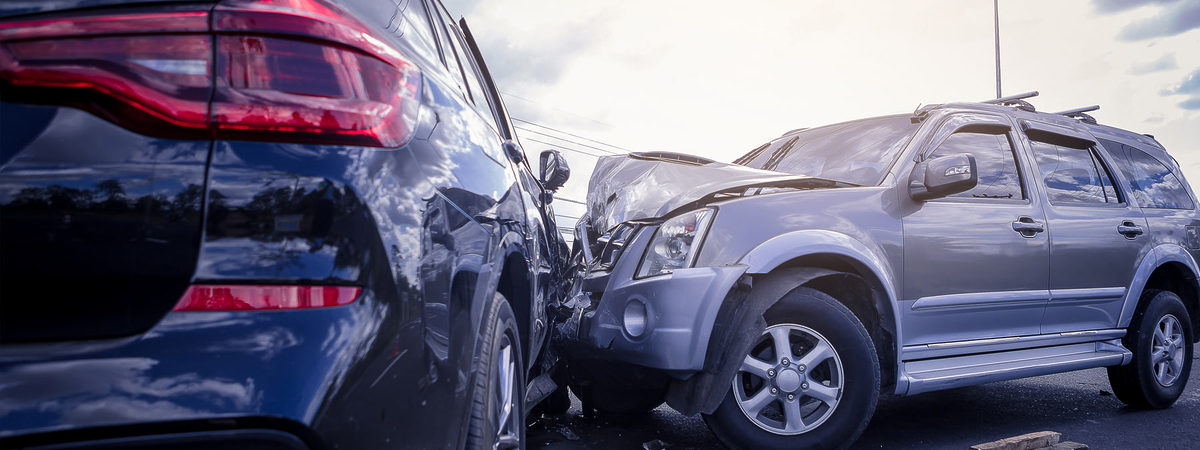
A serious crash in Ann Arbor can leave you hurt, worried about your future, and trying to make sense of what comes next. When someone else causes that harm, you may want to hold them accountable and pursue compensation for what you lost.
An Ann Arbor car accident lawyer helps protect your rights and guides your claim so you don’t have to deal with everything alone. Skilled legal support gives you room to focus on your health while someone handles the legal steps for you.
Key Takeaways: Ann Arbor Car Accidents
- Michigan’s no fault insurance system requires your own insurer to cover medical expenses and lost wages regardless of who caused the accident
- You have a three year statute of limitations to file a car accident lawsuit in Michigan, but waiting too long can weaken your case
- Serious injuries that meet Michigan’s threshold injury criteria may allow you to pursue compensation beyond no fault benefits
- Documenting the accident scene, injuries, and all related expenses immediately strengthens your potential claim
- An experienced attorney can work through Michigan’s insurance laws and fight for the highest possible compensation your evidence supports
What Should I Do Immediately After a Car Accident in Ann Arbor?
A crash often brings confusion, stress, and fast decisions in a short amount of time. Clear steps help protect your health, your safety, and your ability to bring a strong claim later. Each action you take creates a record of what happened and supports your case as it moves forward.
Call 911 and Report the Accident
Calling 911 brings police and medical teams to the scene. Officers create a police report that documents where the vehicles ended up, the visible damage, weather and road conditions, and statements from everyone involved. This report often becomes one of the first pieces of evidence reviewed by insurance companies.
Paramedics can assess injuries on the spot and recommend whether you need emergency medical care. Even if the crash seems minor, making the call protects both your health and your legal claim.
Exchange Information with Other Drivers
Share your name, address, phone number, and insurance details with the other driver. Write down their information and the license plate number. Clear records help avoid confusion later.
Document the Scene with Photos and Videos
Photos show the damage, weather conditions, skid marks, traffic signs, and anything else that may help reconstruct the crash. A video walk around the scene can also reveal details you might miss in the moment.
Seek Medical Attention Even if You Feel Fine
Some injuries stay hidden for hours or days. A medical exam creates a record of symptoms, pain levels, and any visible injuries. This helps connect your condition to the crash.
Notify Your Insurance Company
Your insurance must receive notice so your no fault benefits can start. Focus on providing basic facts. You don’t need to guess about anything you don’t know.
Avoid Admitting Fault or Making Recorded Statements
Crash victims sometimes feel pressure to apologize or explain what happened even before they understand the full picture. Let the investigation show who caused the crash. Recorded statements given too early often lead to misunderstandings or incorrect assumptions about the crash.
Understanding Michigan’s No Fault Insurance System
Michigan drivers rely on a no fault system that covers specific losses through their own insurance, no matter who caused the crash. This system helps injured people receive certain benefits quickly. It also controls when you can sue the at fault driver.
How No Fault Insurance Works in Michigan
Your own insurer pays benefits for medical care, lost wages, and replacement services. These payments come from your Personal Injury Protection coverage. You may still bring a lawsuit if you meet specific injury requirements.
Personal Injury Protection (PIP) Benefits
PIP provides several key benefits:
- Medical care: Pays for treatment related to your accident.
- Lost wages: Covers part of the income you miss while you recover.
- Replacement services: Pays someone to help with daily tasks if injuries prevent you from doing them.
- Attendant care: Supports those who need help with personal care after a crash.
Property Protection Insurance (PPI)
PPI covers damage you cause to someone else’s parked vehicle or certain property, up to the policy limit. This applies only to property, not injuries.
Residual Liability Insurance
Residual liability insurance applies when a lawsuit against you meets Michigan’s legal requirements. It protects you from paying out of pocket for certain claims.
When Can I Sue After a Car Accident in Michigan?
Lawsuits don’t apply to every crash because Michigan limits when someone can sue an at fault driver. Only people with certain injuries or situations may file a lawsuit for non-economic damages.
Michigan’s Threshold Injury Requirements
Your injuries must meet specific standards for a lawsuit. These standards help separate minor crashes from those with long term or life changing effects.
Serious Impairment of Body Function
Serious impairment means your injury affects your ability to lead your normal life. For example, someone with a back injury that limits walking, lifting, or working may meet this requirement.
Permanent Serious Disfigurement
Large scars, significant burns, or other lasting changes to appearance may allow someone to sue the at fault driver for non-economic damages.
Wrongful Death
Family members may file a wrongful death lawsuit if a loved one loses their life in a crash.
Exceptions to the No Fault System
Some situations fall outside no fault rules. For example, you may seek property damage from the at fault driver or pursue claims if the other driver was uninsured.
Common Causes of Car Accidents in Ann Arbor
Ann Arbor sees a mix of local traffic, campus travel, and visitors. Each creates different risks on city roads.

Distracted Driving
Phones, GPS screens, and conversations inside the car draw attention away from the road. Just a moment of distraction often leads to rear end collisions or missed traffic signals.
Speeding and Reckless Driving
Drivers who travel too fast for the conditions reduce their reaction time and create a greater impact during a crash. Higher speeds often cause more severe injuries.
Drunk and Impaired Driving
Alcohol and drugs slow reaction times and reduce judgment. Crashes involving impaired drivers often happen at night or during weekends.
Weather Related Accidents
Snow, ice, rain, and fog make stopping distances longer and visibility shorter. Ann Arbor winters bring conditions that lead to many slide offs and intersection crashes.
Intersection Collisions
Busy intersections often see red light violations or left turn crashes. Drivers may misjudge the speed or distance of an oncoming vehicle.
University of Michigan Campus Area Accidents
Campus areas bring heavy foot traffic, bikes, buses, and student drivers. Narrow streets and frequent stops increase the chance of collisions.
What Types of Compensation Can I Recover?
Car accident claims often involve many kinds of losses. Michigan law recognizes both economic and non-economic damages when a case meets the legal standards.
Economic Damages in Michigan Car Accident Cases
Economic damages cover measurable financial losses. These include medical bills, lost income, medication costs, rehabilitation services, and future medical needs. You may also claim out of pocket costs like transportation to appointments.
Non-Economic Damages for Pain and Suffering
Non-economic damages address the non-financial effects of a serious injury. These may include daily discomfort, changes to your activities, sleep issues, or strain on your relationships.
Limitations on Compensation Under Michigan Law
Michigan law limits certain claims, especially when they involve mini tort claims or uninsured drivers. Other limitations apply only in specific situations. An attorney reviews the facts to explain what rules apply.
How Long Do I Have to File a Car Accident Claim in Michigan?
You generally have three years from the date of the crash to file a lawsuit. Wrongful death cases also follow a three year limit.
Exceptions That May Extend or Shorten the Deadline
The deadline may pause or change in certain situations such as cases involving minors or when the at fault driver leaves the state. These exceptions require a careful look at the facts.
Why Acting Quickly Matters
Delays often make evidence harder to collect. Witnesses forget details, photos disappear, and damaged vehicles get repaired. Early action helps preserve details that show what happened.
What if I’m Partially at Fault for the Accident?
Sometimes, more than one driver shares responsibility for a crash. Michigan handles these situations through a comparative negligence system.
Michigan’s Modified Comparative Negligence Rule
This rule reduces your compensation if you share some fault. For example, someone who was 20 percent at fault may see a 20 percent reduction in their non-economic damages.
How Fault Affects Your Compensation
Your level of fault can limit certain types of compensation. Someone who is more than 50 percent at fault can’t recover non-economic damages.
Proving the Other Driver’s Negligence
Strong evidence shifts fault toward the driver who caused the crash. Photos, witness statements, medical records, and police reports help build the case.
Dealing With Insurance Companies After an Accident
Insurance companies often focus on reducing claim payments. They use different methods to create doubt about injuries or minimize losses.
Common Insurance Company Tactics
Some adjusters ask for unnecessary paperwork or request repeated statements. Others attempt to downplay injuries or offer low early settlements.
Why You Shouldn’t Accept the First Settlement Offer
Initial offers rarely cover the full impact of the crash. Early numbers often leave out long term medical bills or future wage losses.
How an Attorney Protects Your Rights
An attorney steps in to handle communications, review evidence, and prepare your claim. This prevents insurance companies from taking advantage of gaps in information.
How Our Firm Can Help
Goodman Acker PC supports injured people throughout Ann Arbor by handling every step of the legal process. We review the crash, gather evidence, and work with medical providers to understand the full effects of your injuries. Our experience with Michigan no fault law helps us identify the strongest path for your case.
We also communicate with insurance companies so you don’t deal with repeated calls or pressure to settle too early. Our team prepares each case with careful attention to detail, always aiming to present the clearest, strongest claim possible. When a lawsuit becomes necessary, we stand by you through every phase.
Frequently Asked Questions About Ann Arbor Car Accident Claims
What should I do if the other driver doesn’t have insurance?
Michigan still allows access to your own no fault benefits. You may also bring a lawsuit in certain situations. Uninsured motorist coverage on your policy may help cover losses if you purchased it.
Can I still receive compensation if I wasn’t wearing a seatbelt?
You may still pursue a claim. The insurance company may try to reduce your compensation by arguing that the lack of a seatbelt contributed to your injuries. Evidence helps show the true cause of the crash.
How much is my car accident case worth?
The value depends on your injuries, lost income, medical needs, and how the crash changed your daily life. A careful review of your medical records and other evidence helps estimate the range.
Will I have to go to court for my car accident claim?
Many cases settle before trial. Some cases go to court when the insurance company refuses to pay a reasonable amount for the losses your evidence shows.
How long does it take to settle a car accident case in Michigan?
The timeline depends on medical treatment, the investigation, and the insurance company’s response. Some cases resolve within months while others require more time.
Contact Our Car Accident Lawyers in Ann Arbor Now

Michigan law sets strict deadlines, and evidence often disappears fast. Quick action helps protect your rights and strengthens your claim. Goodman Acker PC brings years of experience to car accident cases in Ann Arbor, always placing your needs at the center of our work.

LEGALLY REVIEWED BY BARRY J. GOODMAN
Barry J. Goodman has devoted his professional life to keeping courthouse doors open for victims seeking justice. Always a tireless advocate for his own clients, Goodman sees his responsibility as a Detroit personal injury attorney in a broader sense as well. [ Attorney Bio ]


ABOUT GOODMAN ACKER
Why Choose Us