
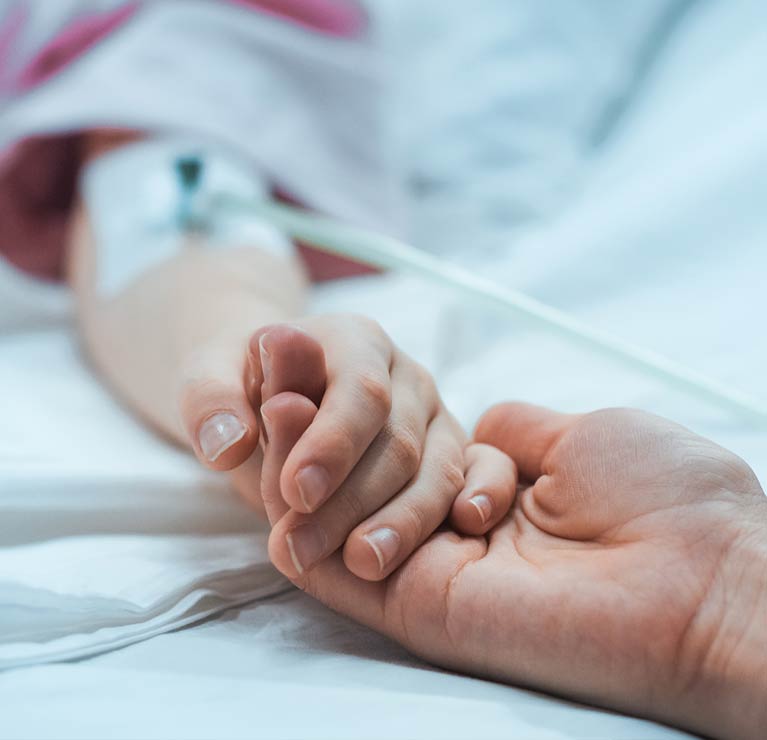
Losing someone you love because of another person’s carelessness is a grief no family should have to carry. While you mourn, you should not also have to face insurers, court filings, and deadlines alone.
Goodman Acker, P.C. represents families in Detroit and across Wayne County who have lost a loved one in a car crash, truck collision, fall, or other preventable accident.
As a Detroit wrongful death lawyer team, we guide families through Michigan’s Wrongful Death Act, from opening the estate to pursuing accountability from those responsible.
When your family is ready, contact Goodman Acker to talk with our team about what happened and what options Michigan law provides.
How Goodman Acker Supports Grieving Families

Goodman Acker, P.C. represents families across Detroit and metro Detroit after the loss of a loved one. From our Southfield office, our team handles the legal work so families can focus on one another.
Our work on a Detroit wrongful death case typically includes:
- Helping the family open the estate and appoint a personal representative
- Investigating the cause of death and preserving key evidence
- Pursuing no-fault survivor’s loss benefits when a motor vehicle was involved
- Documenting the full value of the family’s loss, including companionship and support
- Seeking court approval of any settlement and its distribution
Every case depends on its facts, and no lawyer can promise a particular outcome. What we can offer is steady, compassionate representation focused on accountability for the people responsible.
When your family is ready to talk, contact Goodman Acker to speak with our team.
Who Can File a Wrongful Death Lawsuit in Michigan?
In Michigan, only the personal representative of the deceased person’s estate can file a wrongful death lawsuit. Under MCL 600.2922, the personal representative brings the claim on behalf of the family members and others the law allows to share in any recovery.
Becoming the Personal Representative
A personal representative is appointed by the probate court in the county where the person lived, which for Detroit residents is the Wayne County Probate Court.
A surviving spouse, an adult child, or another family member often serves in this role, and the court issues letters of authority that allow the representative to act for the estate.
Family Members Who May Share in a Recovery
The family members who may share in a Michigan wrongful death recovery include:
- The surviving spouse
- Children and other descendants
- Parents and grandparents
- Brothers and sisters
- Children of the deceased person’s spouse
- Others named in the deceased person’s will
Being on this list does not mean each person receives an equal share. The court decides how the recovery is divided based on each person’s loss.
Who Can Be Held Responsible for a Wrongful Death in Detroit?
A Michigan wrongful death claim can name every person or business whose negligence contributed to the death, not only the person most directly involved. Each responsible party may carry separate insurance, which can affect how much of the family’s loss can be recovered.
Depending on the facts, responsible parties can include a negligent driver, the owner of the vehicle under MCL 257.401, an employer whose worker caused the harm while on the job, a property owner, or the manufacturer of a defective product.
When a truck is involved, the motor carrier and the companies that loaded or maintained it may share responsibility.
Claims against a government agency follow stricter rules. A death caused by a dangerous road defect generally requires written notice to the agency within 120 days under MCL 691.1404, while a crash involving a government-owned vehicle falls under a separate exception to governmental immunity.
What Damages Can a Family Recover in a Michigan Wrongful Death Case?
A Michigan wrongful death claim can recover the financial and personal losses the death caused, along with certain losses the deceased person suffered before death. The main categories are summarized below:
| Category | What it can include |
|---|---|
| Medical and final expenses | Medical, hospital, funeral, and burial costs |
| The deceased person’s suffering | Conscious pain and suffering experienced before death |
| Loss of financial support | The income and support the person would have provided |
| Loss of services and gifts | Household help, care, and gifts the person would have given |
| Loss of society and companionship | The love, guidance, and companionship family members lost |
The value of each category depends on the person’s life, relationships, and circumstances. Documenting who the person was, not only what they earned, is an important part of these cases.
Proving Lost Financial Support
Lost financial support is usually measured from the person’s earnings history, benefits, and expected working years. Pay stubs, tax returns, and employment records help establish what the family would have received, and an economist may project those figures into the future.
Household services the person provided, such as childcare, transportation, or home repairs, can be documented the same way.
Showing the Loss of Companionship
Loss of society and companionship is proven through the people who knew the person best. Family members, friends, and coworkers can describe the role the person played in daily life, from caring for children to sharing traditions and offering guidance.
Photos, letters, and family records can also help a court understand the relationship that was lost.
Evidence of Conscious Pain and Suffering
Damages for the person’s own suffering require evidence that they were conscious after the injury. Emergency medical records, hospital notes, and accounts from people at the scene often show whether, and for how long, the person was aware before death.

How Is a Wrongful Death Settlement Divided in Michigan?
A Michigan wrongful death settlement or verdict generally requires court approval before the proceeds are distributed. If eligible family members agree on the division and Michigan law allows the agreement, the court can approve that allocation.
Why Court Approval Matters
Court approval protects family members who may not be involved in the day-to-day handling of the case, such as minor children or relatives living out of state. It also gives the family a clear, final resolution of how the recovery is shared.
What Is the Deadline for a Wrongful Death Claim in Michigan?
For most wrongful death claims arising from accidents or ordinary negligence, Michigan’s three-year personal injury statute of limitations applies. Different deadlines may apply to other claims, including those involving medical malpractice.
Why Acting Early Still Matters
Even when the filing deadline is extended, evidence does not wait. Video is overwritten, vehicles are repaired or salvaged, and witnesses become harder to find, so investigating promptly helps protect the claim.
Wrongful Death After a Detroit Car or Truck Crash
When a person dies in a Michigan motor vehicle crash, the death itself satisfies the no-fault threshold for a claim against the at-fault driver under MCL 500.3135. Eligible dependents may also be entitled to Michigan no-fault survivor’s loss benefits.
No-Fault Survivor’s Loss Benefits
Michigan no-fault insurance can pay survivor’s loss benefits to dependents of a person killed in a crash under MCL 500.3108.
These benefits replace certain financial support the deceased would have provided, subject to a monthly maximum, and are available only during the first three years after the date of the accident.
Truck and Commercial Vehicle Deaths
Fatal truck crashes often involve the driver, the motor carrier, and companies that loaded or maintained the truck. Federal trucking records, such as electronic logging data and maintenance files, can be critical evidence and should be preserved quickly.
Funeral and Burial Expenses Under No-Fault
When a person dies in a Michigan motor vehicle crash, no-fault PIP can pay funeral and burial expenses as an allowable expense, in an amount set by the policy within the range the no-fault act allows.
Final expenses beyond what PIP pays can be pursued through the wrongful death claim against the at-fault party.

Other Detroit Accidents That Lead to Wrongful Death Claims
Wrongful death claims arise from many kinds of preventable accidents beyond motor vehicle crashes. Each one follows its own rules about who is responsible and what must be proven.
Fatal Falls and Unsafe Property
When a person dies after a fall on unsafe property, the claim follows Michigan premises liability law. Liability can depend on who possessed and controlled the property, the dangerous condition involved, and what the responsible party knew or should have known about it.
Pedestrian and Bicycle Deaths
Pedestrians and cyclists killed by drivers in Detroit are covered by the same wrongful death statute. These cases often involve no-fault survivor’s loss benefits as well as a claim against the driver.
When a Crime Was Also Involved
A death caused by drunk driving or reckless conduct may lead to criminal charges. The family’s civil wrongful death claim is separate from the criminal case and can proceed whether or not a conviction occurs.
What Steps Can a Family Take After a Fatal Accident?
Families often find it helpful to focus on a few practical steps while they grieve. Common first steps include:
- Request the police or incident report to learn the basic facts and the parties involved.
- Keep important records, such as medical bills, funeral receipts, and pay stubs or tax returns.
- Avoid recorded statements to the responsible party’s insurer until the family understands its rights.
- Open the estate in probate court when the family is ready, so a personal representative can act.
- Talk with a wrongful death attorney about deadlines and evidence before signing any release.
These steps can be taken at the family’s own pace. A lawyer can handle many of them so the family is not carrying every task alone.
FAQs for a Detroit Wrongful Death Lawyer
Can parents bring a wrongful death claim for an adult child in Michigan?
Parents can share in a Michigan wrongful death recovery for the death of an adult child, but the lawsuit itself must be filed by the personal representative of the child’s estate. A parent can serve as personal representative if appointed by the probate court.
Can an unmarried partner recover in a Michigan wrongful death case?
An unmarried partner is not among the family members listed in Michigan’s wrongful death statute. A partner who is named in the deceased person’s will, however, may share in the recovery as a person the will designates.
Do we need to open an estate if our loved one had no will?
A Michigan wrongful death claim requires a personal representative even when the person died without a will. The probate court can appoint one through an estate proceeding, which is often a simple process when the estate’s main purpose is the wrongful death claim.
What if the person who caused the death has little insurance?
When the at-fault party in a Michigan wrongful death case has limited insurance, other sources may be available. These can include the at-fault party’s employer, a vehicle owner, a business that contributed to the harm, or underinsured motorist coverage on the family’s own auto policy.
How long does a wrongful death case take in Michigan?
A Michigan wrongful death case can take several months to more than a year, depending on the investigation, the number of parties, and whether a lawsuit is filed. The court approval process for any settlement also adds time before funds are distributed.
Talk to a Detroit Wrongful Death Lawyer About Your Family’s Options
No legal claim can make up for the loss of someone you love. Holding the responsible party accountable can, however, help provide your family with stability and answers as you move forward.
Goodman Acker represents grieving families throughout Detroit and Wayne County. When you are ready, contact our team to talk about your loved one and how we can help.
Goodman Acker P.C.
Serving Detroit from Our Southfield Headquarters
Two Towne Square, Suite 444 Southfield, MI 48076
Phone: 248-861-8100

LEGALLY REVIEWED BY BARRY J. GOODMAN
Barry J. Goodman has devoted his professional life to keeping courthouse doors open for victims seeking justice. Always a tireless advocate for his own clients, Goodman sees his responsibility as a Detroit personal injury attorney in a broader sense as well. [ Attorney Bio ]


GOODMAN ACKER
Meet our Personal Injury Attorneys
Hiring Goodman Acker as Your Trusted Detroit Wrongful Death Lawyers
What Do We Want as Your Attorneys?
For a 100% free, no-obligation consultation, contact our Detroit wrongful death lawyers at Goodman Acker by calling 1-800-TRUSTED, chatting online, or by filling out our online contact form.