
After a motorcycle crash, your attention should be on your recovery rather than Michigan’s complicated insurance rules. Goodman Acker, P.C. represents riders and passengers injured in motorcycle crashes throughout Detroit, Wayne County, and metro Detroit.
As a Detroit motorcycle accident lawyer team, we identify which insurer should pay PIP benefits and pursue compensation from the at-fault driver when Michigan law allows it.
Motorcycle claims follow different no-fault rules than ordinary car accident claims, so identifying the right insurance coverage early can matter. If you were hurt in a Detroit motorcycle crash, contact Goodman Acker to discuss what happened and which claims may apply.
How Goodman Acker Helps Detroit Riders

Motorcycle accident claims can involve different insurance rules than other motor vehicle cases, especially when PIP benefits are involved. Goodman Acker, P.C. represents injured riders and passengers throughout Detroit and metro Detroit from our Southfield office.
Our work on a Detroit motorcycle accident case may include:
- Identifying the insurers in Michigan’s motorcycle PIP priority order and giving timely notice
- Pursuing additional PIP benefits when coverage from a higher-priority insurer is exhausted
- Gathering video, witness statements, and physical evidence showing how the crash occurred
- Documenting ongoing medical needs before settlement discussions begin
- Pursuing the at-fault driver for pain and suffering and any recoverable excess economic losses
Every case depends on its own facts, and no lawyer can promise a particular result. What we can offer is careful attention to the insurance rules that often decide how much help a rider receives.
If you were injured in a motorcycle crash in Detroit, contact Goodman Acker to discuss your case with our team.
Who Pays a Motorcyclist’s Medical Bills After a Detroit Crash?
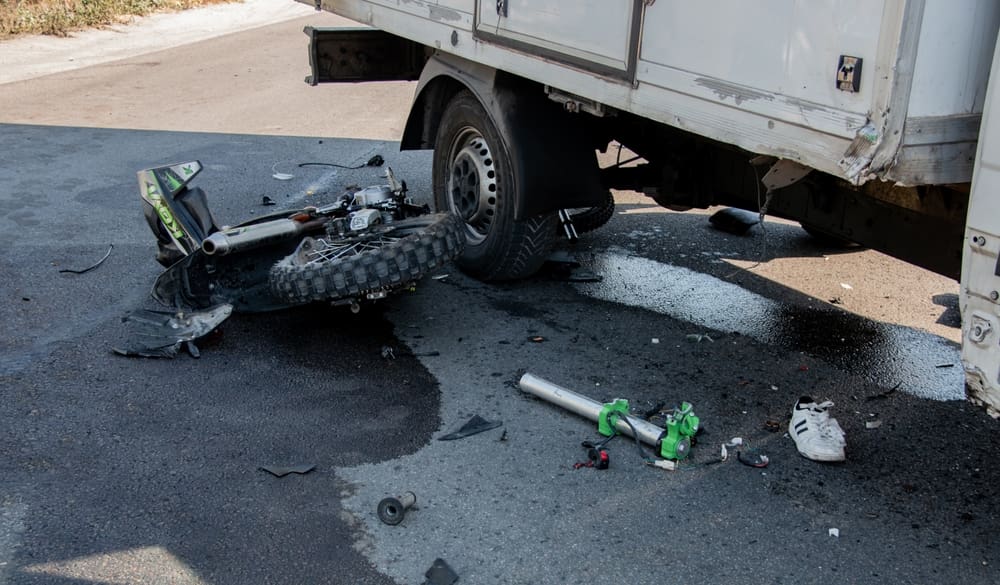
When a motorcycle crash involves a car or truck, Michigan law sends the injured rider’s personal injury protection (PIP) claim to a specific order of insurers. That order, set by MCL 500.3114, starts with the insurers connected to the motor vehicle, not the motorcycle.
| Priority | Insurer that pays PIP benefits |
|---|---|
| First | The insurer of the owner or registrant of the motor vehicle involved |
| Second | The insurer of the driver of the motor vehicle involved |
| Third | The auto insurer of the motorcycle operator |
| Fourth | The auto insurer of the motorcycle’s owner or registrant |
| If none apply | The Michigan Assigned Claims Plan, where medical benefits are generally capped at $250,000 |
Because each auto policy now carries its own PIP limit, the first insurer’s coverage may run out quickly.
The Michigan Court of Appeals has held that an injured motorcyclist can move down this list and claim additional benefits from a lower-priority policy once a higher-priority insurer’s limit is exhausted.
Does Your Motorcycle Insurance Include PIP?
Michigan motorcycle insurance policies are not required to include PIP coverage. Riders can buy optional first-party medical coverage on a motorcycle policy, but the priority rules above control who pays PIP when a motor vehicle is involved.
What If No Car Was Involved?
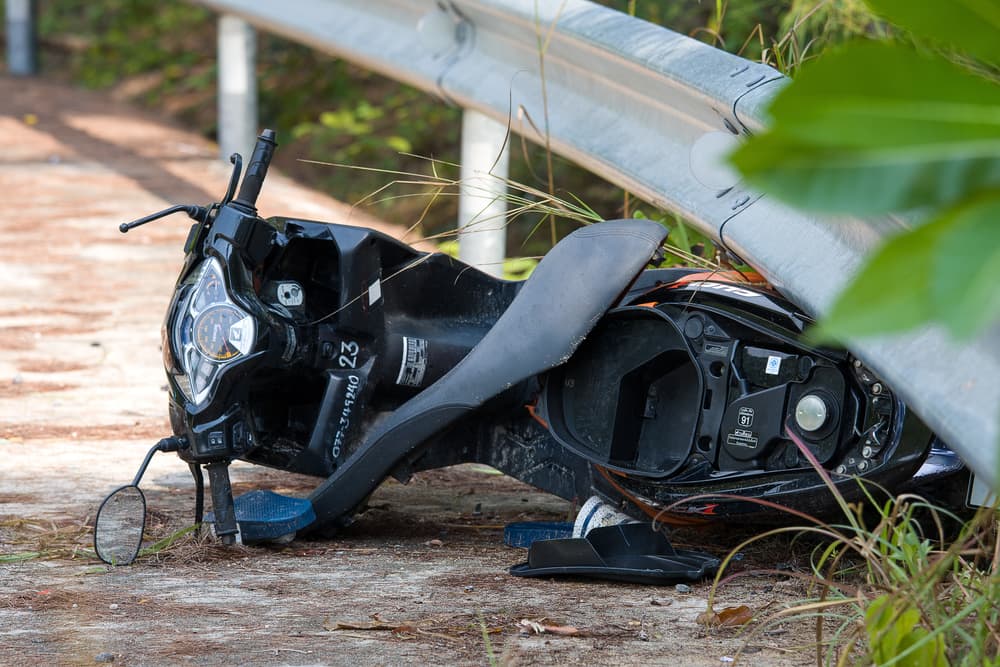
A single-motorcycle crash caused by a pothole, gravel, or a sudden road hazard generally does not trigger no-fault PIP benefits.
In those cases, recovery depends on health insurance, any medical coverage on the motorcycle policy, and any claim against a party responsible for the hazard.
When Can a Motorcyclist Sue the Driver Who Caused the Crash?
An injured motorcyclist can sue the at-fault driver for pain and suffering when the crash causes death, serious impairment of body function, or permanent serious disfigurement under MCL 500.3135.
Serious motorcycle injuries often meet that threshold because riders have so little protection in a collision.
Recovering Losses Beyond PIP
A rider can also pursue the at-fault driver for economic losses that PIP does not cover, including medical expenses above the applicable PIP limit and wage loss beyond what PIP pays.
With so many drivers now carrying limited PIP coverage, this claim is often a major part of a motorcycle case.
Common Causes of Detroit Motorcycle Crashes
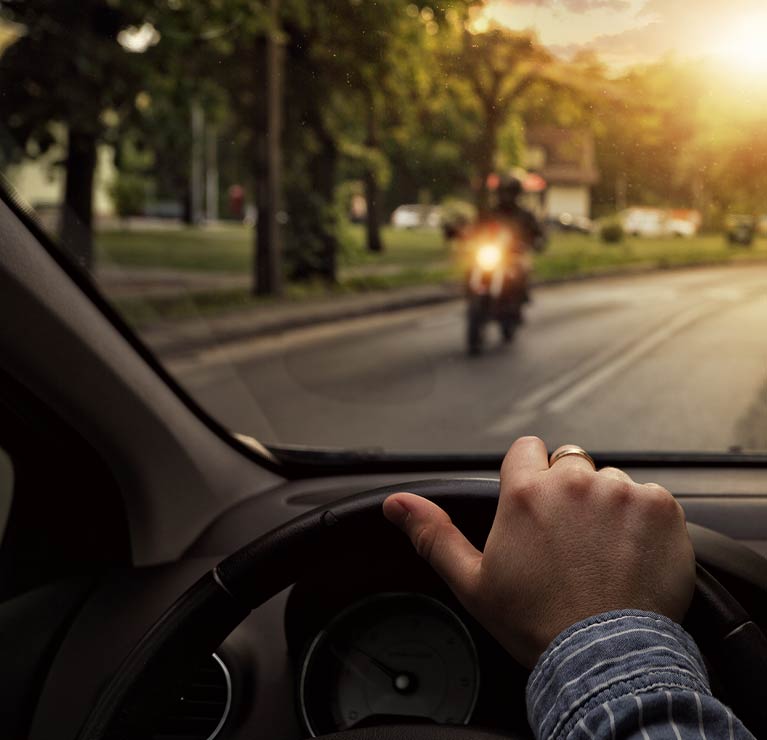
Many motorcycle crashes happen because a driver failed to see a rider who was there all along. Detroit riders are often hurt in these situations:
- Left-turn crashes, when a driver turns across the path of an oncoming motorcycle at an intersection
- Unsafe lane changes, when a driver merges into a lane without checking for a motorcycle in the blind spot
- Dooring, when a parked driver or passenger opens a door into a rider’s path
- Rear-end collisions, when a following driver does not leave enough room for a motorcycle to stop
- Road hazards, such as potholes, uneven pavement, and loose gravel that can throw a rider off balance
Witness accounts, traffic video, and the damage to both vehicles often show what the driver should have seen. Gathering that evidence early helps answer the common insurer argument that the rider “came out of nowhere.”
Lane Splitting in Michigan
Michigan law does not allow motorcycles to ride between lanes of slow or stopped traffic. If a crash happens while a rider is lane splitting, an insurer will likely argue the rider shares fault, which can reduce the damages recovered.
Does Michigan Require Motorcycle Helmets?
Michigan requires riders under 21 to wear a helmet.
Under MCL 257.658, a rider 21 or older may ride without one only if the rider has held a motorcycle endorsement for at least two years or passed an approved motorcycle safety course, and carries at least $20,000 in first-party medical coverage.
Can Not Wearing a Helmet Affect a Claim?
Riding without a helmet does not take away PIP benefits that are otherwise owed.
In a claim against the at-fault driver, however, the driver’s insurer may argue that a helmet would have prevented or reduced a head injury, so medical evidence about how the injury happened becomes important.
Serious Injuries in Motorcycle Crashes
Motorcycle crashes often cause injuries that require long-term care and change how a person works and lives. Understanding the full scope of those injuries is essential before resolving any claim.
Brain and Spinal Cord Injuries
Traumatic brain injuries and spinal cord damage can affect memory, mobility, and independence for years. These injuries often require ongoing therapy, home modifications, and attendant care, which makes accurate planning for future costs essential.
Fractures, Amputations, and Road Rash
Broken bones, crushed limbs, and severe skin injuries are common when a rider is thrown from a motorcycle. Some lead to surgeries, permanent scarring, or amputation, which can support a claim for permanent serious disfigurement.
What Steps Protect a Motorcycle Claim After a Detroit Crash?
The steps taken in the days after a motorcycle crash can protect both PIP benefits and the claim against the driver. Many riders find this sequence helpful:
- Get medical care right away, even for injuries that seem minor, so records connect every injury to the crash.
- Report the crash to police and request the crash report number for the claim.
- Identify the vehicle and driver involved, including the insurance information needed to start the PIP priority analysis.
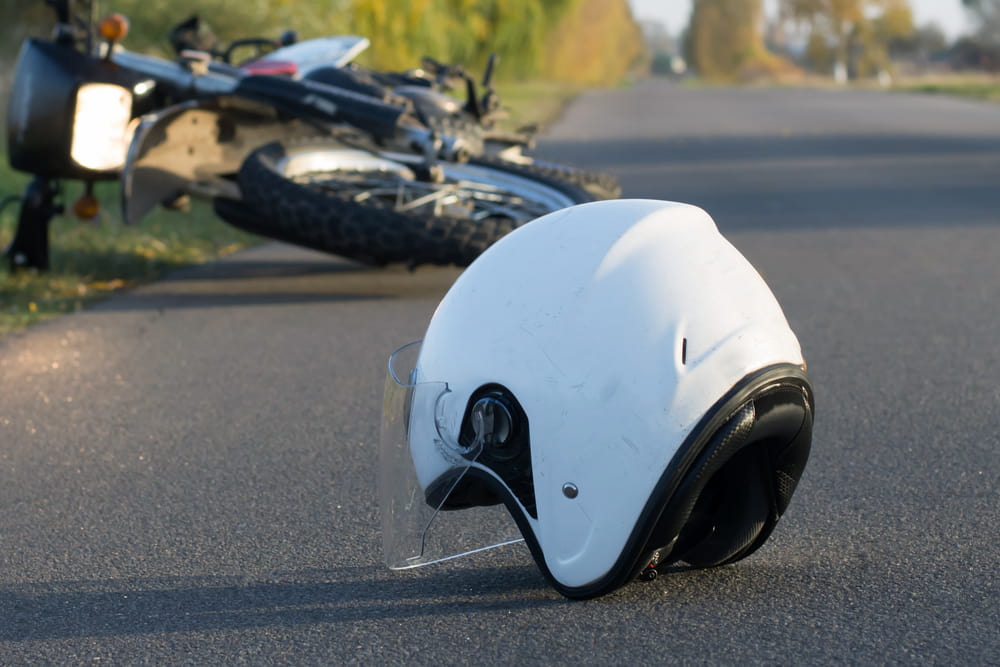
- Preserve the motorcycle and gear, since the bike, helmet, and riding clothes can show how the crash happened.
- Give written notice to the responsible insurer within one year, and avoid recorded statements before understanding your injuries.
Each step supports a different part of the case. Missing one can make proof harder, but it rarely ends a claim on its own.
What Compensation Can a Detroit Motorcycle Claim Include?
A Detroit motorcycle claim can include PIP benefits from the insurer in the priority order and damages from the at-fault driver. The two sources work together, and the right mix depends on the injuries and the coverage involved.
PIP Benefits
PIP can cover reasonable medical expenses up to the applicable policy limit, 85% of lost wages for up to three years subject to a monthly cap, replacement services, and medical mileage. These benefits are paid regardless of who caused the crash.
Damages From the At-Fault Driver
Once the tort threshold is met, the driver can be held responsible for pain and suffering, loss of enjoyment of life, and emotional distress. The claim can also include economic losses beyond PIP, such as future medical costs above the policy limit and reduced earning capacity.
How Does Fault Affect a Detroit Motorcycle Claim?
Michigan reduces a rider’s damages by the rider’s share of fault, and a rider found more than 50% at fault cannot recover noneconomic damages such as pain and suffering under MCL 600.2959. PIP benefits, by contrast, are owed regardless of fault.
Insurers frequently raise speed, lane position, and visibility in motorcycle cases. Physical evidence and reconstruction often provide a more reliable picture than a driver’s account of what happened.
How Long Do You Have to File a Motorcycle Accident Claim?
A Michigan motorcycle accident injury lawsuit must generally be filed within three years of the crash under MCL 600.5805. Written notice of a PIP claim must reach the responsible insurer within one year under MCL 500.3145, so identifying the right insurer in the priority order early matters.
FAQs for a Detroit Motorcycle Accident Lawyer
Can a motorcycle passenger get no-fault benefits in Michigan?
A passenger injured on a motorcycle in a crash involving a car or truck follows the same Michigan priority order as the operator. The insurers of the motor vehicle’s owner and driver are first in line, followed by auto policies connected to the motorcycle’s operator and owner.
What if the driver who hit my motorcycle had no insurance?
When the motor vehicle involved in a Michigan motorcycle crash has no insurance, the PIP claim moves to the next insurer in the priority order, such as the rider’s own auto policy.
Uninsured motorist coverage on the rider’s policies may also apply to injury damages, depending on the policy terms.
Do I need to own a car to get PIP benefits after a motorcycle crash?
A Michigan motorcyclist does not need to own a car to receive PIP benefits after a crash with a motor vehicle. The insurers of the car or truck involved are first in the priority order, and the Michigan Assigned Claims Plan may apply when no other coverage exists.
Can I still recover if I was speeding when a driver turned in front of me?
A Michigan motorcyclist who was speeding can still recover from a driver who turned in front of the motorcycle, though damages may be reduced by the rider’s share of fault. A rider found more than 50% at fault loses the right to pain and suffering damages but keeps PIP benefits.
Does Michigan no-fault pay for my damaged motorcycle?
Michigan no-fault PIP does not pay for damage to a motorcycle, and property protection insurance generally does not cover motorcycles either.
Collision coverage on the motorcycle policy or a claim against the at-fault driver are the usual ways to recover repair or replacement costs.
Get Help From a Detroit Motorcycle Accident Lawyer After Your Crash
Recovering from a motorcycle crash takes time, and the insurance process should not slow your healing. A clear plan for your PIP claim and your claim against the driver can help you focus on recovery.
Goodman Acker represents injured riders throughout Detroit and Wayne County. Contact our team to talk through what happened and how we can help.
Goodman Acker P.C.
Serving Detroit from Our Southfield Headquarters
Two Towne Square, Suite 444 Southfield, MI 48076
Phone: 248-861-8100

LEGALLY REVIEWED BY BARRY J. GOODMAN
Barry J. Goodman has devoted his professional life to keeping courthouse doors open for victims seeking justice. Always a tireless advocate for his own clients, Goodman sees his responsibility as a Detroit personal injury attorney in a broader sense as well. [ Attorney Bio ]


GOODMAN ACKER
Meet our Personal Injury Attorneys