

When someone else’s negligence causes your injury in Southfield, Michigan, the law lets you recover compensation for your medical bills, lost income, and pain, and Goodman Acker handles those claims. Many people are not sure what kind of case they have or what to do next, and that is exactly what the first call is for.
Injuries in Southfield happen in many places. Parking lots, office buildings, hospitals, and busy roads all carry risks. When someone else causes the harm, the law allows you to take action, but only if you act in time.
A Southfield personal injury lawyer at Goodman Acker helps you understand what your case is really worth, who may be responsible, and what steps come next. The first meeting is free, and you do not need to have everything figured out before you call.
What Makes a Viable Personal Injury Claim in Michigan
Every personal injury case rests on four elements. A negligent party owed you a duty of care. They breached that duty through action or inaction. That breach directly caused your injury. And the injury produced measurable damage. If any element is missing or hard to prove, the case strategy adjusts accordingly. If all four are solid, the path to full compensation becomes much clearer.
 Michigan follows a modified comparative fault system under MCL 600.2959. An injured person can recover damages only if they are 50% or less at fault. If you are partly responsible, your compensation is reduced by your percentage of fault.
For example, if you are 30% at fault and your damages are $150,000, your recovery would be reduced to $105,000. Insurance companies often try to increase your fault percentage to lower payouts, so strong early evidence is important.
Damages in Michigan personal injury cases fall into two broad categories. Economic damages include medical bills, future treatment costs, lost wages, and reduced earning capacity. Non-economic damages cover pain and suffering, loss of consortium (the harm an injury does to your relationship with a spouse), and the impact on your ability to carry out normal daily activities.
Michigan does not cap non-economic damages in most personal injury cases, though medical malpractice has its own caps under MCL 600.1483, and those cap amounts are adjusted periodically for inflation. Your attorney calculates both categories in full and confirms the current malpractice cap before any negotiation begins.
In practice, proving these elements is not always straightforward. Insurance companies rarely agree on fault at face value. They often dispute how the injury happened, whether it was preventable, or whether a pre-existing condition played a role. That is why early investigation matters.
Surveillance footage, witness statements, and incident reports can change the direction of a case entirely. Even small inconsistencies in documentation can be used to challenge liability later. A strong claim is not just about what happened, but about how well it is proven with evidence that holds up under scrutiny. This is where detailed case preparation becomes critical from the very beginning.
Different injuries need different legal approaches. Some cases focus on property safety. Others depend on medical proof or product testing. Below are the main types of cases we handle in Southfield.

The Kinds of Cases Goodman Acker Handles in Southfield
Many personal injury cases do not fit neatly into a single category. A slip and fall can involve both premises liability and product issues if faulty flooring or equipment contributed to the accident.
A car accident may also raise questions about road maintenance or commercial vehicle responsibility. Identifying every possible source of liability is important because it can expand the available compensation. Our review process focuses on uncovering all contributing factors, not just the most obvious one.
Premises Liability and Property Hazards
Michigan premises liability law is based primarily on common law, which sets different duties depending on whether you were an invitee, licensee, or trespasser. Invitees, such as customers and tenants, are owed the highest duty of care. Property owners must take reasonable steps to keep their premises safe and fix or warn about hazards they know about or should reasonably discover.
Common scenarios include wet floors without adequate warning, broken pavement or uneven walkways, inadequate lighting in stairwells and parking lots, and ice accumulation on walkways that a property manager had time to address.
One element people often underestimate: whether you were an invitee, licensee, or trespasser at the time of injury determines the standard of care the property owner owed you. Invitees, meaning customers, tenants, and guests, receive the highest duty of care. Our attorneys examine the property records, maintenance logs, and incident history to establish what the owner knew and when they knew it.
Dog Bites and Animal Attacks
Michigan imposes strict liability on dog owners under MCL 287.351. If a dog bites someone who was lawfully present on public or private property and who did not provoke the animal, the owner is liable for damages. The injured person does not need to prove the owner was negligent or that the dog had a history of aggression. The bite and the lawful presence are enough to trigger liability.
Injuries from dog attacks are frequently more serious than they appear in the immediate aftermath. Puncture wounds carry a significant infection risk. Facial bites can produce permanent scarring. Attacks on children often result in lasting psychological trauma on top of the physical injuries.
Our personal injury attorneys document all injury layers, including psychiatric care and future reconstructive treatment, to ensure that nothing gets left out of the damages calculation.
Medical Malpractice
Medical malpractice claims in Michigan are governed by strict procedural rules. In most cases, a lawsuit must be filed within two years of the alleged malpractice, or within six months of discovering the injury, but no later than six years from the date of the act under MCL 600.5838a.
Before filing suit, the injured person must serve a Notice of Intent on each defendant at least 182 days in advance under MCL 600.2912b and include an Affidavit of Merit under MCL 600.2912d, a sworn statement from a qualified medical professional confirming the claim has merit.
These procedural requirements eliminate poorly prepared claims quickly, and they mean that medical malpractice cases require attorneys who handle them regularly. Our firm brings in the right medical specialists, reviews the full standard-of-care record, and meets every procedural threshold before filing. Surgical errors, misdiagnosis, medication mistakes, and birth injuries are among the matters we handle.
Product Liability
Product liability cases in Michigan generally must be filed within three years under MCL 600.5805. These cases may involve manufacturing defects, design defects, or failure to warn. Because defendants are often large corporations with strong defense teams, early investigation with engineering and product specialists is critical.
Not sure which of these fits your situation? That is what the free review is for. Call Goodman Acker, and we will tell you what kind of case you have.
How Michigan’s Legal Deadlines Work Against Waiting
Every injury case in Michigan has a time limit. Most personal injury cases must be filed within three years. Some cases are much shorter, especially when a government body is involved.
If you miss a deadline, the case usually ends completely, even if the injury is serious. Courts do not make exceptions in most situations.
There is also another issue. Evidence does not last long. Camera footage can be deleted in weeks. Witness memories fade. That is why early action matters.

Southfield’s Specific Injury Landscape
Southfield’s identity shapes its injury patterns. The city is a major employment hub with over 30,000 businesses and a dense concentration of healthcare and professional services. That means high foot traffic in office and medical complexes, where maintenance often falls behind visit volume. The Southfield Town Center towers attract thousands of daily visitors, and the parking structure network around them generates regular slip-and-fall and parking lot collision exposure.
The city also has a significant residential layer that interfaces with commercial zones. Sidewalks in established neighborhoods near 10 Mile and Lahser run adjacent to properties with decades-old pavement, and Oakland County winters accelerate the deterioration.
Ice and snow removal obligations fall on property owners under local ordinance, and failures during a Michigan January or February translate directly into fractures, spinal injuries, and head trauma for people who had no warning they were walking into a hazard.
What Goodman Acker Does From the First Call Forward
When you contact us, the first step is a factual review of what happened, who was involved, and what your injuries have cost you so far. No upfront fee. No obligation. If we take the case, we work on contingency, which means our fee comes from the recovery and nothing comes out of your pocket unless we win.

The investigation starts immediately. We preserve evidence before it disappears, identify all liable parties, and begin documenting your damages in full. Where liability is disputed, we work with reconstruction experts, premises safety specialists, and medical professionals who can explain exactly how the defendant’s conduct fell short of the required standard. We handle every communication with the opposing insurer so that nothing you say gets used to minimize your claim.
Settlement negotiations involve more than sending a demand letter. An insurer’s first offer rarely reflects the full value of a claim. Our lawyers know the internal benchmarks adjusters use to set reserves, and we know when moving toward litigation produces better outcomes. When a fair resolution is not possible outside of court, we take the case to trial.
Our Southfield personal injury attorneys have recovered results across every major practice area, including a $6.5 million medical malpractice verdict and a $2.1 million premises liability settlement, both in Oakland County. Those outcomes come from preparation, not luck.
Questions Southfield Injury Victims Actually Ask
How do I know if I have a strong personal injury case?
A strong case usually has three things: proof of what happened, clear evidence that someone else was responsible, and records of your injuries and losses. A lawyer can review these details and explain where your case stands.
The other party’s insurer contacted me before I had a lawyer. Should I have spoken to them?
A recorded statement to the opposing insurer before you have a lawyer can create problems that are hard to undo. Adjusters ask questions designed to lock in answers that minimize your claim. If you already gave one, tell your attorney right away. If you have not responded yet, wait until you have representation.
I was hurt at work. Can I still file a personal injury claim?
Often, yes. Workers’ compensation and personal injury are separate systems. If a third party (someone other than your employer) caused or contributed to your injury, you may be able to pursue both a workers’ comp claim and a civil lawsuit at once. The deadlines and rules differ, so an attorney tracks both and makes sure neither is missed.
My injury happened six months ago, and I have not contacted a lawyer yet. Is it too late?
Usually not. The three-year deadline under MCL 600.5805 gives most Michigan injury cases time. But some move faster: if a government entity contributed, a six-month notice requirement may already have passed, and medical malpractice runs on a separate clock. The sooner you consult an attorney, the more accurately you will know where your deadline stands.
How does Goodman Acker charge for personal injury cases?
We handle personal injury matters on a contingency fee basis. You pay no legal fees unless we recover compensation for you. There is no cost to schedule an initial consultation, and you will leave that meeting with a clear picture of what your case looks like and what your realistic options are.
Your Situation Has a Deadline. This Call Does Not.
Southfield personal injury attorneys at Goodman Acker have worked these cases from an office inside this community for decades. We know Oakland County courts. We know how local insurers defend these claims. And we know how to build cases that hold up when defendants push back.
If someone else’s negligence caused your injury, call 248-861-8100 to schedule your free case review today.

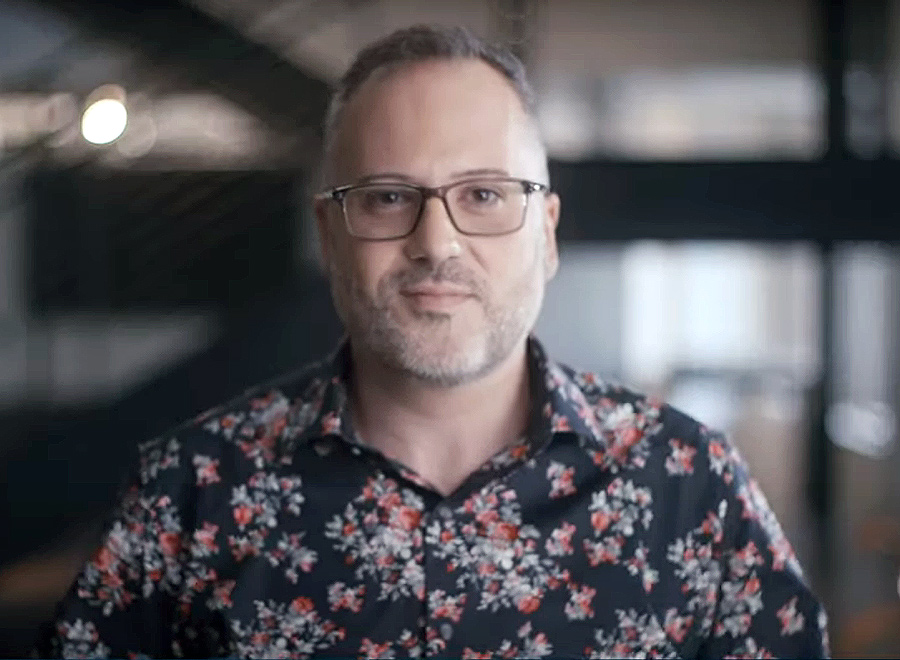
LEGALLY REVIEWED BY BARRY J. GOODMAN
Barry J. Goodman has devoted his professional life to keeping courthouse doors open for victims seeking justice. Always a tireless advocate for his own clients, Goodman sees his responsibility as a Detroit personal injury attorney in a broader sense as well. [ Attorney Bio ]

ABOUT GOODMAN ACKER
Why Choose Us