

- March 20, 2024
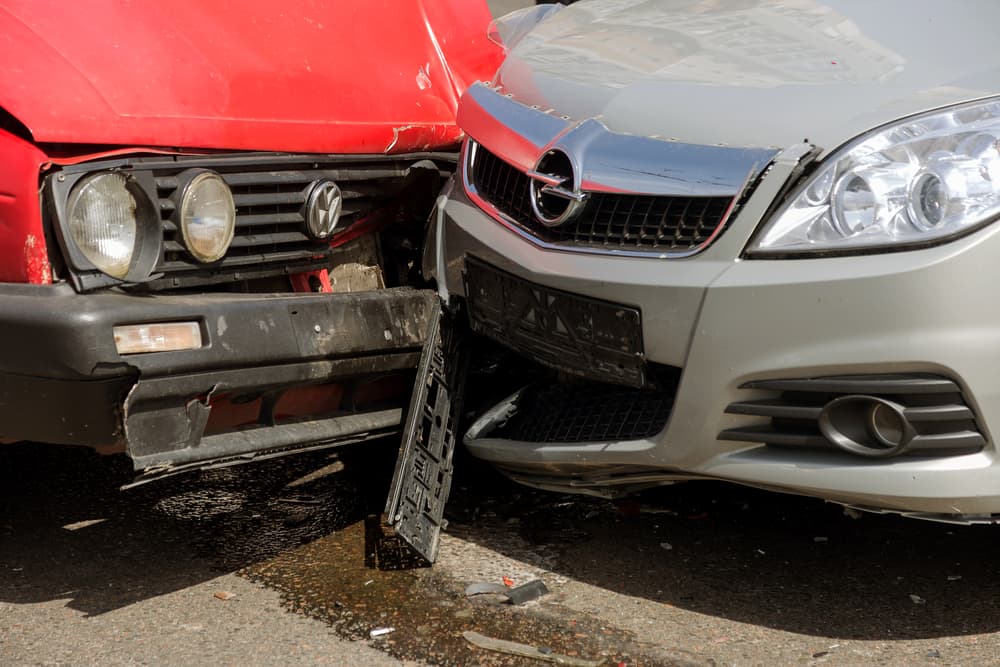 Michigan police report car accident requirements confuse many drivers, especially after minor collisions where damage seems minimal and no one appears injured. The question of whether to involve law enforcement often arises in the moments after a fender bender on I-75 or a parking lot collision in Southfield.
 Michigan law sets specific thresholds that determine when reporting is legally required, and those thresholds matter more than many drivers realize. For example, beyond legal compliance, a police report serves as a neutral third-party record that may significantly strengthen your claim if injuries or disputes emerge later.
Insurance adjusters rely heavily on official documentation when evaluating claims, and the absence of a report sometimes creates complications that are difficult to overcome.
Whether you recently left an accident scene wondering if you made the right call, or you want to understand Michigan's reporting framework before something happens, speaking with a car accident lawyer during a free case evaluation can help clarify your legal rights and options.
Contact us online, and let us safeguard your rights and future.
Key Takeaways for Michigan Police Report Car Accident Requirements
- Under MCL 257.622, law enforcement officers must complete a written crash report when a collision results in injury, death, or apparent property damage of $1,000 or more, meaning drivers must notify police when these thresholds are met.
- The UD-10 Traffic Crash Report that is completed by responding officers serves as an official record that includes driver information, witness statements, a crash diagram, and the officer's preliminary fault assessment.
- Delayed injuries like whiplash and soft tissue damage often appear 24 to 72 hours after a collision, making early police documentation valuable to Michigan car accident attorneys trying to establish an injury timeline.
- Modern vehicles frequently sustain hidden structural damage beneath bumper covers and body panels, meaning accidents that appear minor may actually exceed the $1,000 reporting threshold.
- Filing a report even when it is not strictly required creates a protective record if the other driver later alleges injuries or disputes fault.
When Does Michigan Law Require a Police Report?
Michigan's accident reporting requirements apply to specific situations, and the thresholds are lower than many drivers expect. MCL 257.622 establishes clear standards that determine when law enforcement must complete official documentation. The statute focuses on three primary factors: bodily harm, fatalities, and property damage that meets or exceeds a specific dollar amount.
Crash Report Checklist
- ✔
Injury or Death: Siempre requiere reporte si hay cualquier lesión. Incluye datos del conductor, observaciones del oficial y detalles del accidente para respaldar síntomas posteriores. - ✔
Property Damage ≥ $1,000: Se debe reportar cuando el daño alcanza el límite. Incluye descripción de daños, diagrama del choque e información del seguro. - ✔
Hit-and-Run: Obligatorio si un conductor huye. Se documentan testigos, detalles del vehículo e incidente para investigación y reclamos. - ✔
Minor Damage (< $1,000): Normalmente no se requiere reporte si no hay lesiones, pero sigue siendo recomendable documentarlo. - ✔
Parking Lot Accident: Depende del daño, lesiones y si el área es pública. El reporte varía según intervención policial. - ✔
No Police Response: Puede haber reportes limitados o tardíos. Aun así, cualquier registro oficial es útil. - ✔
Leaving Without Reporting: Riesgoso. Daños ocultos o lesiones tardías pueden afectar reclamos sin documentación. - ✔
Report Content: Puede incluir datos del conductor, seguros, diagramas, testigos y observaciones del oficial. - ✔
Why It Matters: Tener un reporte oficial fortalece reclamos de seguro y conecta lesiones o daños con el accidente.
The $1,000 Property Damage Threshold
Under Michigan law, officers must file a written report when property damage appears to exceed $1,000. This threshold applies to the apparent damage at the time of the accident, not the final repair estimate. Given modern vehicle repair costs, even minor-looking collisions frequently cross this line. A cracked bumper cover, damaged sensors, or misaligned panels often result in repair bills well above $1,000. Drivers who want an official report completed must contact law enforcement so an officer may respond and prepare the required documentation.
Mandatory Reporting for Injuries and Fatalities
Michigan law requires drivers to notify police immediately if a crash results in injury or death. This requirement applies regardless of how minor the injury seems at the scene. The law recognizes that some injuries are not immediately apparent, which is why the reporting obligation exists even when people feel fine initially.
Hit-and-Run Reporting Obligations
Michigan law also mandates reporting when a driver leaves the scene without exchanging information. If another driver flees after striking your vehicle, filing a police report creates an official record of the incident. This documentation becomes essential for insurance claims and any subsequent investigation.
What Information Does the UD-10 Traffic Crash Report Contain?
The UD-10 Traffic Crash Report is Michigan's standardized accident documentation form. Responding officers complete this report and submit it to the Michigan State Police. The document serves as the official record of the collision and contains information that both insurance companies and courts may reference.
The UD-10 captures several categories of information that affect how claims proceed. Each element contributes to a comprehensive picture of what happened.
A complete UD-10 report typically includes the following details:
- Driver identification, license numbers, and insurance information for all parties involved in the collision
- Contact information for witnesses who observed the accident
- A diagram showing vehicle positions, direction of travel, and point of impact
- Road and weather conditions at the time of the crash
- The responding officer's preliminary fault coding based on observations and statements
This information creates an unbiased record that neither party controls. Insurance adjusters reviewing claims often start with the UD-10 because it provides a neutral starting point for their evaluation.
How Does a Police Report Strengthen Your Injury Claim?
Many drivers view police reports as bureaucratic paperwork rather than strategic documentation. In reality, the report often plays a central role in claim negotiations and litigation. The value extends well beyond meeting legal requirements.
Anchoring Your Injury Timeline
Delayed symptoms are common after car accidents, particularly in rear-end collisions. Whiplash, soft tissue injuries, and even concussions may not produce noticeable symptoms until 24 to 72 hours after impact. When you seek medical treatment days later, insurance adjusters sometimes question whether your injuries actually resulted from the accident. A police report filed at the scene anchors the timeline and documents that a collision occurred. This connection between the accident and your later symptoms becomes harder to dispute when official documentation exists.
Providing Neutral Third-Party Evidence
Police officers who respond to accidents have no financial interest in the outcome of any insurance claim. Their observations and conclusions carry weight precisely because they come from a neutral source. When an officer documents that one driver ran a red light or failed to yield, that assessment influences how insurers evaluate fault. The UD-10's preliminary fault coding does not determine liability conclusively, but it often shapes early negotiations.
Protecting Against Counterclaims
Sometimes the other driver's story changes after leaving the scene. What seemed like a straightforward rear-end collision may become a disputed liability situation when the other party contacts their insurance company. A police report creates a contemporaneous record of what both drivers stated at the scene. This documentation helps protect you if the other driver later alleges that you caused the accident or fabricates injuries that were never mentioned to the responding officer.
What Happens If You Leave the Scene Without a Report?
Drivers sometimes leave accident scenes without calling police, especially when damage appears minor and both parties seem uninjured. While this decision does not necessarily violate the law if the collision genuinely falls below reporting thresholds, it may create complications later.
When Damage Exceeds Initial Estimates
Modern vehicles hide much of their structural integrity beneath plastic bumper covers and cosmetic panels. What looks like a minor scuff sometimes conceals frame damage, sensor malfunctions, or crumpled impact absorbers. When repair estimates come back at $3,000 or $4,000, the accident suddenly exceeds the reporting threshold that seemed irrelevant at the scene.
When Symptoms Appear Later
The adrenaline response after an accident masks pain signals that emerge hours or days later. A driver who felt fine at the scene may wake up the next morning with significant neck pain or headaches. Without a police report, connecting these symptoms to the collision becomes more challenging. Medical providers and insurance adjusters both pay attention to whether official documentation exists.
Contacting Police After Leaving the Scene
If police were not called to the scene and you later realize reporting may have been appropriate, you may contact the local law enforcement agency to ask whether a report may still be taken. Procedures vary by department, and some agencies may accept delayed complaints while others may not. A report filed after the fact may not carry the same weight as one completed at the scene, but it creates documentation that otherwise would not exist.
How Do You Obtain a Michigan Accident Report?
Once an officer files a UD-10 report, it becomes part of the Michigan State Police records system. Obtaining a copy of your report involves a straightforward request process, though timing and fees vary.
Reports are typically available within a few days to a few weeks after the accident, depending on the responding agency's processing time. You may request your report through the Michigan State Police online portal or directly from the local department that responded to the scene. A small fee usually applies.
Having your own copy of the report allows you to review what the officer documented and identify any inaccuracies that need correction. Insurance companies obtain their own copies, so reviewing the report before negotiations begin helps you understand what information the adjuster already has.
Does Filing a Report Affect Fault Determination?
The UD-10 includes a field where officers record their preliminary assessment of which driver contributed to the collision. This coding influences insurance evaluations, but it does not constitute a final legal determination of fault. Courts and insurance companies may reach different conclusions after reviewing all available evidence.
The Officer's Preliminary Assessment
Responding officers form opinions based on physical evidence, driver statements, witness accounts, and their training and experience. The preliminary fault coding reflects that assessment at the time of the report. Insurance companies often review this coding during their evaluation, but it does not determine liability and may be reconsidered based on additional evidence.
Disputing Inaccurate Reports
If you believe the officer's report contains errors or unfairly assigns fault, you have options. Many departments allow drivers to submit supplemental statements or request corrections for factual inaccuracies. More substantive disputes about fault determination may require evidence that contradicts the officer's conclusions. Photographs, witness statements, and expert analysis sometimes reveal facts that the initial report missed.
Contact us online, and let us safeguard your rights and future.
FAQs for Michigan Police Report Car Accident Requirements
Do parking lot accidents require police reports in Michigan?
Many parking lot accidents in areas open to public travel may still result in a police report if injury or significant property damage is involved. However, reporting requirements may vary depending on whether the location is considered open to public traffic. Contacting law enforcement when damage appears significant helps determine whether an official report is appropriate.
What if the other driver asks me not to call the police?
You have no obligation to honor that request, and doing so may put you at risk. The other driver's preference does not change Michigan's reporting requirements or your right to create official documentation. Agreeing to handle matters privately sometimes leads to complications when the other party's story changes or hidden damage emerges.
How quickly must I report an accident in Michigan?
Michigan law requires drivers to notify police immediately if a crash results in injury or death. For property-damage-only crashes, contacting law enforcement when damage appears significant helps determine whether an official report is required. Waiting reduces the report's evidentiary value and may raise questions about why you did not report sooner.
Does my insurance company automatically receive the police report?
Insurance companies typically obtain accident reports through their own channels once they learn a collision occurred. However, adjusters do not always have the report immediately, and you may receive settlement offers before a thorough review occurs. Obtaining your own copy allows you to verify that your insurer has accurate information.
What if the police refuse to respond to a minor accident?
In busy jurisdictions, officers sometimes decline to respond to accidents without injuries or significant damage. If police do not come to the scene, you may contact the local station to ask whether a report may still be completed. This documentation provides less evidentiary weight than an officer's on-scene observations but still creates an official record of the incident.
Let Goodman Acker Review Your Accident Documentation
Whether you filed a police report or left the scene uncertain about Michigan's requirements, the documentation surrounding your accident affects your ability to pursue compensation. Goodman Acker, P.C. offers complimentary consultations to help Michigan drivers understand their options and evaluate whether their accident documentation supports a strong claim.
Our attorneys work on a contingency fee basis, meaning you pay no fees unless we recover compensation for your claim. With offices in Southfield, Sterling Heights, and Grand Rapids, we serve clients throughout Michigan's Tri-County area and beyond.
If you have questions about Michigan police report car accident requirements or concerns about how your accident was documented, contact Goodman Acker at 1-800-TRUSTED. We are available 24/7 to review your situation and help protect your claim.