

- December 20, 2025
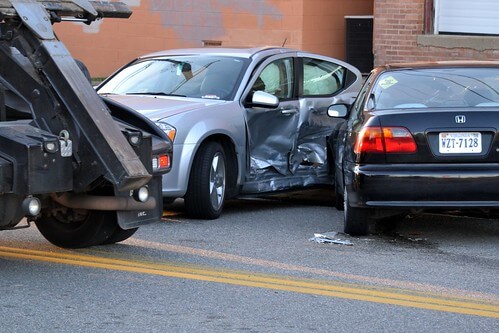
That insurance card in your glove box feels like a shield. You pay your premium every month, trusting that if a collision ever happens, you are protected. The crash itself is a moment of chaos, but the real shock often arrives in the quiet days that follow.
It comes during a phone call with an insurance adjuster who explains, with detached politeness, the vast difference between what you thought you bought and the reality of your PLPD insurance policy.
Suddenly, the shield you counted on reveals itself to be full of holes. You learn that while the other driver’s expenses are being discussed, the damage to your own car is your problem alone.
The tow yard fees, the rental car costs, and the repair estimates that climb into the thousands of dollars are all yours to bear. The realization sinks in that you have been paying for a policy that was designed to protect everyone except you from the financial consequences of an accident.
This is the moment when a simple car accident becomes a complex financial crisis. You followed the law and purchased the required coverage, but now you feel stranded by the very system meant to provide security.
The questions pile up faster than the bills. Sorting through the limitations of your own policy while trying to pursue a fair recovery from the at-fault party is a confusing and frustrating process. Finding clarity on your next steps is essential.
PLPD insurance facts and fallacies
- PLPD stands for Personal Liability and Property Damage. It is the absolute minimum auto insurance coverage required to legally drive in Michigan.
- This type of policy only covers damages and injuries you cause to other people. It provides no coverage for damage to your own vehicle.
- While PLPD satisfies the law, it leaves you financially exposed to covering your own vehicle repairs and other potential losses after an accident.
- Your Personal Injury Protection (PIP) medical coverage is a separate choice under Michigan's No-Fault system and is not technically part of a PLPD-only policy.
Breaking Down the Two Core Components of PLPD Insurance
PLPD is a shorthand term, not an official insurance product name. It simply refers to a policy that contains only the state-mandated liability coverages. Liability is a legal term for financial responsibility. If you are found at-fault for an accident, you are liable for the harm caused to others. PLPD is the insurance that addresses that responsibility.
What is personal liability? PL: covering injuries you cause
The PL in PLPD stands for Personal Liability, also known as Bodily Injury Liability. This is the portion of your policy that pays for the harm you cause to other people in an at-fault accident. It is not for your own injuries.
This coverage is intended to pay for the other person’s damages, such as their pain and suffering. For example, imagine you are driving on a rainy day and fail to stop in time at a red light, causing a T-bone collision in an intersection. The other driver suffers a broken arm and requires surgery.
Because you were at fault, your Personal Liability coverage would be the source of funds the injured driver would pursue for their pain, suffering, and excess medical bills not covered by their own PIP policy.
What is property damage? PD: Paying for property you damage
The PD refers to Property Damage. This coverage pays for the physical damage you cause to another person's property with your vehicle. Most of the time, this means paying to repair the other driver’s car.
It also covers damage to other types of property, such as a fence, mailbox, or light pole. In Michigan, this coverage also applies to damage you cause to other people's properly parked cars.
Using the same T-bone collision scenario, the other driver's car has a crushed door and a bent frame, costing $12,000 to repair. Your Property Damage coverage would pay for these repairs.
The default minimum limits required by Michigan law are set by the Department of Insurance and Financial Services (DIFS), though drivers can opt for lower limits.
The Major Gaps in a PLPD-Only Policy
The primary risk of carrying only PLPD insurance is what it omits. These policies are inexpensive because they transfer the financial risk for many common accident-related costs directly back to you.
Your own vehicle is unprotected
This is the most significant gap in PLPD coverage. If you cause an accident, are the victim of a hit-and-run, or are in a collision with an uninsured driver, a PLPD policy will pay nothing toward repairing or replacing your car. You would need a separate Collision coverage for that protection.
No coverage for non-collision events
PLPD provides no protection against events that do not involve a collision with another vehicle. This means you have no coverage for losses due to:
- Theft of your vehicle or vandalism.
- Fire, flood, or hail damage.
- Hitting a deer or other animal.
- A tree branch or other object falling on your car.
Protection for these events requires a separate Comprehensive coverage.
The misconception about medical bills and PIP
This is a common point of confusion in Michigan. The state’s No-Fault law requires all drivers to purchase Personal Injury Protection (PIP) coverage to pay for their own medical bills after an accident, regardless of who was at fault.
While you must have PIP, the coverage level you choose is a separate decision. A driver with a basic PLPD policy might have also chosen the lowest possible PIP medical option, which could leave them with huge medical costs after a serious injury.
The Real-World Financial Dangers of Minimum Coverage
Choosing the state minimum coverage may seem like a good way to save money on premiums, but it can lead to severe financial consequences after a crash. An accident can reveal just how little protection a basic policy provides.
The full cost of a total loss accident
If your car is totaled in an accident that you caused, your PLPD policy will not provide any money for its value. This leaves you in a difficult position. You are suddenly without transportation, and you must find a way to pay for a new vehicle out of pocket. If you had a loan on the totaled car, you are still legally required to make those payments, even though the car is gone.
Facing a lawsuit that exceeds your policy limits
If you cause an accident that results in very serious injuries, the state minimum liability limits might not be enough to cover the other party's damages. For example, if the person you injured requires multiple surgeries and misses a year of work, their damages could easily exceed $100,000.
If your PLPD limit is only $50,000, their attorney can sue you personally for the remaining $50,000. This could lead to a court judgment that puts your personal assets at risk, including bank accounts, property, and future wage garnishments.
The mini-tort claim
If another driver is at fault for an accident, you may be able to file what is called a mini-tort claim against them to recover some of your vehicle repair costs.
However, under Michigan law, the maximum you can recover is capped at $3,000. While helpful, this amount is often not enough to cover the cost of major repairs, leaving you to pay the rest.
Adding Layers of Protection to Your Auto Policy
To avoid the financial risks of a PLPD-only policy, drivers can add other types of coverage. These options cost more but provide a much stronger financial safety net.
Collision coverage explained
Collision coverage pays to repair or replace your vehicle after it is damaged in a collision with another car or an object, regardless of who is at fault. If you hit a patch of ice and slide into a guardrail, Collision coverage would pay for your car's repairs. This is the coverage that fills the biggest gap left by PLPD.
Comprehensive coverage explained
Comprehensive coverage, sometimes called other than collision, pays for damage to your car from non-collision events. This is what protects you if your car is stolen, damaged in a hailstorm, or hit by a deer. It provides a broad range of protection that liability-only policies lack.
FAQ for PLPD Insurance
Is PLPD the same as No-Fault insurance?
No. This is a key distinction. PLPD refers specifically to the liability portion of an auto policy that covers harm you cause to others. Michigan's No-Fault system is the broader framework that also includes the mandatory purchase of Personal Injury Protection (PIP) for your own medical care. A PLPD policy is just one component of a complete No-Fault policy.
Can I drive legally with only PLPD in Michigan?
Yes. A policy with only Personal Liability and Property Damage coverage meets the minimum legal requirement to register and operate a vehicle in Michigan. The issue is not one of legality but of financial protection.
If I have PLPD and someone hits me, who pays for my car?
The at-fault driver's Property Damage liability coverage should pay for your vehicle repairs. However, if their policy limits are too low to cover the full cost, or if they are uninsured, you would be responsible for the remaining costs unless you have your own Collision coverage. You could also pursue a mini-tort claim for up to $3,000.
Why is PLPD insurance so cheap?
It is inexpensive because the insurance company takes on very little risk. The policy only pays out when you are at fault, and it does not cover the most common expense in an accident: damage to your own car. You are accepting a much higher level of personal financial risk in exchange for a lower premium.
Beyond the Minimum: Protecting Your Financial Future

Insurance policies can be complex and challenging to understand. Many people only learn what their policy truly covers after an accident has already happened, when it is too late to make changes.
The discovery that you are responsible for thousands of dollars in repairs because you only had PLPD insurance can be a heavy burden. At Goodman Acker PC, we help individuals who are left to sort through the financial and medical aspects after a car accident.