

- December 18, 2025
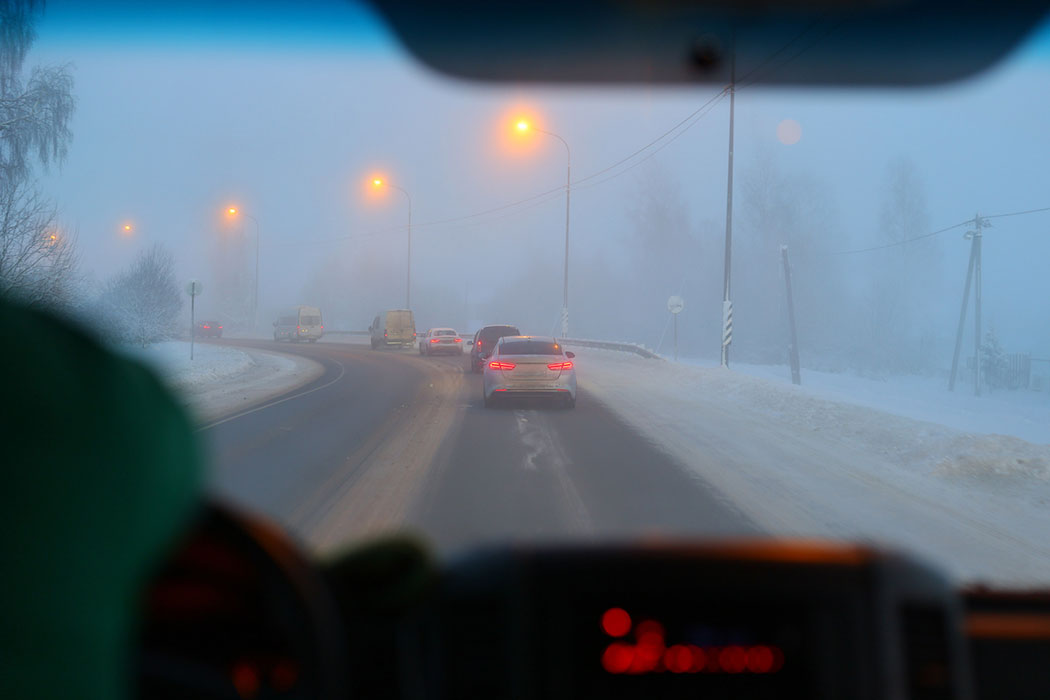
Detroit drivers know how rough winter roads feel, especially when ice and blowing snow hit fast. Many people want answers about why car accidents spike on I 94 and the Lodge Freeway and why these crashes often leave them dealing with painful injuries, missed time at work, and major stress.
If you suffered harm because another driver lost control or failed to adjust to winter weather, you may want to hold that person accountable and pursue compensation through a claim. A skilled lawyer can guide you through each step so you don’t feel alone during a difficult time. Reach out to a car accident lawyer near you for a free consultation and learn how to move forward.
Key Takeaways: Car Accidents on I 94 and the Lodge Freeway
- Winter weather conditions significantly increase accident risks on Detroit's major freeways due to ice, snow, and reduced visibility.
- Michigan's no fault insurance system requires drivers to carry Personal Injury Protection coverage, but understanding your policy limits matters after a winter accident.
- Proving negligence in winter accidents requires demonstrating that another driver failed to adjust their driving behavior to hazardous road conditions.
- The three-year statute of limitations under MCL 600.5805 means you must act quickly to preserve your right to seek compensation beyond no fault benefits.
- Documenting road conditions, weather reports, and accident scene evidence immediately after a winter crash strengthens your potential claim
Why Do Car Accidents Increase on Detroit Freeways During Winter?
Winter brings unique risks that drivers on I 94 and the Lodge Freeway feel almost every day. Sudden weather changes, heavy traffic, and hidden ice often come together to create a dangerous mix.
Weather Conditions Unique to Detroit Winters
Detroit winters often shift from light snow to sudden whiteouts. Drivers who misjudge the roads sometimes lose traction in seconds. Snow piles along the freeway edges also shrink lanes and leave little room for correction. Temperatures swing throughout the day, which means a wet road in the afternoon might freeze into a slick surface by evening.
High Traffic Volume on I 94 and the Lodge Freeway
These freeways carry thousands of drivers each day. Commuters fill lanes during peak hours, and steady congestion leaves limited room for quick braking. When one driver slides, others may not have enough space to avoid a crash. Heavy traffic also increases the odds of chain reaction collisions.
Black Ice and Freezing Rain Hazards
Black ice looks like a normal road surface, which gives drivers a false sense of security. Freezing rain creates a glassy layer that coats the pavement and builds on bridges and ramps. Many winter pileups on I 94 and the Lodge start when drivers hit an icy patch they never saw coming.
Reduced Daylight Hours and Visibility Issues
Shorter days mean more driving in darkness. Low light makes it harder to spot slick areas or slowing traffic. Snowfall often blows across lanes, and headlights reflecting off flakes cause glare that limits visibility.
What Are the Most Common Types of Winter Accidents on I 94 and the Lodge?
Freeway accidents during winter often follow certain patterns. These patterns help people understand what happened and why another driver may hold responsibility.
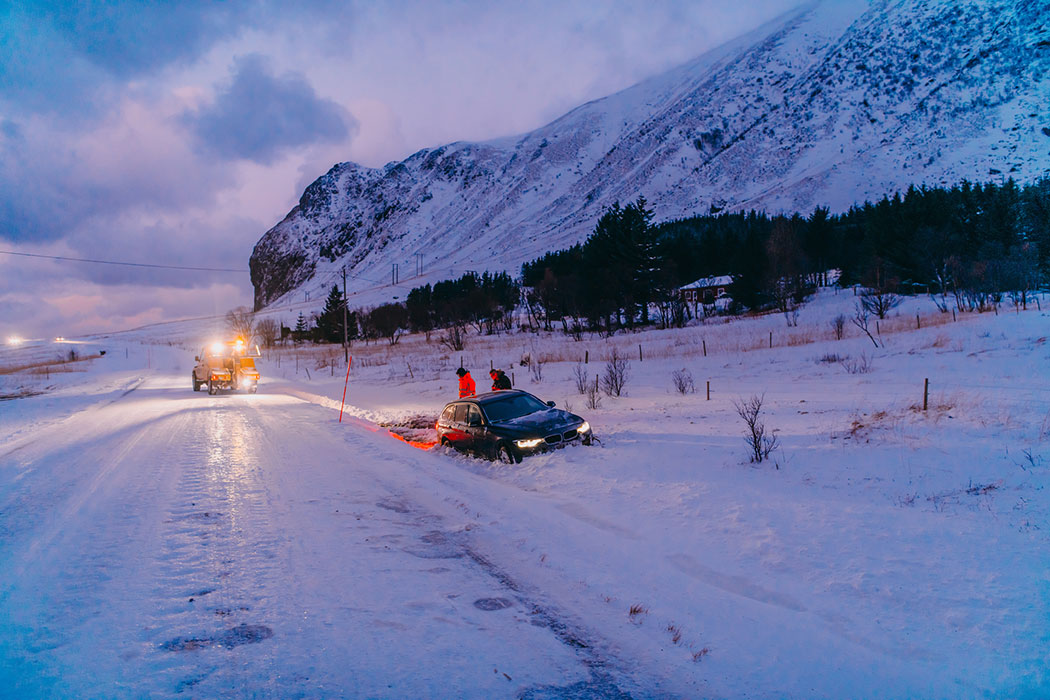
Multi-Vehicle Pileups
One slip on ice can start a chain reaction involving several vehicles. Drivers may brake suddenly and slide into others. Pileups often stretch across multiple lanes and cause widespread damage.
Rear-End Collisions Due to Icy Conditions
Stopping distances grow on icy pavement. Drivers who follow too closely may not have enough time to react, even at lower speeds. Many rear end crashes happen when traffic slows near exits or ramps.
Sideswipe Accidents from Lane Drifting
Slush between lanes sometimes pulls vehicles to one side. When a driver overcorrects, the vehicle may slide into another lane. Sideswipe crashes also occur when drivers rush to merge or change lanes while the pavement remains slick.
Single Vehicle Crashes into Barriers and Medians
Some drivers lose control while approaching curves or entering ramps. Ice near the shoulder sometimes produces sudden skidding. A single vehicle collision into a barrier may involve no other drivers, but injuries can still be serious.
How Does Michigan's No Fault Insurance Law Apply to Winter Accidents?
Winter crashes often raise questions about insurance coverage. Michigan uses a no fault system that provides certain benefits for drivers and passengers regardless of who caused the accident.
Understanding Personal Injury Protection Benefits
Personal Injury Protection covers medical care and related losses after a crash. Drivers who carry PIP receive benefits for treatment, rehabilitation, and some income loss. PIP also offers coverage for replacement services when an injury limits a person’s ability to handle daily tasks.
Key points about PIP include:
- PIP pays medical bills up to the policy limit.
- PIP pays a portion of lost income for a set period of time.
- PIP may help with household tasks you can’t perform because of your injuries.
- PIP applies regardless of fault.
When You Can Step Outside the No Fault System
You may file a claim against the at fault driver when your injuries meet the legal threshold for more serious harm. This step allows you to pursue additional damages not covered by PIP.
The Serious Impairment of Body Function Threshold Under MCL 500.3135
This term describes an injury that affects your ability to live your normal life. For example, a back injury that limits daily movement or prevents someone from working may meet this threshold. Meeting this requirement opens the door for a liability claim.
Property Damage Claims and Mini Tort Recovery
Michigan’s mini tort law allows drivers to seek up to a limited amount for vehicle damage when another driver caused the crash. This compensation helps cover repair costs not paid by insurance.
What Factors Determine Fault in a Detroit Winter Car Accident?
Fault still matters in winter crashes, even though weather plays a role. Drivers must adjust their behavior to match conditions. When someone fails to do so, that person may hold responsibility for the crash.
The Duty to Drive According to Road Conditions
Michigan law requires drivers to slow down and use caution when roads become slippery. A driver who speeds, tailgates, or makes sharp lane changes during winter weather may be considered negligent.
Michigan's Reasonable and Prudent Speed Law MCL 257.627
This law explains that drivers must choose a speed that suits weather and road conditions. Even driving at the posted limit may be unsafe when ice covers the pavement. Police reports often reference this law when determining fault.
Evidence That Proves Negligence in Winter Driving Cases
Several types of evidence help show how a crash occurred. Photos reveal tire tracks, ice patches, and vehicle positions. Weather reports show snowfall rates and temperatures. Witnesses may describe how a driver behaved before the crash.
Useful evidence often includes:
- Road and weather condition photos
- Vehicle damage photos
- Witness statements
- Police reports
- Data from vehicle systems that record speed or braking
How MDOT's Road Maintenance Responsibilities Factor In
MDOT handles snow removal and salting on major freeways. When an accident happens shortly after snowfall, maintenance plans sometimes become part of the investigation. Most cases still focus on driver behavior, but maintenance details may support a claim when conditions were unusually hazardous.
What Should You Do Immediately After a Winter Accident on I 94 or the Lodge?
Taking the right steps after a winter crash helps protect your health and your potential claim.
Ensuring Safety and Contacting Emergency Services
Move your vehicle out of traffic when possible. Call 911 so emergency responders can check for injuries and help control the scene.
Documenting the Accident Scene and Weather Conditions
Winter conditions often change fast. Photos help freeze the moment in time. Capture snow buildup, ice patches, skid marks, and traffic around you. These details help recreate what occurred.
Gathering Witness Information
Witnesses provide important perspectives. Ask for names and phone numbers so your lawyer can contact them later.
Reporting the Accident Under Michigan Law MCL 257.622
Michigan requires drivers to report accidents that cause injury or significant property damage. Police officers complete a report that becomes an important document for your claim.
Seeking Medical Attention Even for Minor Symptoms
Many injuries show delayed symptoms. A medical exam protects your health and creates a record connecting your injuries to the crash.
What Damages Can You Recover After a Winter Freeway Accident?
A winter crash often affects many parts of your life. Michigan law allows injured drivers to pursue different types of compensation depending on the circumstances.
Economic Damages: Medical Bills and Lost Wages
Economic damages include medical treatment costs and income lost because injuries prevented you from working. Receipts, medical records, and employer statements help document these losses.
Non-Economic Damages: Pain and Suffering
Non-economic damages address the impact an injury has on your daily life. For example, ongoing pain, physical limitations, or loss of enjoyment in everyday activities may fall into this category.
Property Damage Recovery
You may seek compensation for vehicle repairs or replacement. Photos, repair estimates, and insurance records help support your claim.
Understanding Comparative Negligence
Comparative negligence means each party receives a percentage of fault. Your recovery adjusts based on your share of responsibility. For example, if another driver held most of the responsibility, you may still pursue damages even if you made a small mistake.
How Long Do You Have to File a Claim After a Winter Accident in Michigan?
Michigan law gives most injured drivers three years to file a lawsuit for personal injury. Waiting too long may prevent you from pursuing compensation beyond your no fault benefits.
The One Year Notice Requirement for Claims Against Government Entities
Claims involving public vehicles or road maintenance require a much shorter timeline. You must provide written notice within one year.
Why Acting Quickly Protects Your Rights
Evidence fades fast during winter. Snow melts. Tire tracks disappear. Witness memories weaken. Quick action helps preserve the details needed to build a strong claim.
How Our Firm Can Help
Winter freeway crashes often leave people with many questions. Our team at Goodman Acker PC guides clients through each step with care and attention. Detroit freeways have unique patterns, and our lawyers understand the trouble spots on I 94 and the Lodge.
We use investigators, accident reconstruction professionals, and medical experts when needed to help document what happened. Our team reviews witness statements, police reports, and vehicle data to uncover key facts.
We negotiate with insurance carriers and push back when they try to shift blame or reduce claim value. When a case requires litigation, we stand ready to present your story clearly and confidently in court.
Frequently Asked Questions About Car Accidents on I 94 and the Lodge Freeway
Can I still recover damages if I was partially at fault for a winter accident on I 94?
Yes. Michigan’s comparative negligence rules allow you to pursue compensation even when you share some responsibility. Your recovery adjusts based on your percentage of fault.
What if the other driver claims the accident was unavoidable due to weather conditions?
Weather plays a role, but drivers must adjust their speed and behavior. A claim that weather alone caused the crash may not remove responsibility if the driver acted carelessly.
Does Michigan law require specific winter tires or equipment?
Michigan doesn’t require winter tires, but many drivers use them for better traction. Studded tires remain restricted except under certain conditions. You may still pursue a claim even if your vehicle didn’t have winter tires.
How do insurance companies investigate winter weather accidents differently?
Insurance companies look closely at weather reports, road conditions, and driver behavior. They may request photos, statements, and vehicle data to determine fault.
What happens if I was involved in a pileup with multiple vehicles on the Lodge Freeway?
Pileups often require a detailed investigation. Several drivers may hold some level of responsibility. Your lawyer can help sort through the evidence and determine how to move forward.
Contact Our Car Accident Lawyers in Detroit Now

Winter accidents move fast and often leave you with little time to respond. Evidence may disappear within hours, and insurance companies sometimes place blame unfairly. Goodman Acker PC stands ready to help you take action and protect your rights.