

- January 22, 2026
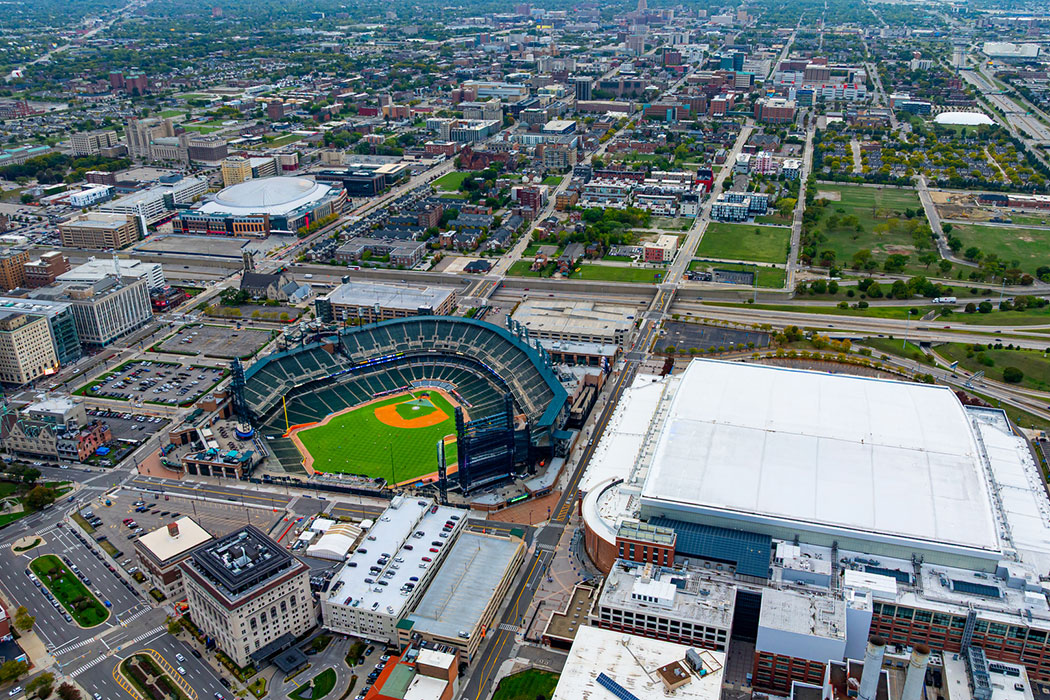
The energy in Downtown Detroit is powerful. The city is in a constant state of transformation, a landscape of new construction rising against a backdrop of historic architecture.
The crowds pouring out of Ford Field after a Lions victory, the buzz around Comerica Park on a summer evening, and the steady hum of activity in the Central Business District all signal a city on the move. Detroit is building toward a future that includes global events like the 2026 World Cup, and the excitement is palpable.
But with this vibrant growth comes a growing problem: the streets are growing increasingly chaotic and dangerous. The same energy that fills the stadiums and restaurants spills out onto the roadways, creating a volatile mix of commuter traffic, event-goers, pedestrians, and e-scooter riders.
The city's grid, already strained by decades-old infrastructure and perpetual construction projects, struggles to keep up.
For drivers, this means every trip downtown requires a heightened state of alert. A simple drive can turn into a complex challenge of anticipating the actions of others in a dense, unpredictable environment.
As we look toward 2026, data and daily experience already point to a clear conclusion: certain locations are emerging as Detroit’s most risky intersections in 2026, where the combination of traffic, design, and human behavior creates a predictable threat of serious accidents.
The concrete grid: Major risks on Detroit’s roads
- The convergence of event traffic from multiple sports and entertainment venues creates predictable periods of extreme congestion and aggressive driving.
- A dramatic increase in vulnerable road users, including pedestrians, bicyclists, and e-scooter riders, requires drivers to be exceptionally vigilant, as these individuals have no protection in a collision.
- Data from the Southeast Michigan Council of Governments (SEMCOG) consistently identifies specific intersections as high-crash locations, highlighting known danger zones.
- Massive, ongoing construction projects constantly alter traffic patterns, creating temporary, confusing, and often hazardous conditions for all drivers.
What Makes Downtown Detroit Driving So Unpredictable?
Several powerful forces, not a single factor, create the danger on Downtown Detroit’s streets.
The surge of event traffic
When the Lions, Tigers, or Red Wings play at home, Downtown Detroit transforms. Tens of thousands of people converge on the area in a short period, and they all leave at once.
This creates a surge of traffic that strains the road network. Drivers are often impatient after waiting in parking garages, distracted by post-game excitement or frustration, and unfamiliar with the one-way streets.
Such an emotional state contributes to aggressive driving behaviors, such as tailgating and unsafe lane changes, which lead to a spike in rear-end collisions.
The rise of ride-share services adds another layer of unpredictability, with vehicles frequently stopping without warning in active traffic lanes to pick up or drop off passengers.
The challenge of vulnerable road users
The Central Business District is a hub for pedestrians, and the popularity of MoGo bikes and e-scooters has added a new layer of complexity. These vulnerable road users often move in ways that drivers do not anticipate.
A pedestrian engrossed in their phone might step into a crosswalk unexpectedly, or a scooter rider may swerve into a lane of traffic to avoid a pothole. Drivers have a legal duty to be aware of and yield to these individuals, but a congested environment often tests that duty.
The infrastructure itself can contribute to the danger, with poorly marked crosswalks or bike lanes that abruptly end, forcing riders into vehicle traffic.
The ever-present reality of construction
Detroit's growth fuels major infrastructure projects, most notably the I-375 Reconnecting Communities Project. While essential for the city's future, this work creates a constant state of flux. Drivers face a confusing maze of concrete barriers, lane closures, detours, and temporary traffic signals.
These conditions reduce the margin for error and often contribute to accidents caused by driver confusion or frustration. Construction companies have a duty to create a safe path for traffic, including providing clear signage, adequate lighting at night, and safe, even road surfaces. Failure to do so can be a form of negligence.
Which Intersection Tops the List? Jefferson Avenue and Woodward Avenue
This intersection is the symbolic and literal heart of Detroit. The city’s main north-south and east-west arteries meet here, surrounded by the city’s most iconic landmarks.
A crossroads of commerce and commuters
The intersection of Jefferson and Woodward handles a massive volume of diverse traffic. It is the gateway to the downtown financial district, Hart Plaza, and the Riverwalk. It funnels traffic to and from the Lodge Freeway (M-10) and the Detroit-Windsor Tunnel.
The constant flow includes not just passenger cars but also DDOT buses, the QLINE streetcar, and commercial delivery trucks. Each of these vehicle types moves at a different speed and has different blind spots, creating a complex and demanding driving environment.
Analyzing the crash data
Recent data available from SEMCOG consistently shows this intersection as one of the highest-frequency crash locations in Wayne County. The most common types of accidents here are rear-end collisions and sideswipes.
The rear-end crashes often happen when drivers are distracted by the waterfront views or try to anticipate traffic light changes. The sideswipes are frequently caused by the intersection's complex lane structure.
Drivers must quickly get into the correct lane for the Lodge Freeway or the tunnel, leading to abrupt, often unsafe, lane changes in heavy traffic.
The pedestrian factor at Campus Martius
Just a block away from this intersection is Campus Martius Park, the city’s central gathering place. This proximity generates a huge volume of foot traffic, especially during events like the Christmas tree lighting or summer festivals. Pedestrians crossing the wide expanse of Woodward and Jefferson are a constant presence.
A driver who is distracted, trying to rush through a yellow light, or blinded by sun glare off the Renaissance Center can easily fail to see a person in a crosswalk, leading to a devastating accident.
Why is the Area Near Gratiot and Brush So Hazardous?
This intersection serves as the main entry point to Detroit's entertainment district, placing it at the center of the event-traffic storm.
The gateway to the entertainment district
Ford Field, Comerica Park, the Fox Theatre, and numerous restaurants and bars flank the intersection of Gratiot Avenue and Brush Street. When an event lets out, this area becomes one of the most congested places in the city.
The mix of excited fans on foot, drivers searching for their parked cars, and ride-share vehicles stopping unexpectedly creates a recipe for chaos. The sheer density of people and vehicles in this small area dramatically increases the likelihood of an accident.
Left-turn collisions
This area is notorious for left-turn accidents. A driver on Gratiot attempting to turn left onto Brush must judge the speed of multiple lanes of oncoming traffic. Other drivers who are speeding to get through the light or who run a red light can make this maneuver incredibly dangerous.
An analysis of SEMCOG's crash database reveals that angle crashes, particularly those involving left turns, are a leading cause of injuries at this location. These T-bone style collisions often result in serious injuries to the occupants of the car that is struck.
How driver impairment adds to the risk
Given the high concentration of bars and entertainment venues, this area also has a higher risk of accidents involving impaired drivers, especially late at night. An impaired driver's reduced judgment and slowed reaction time make driving through this already complex intersection nearly impossible.
An accident caused by a drunk driver results in two separate legal cases. The state prosecutes the driver in criminal court to punish them. Separately, the injured victim files a civil personal injury claim to pursue financial compensation for their losses. A conviction in the criminal case can serve as powerful evidence in the civil claim.
What Dangers Do the I-75 and I-375 Interchanges Present?
Where the high-speed world of the freeway meets the slower-paced grid of downtown streets is a point of significant friction and danger.
A funnel of high-speed highway traffic
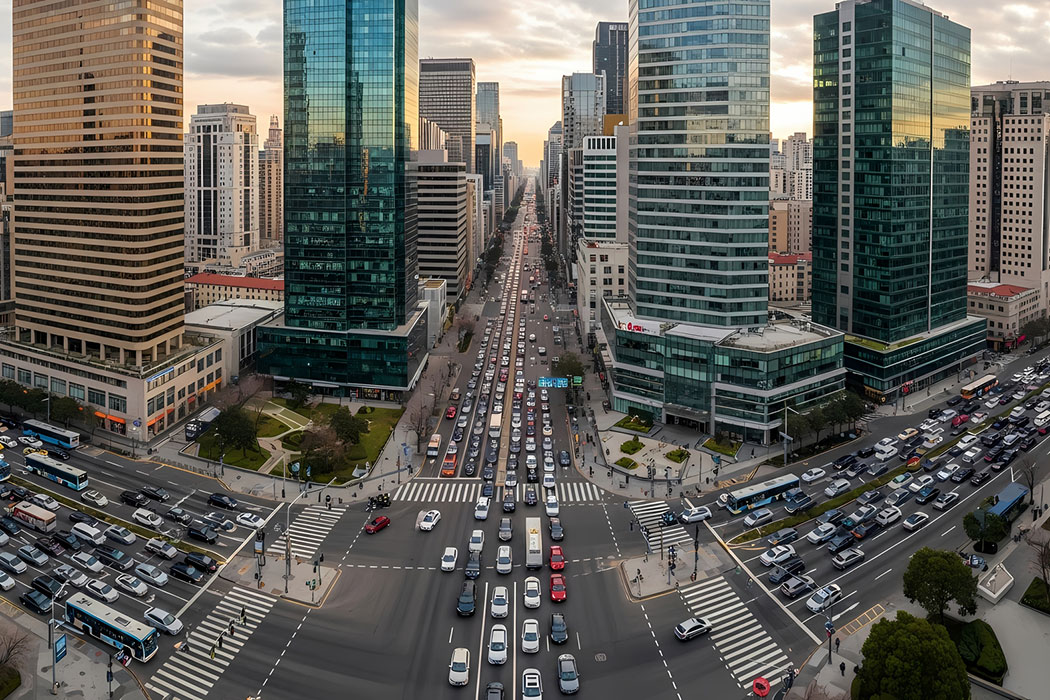
The I-375 interchange acts as the primary funnel for traffic coming from I-75 into the heart of downtown. Drivers transition from highway speeds of 55-70 mph down to city street speeds in a very short distance.
The rapid deceleration is a prime cause of serious rear-end collisions, as drivers who are following too closely or are distracted do not have enough time to react to slowing or stopped traffic ahead.
Confusing merges and exits
The design of the I-375 exit ramps near Jefferson Avenue and the Renaissance Center can be confusing, especially for drivers who are not familiar with the area. This leads to last-second, unsafe lane changes as drivers try to get to their correct exit.
A driver who suddenly cuts across multiple lanes of traffic to avoid missing an exit can easily cause a multi-car pileup. The ongoing construction project to transform I-375 into a surface-level boulevard will continue to alter these patterns, creating years of unpredictable conditions for drivers to contend with.
Rear-end collisions from sudden stops
The traffic lights at the end of the I-375 ramps can cause traffic to back up onto the freeway itself, a particularly dangerous situation. A driver coming around a curve at highway speed may not expect to encounter a line of stopped cars.
A driver who is not paying attention or is following too closely can find themselves with no time to react. These high-speed rear-end collisions are among the most violent types of crashes, often resulting in severe whiplash-type injuries and totaled vehicles.
FAQ for Downtown Detroit Car Accidents
Does a crash in a known high-risk intersection affect my claim?
Yes, it can. An attorney can use SEMCOG data and police reports to show that a particular intersection is a known danger zone. An attorney can use this to argue that the other driver had a heightened duty to be cautious in that specific area and that their failure to do so was a clear act of negligence.
What if a pedestrian or scooter rider was involved in my accident?
Cases involving vulnerable road users are complicated. Michigan's No-Fault laws have specific rules about who pays for a pedestrian's medical bills. Determining fault can also be complicated, as both the driver and the pedestrian have duties to exercise reasonable care. It is essential to document the scene and gather witness information in these cases.
How does construction affect who is at fault for a crash?
In some cases, the construction company or the government entity responsible for the project may share in the fault for a crash. If they created a hazardous condition, such as an unsafe lane shift without proper warning signs or an unmarked drop-off, they may hold liability for contributing to the accident.
From Crossroads to Clarity: Charting Your Course After a Crash
The energy of Detroit's comeback is exciting, but it has made driving the city’s streets more challenging than ever. When that challenge results in an accident, the physical, emotional, and financial toll can be immense.
You are left trying to recover while facing a complex legal system and powerful insurance companies. At Goodman Acker PC, our attorneys have a deep, firsthand knowledge of the streets of Detroit. We have seen the unique dynamics of the city's traffic and know how to investigate the causes of a serious collision.