

- April 30, 2026
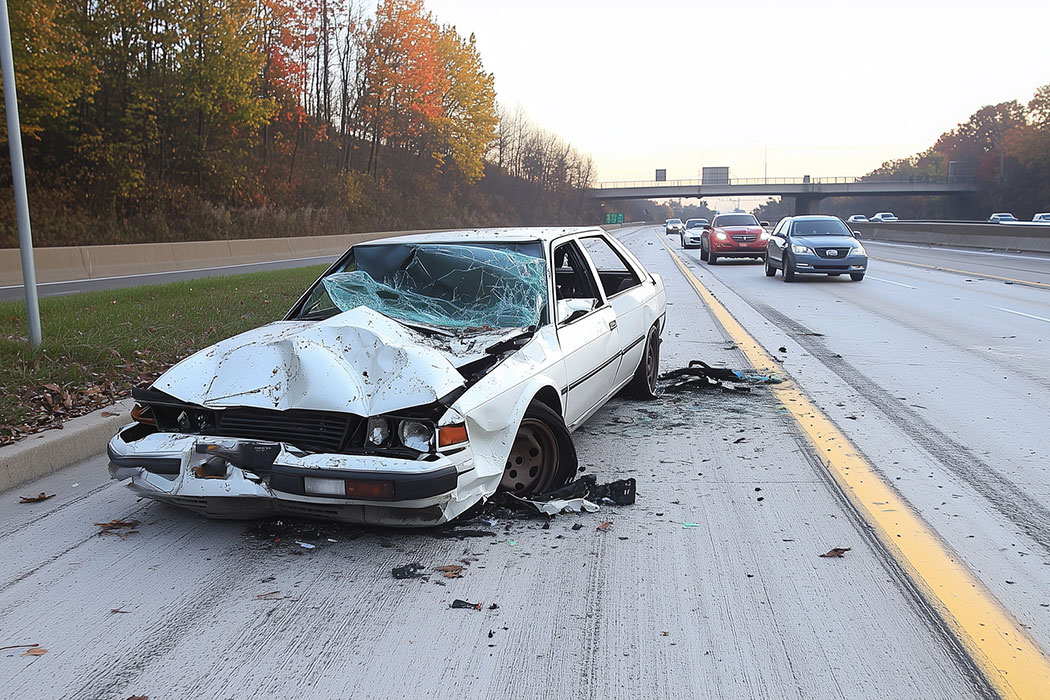 Distracted driving under Michigan law includes any behavior that takes a driver’s hands, eyes, or attention away from safely operating a vehicle, with handheld phone use now explicitly banned. Michigan distracted driving laws matter in crash cases because evidence of distraction can support a negligence claim.
What Counts as Distracted Driving Under Michigan Law?
Distracted driving laws in Michigan ban conduct that interferes with safe vehicle operation, especially the use of handheld devices while a vehicle is in motion.
For injury claims, the key question becomes whether another driver’s distraction fell below what a reasonably careful driver would have done in the same situation.
Many drivers think only texting matters, but fault decisions often consider a range of behaviors that divert attention from the road.
During a free consultation, Michigan distracted driving accident lawyers can explain how the following legal points may affect a particular case.
Key Takeaways About Distracted Driving Laws in Michigan
- Michigan’s handheld cell phone driving law generally bans holding or manually using a mobile device while driving.
- Texting behind the wheel remains one of the clearest examples of illegal distracted driving.
- Eating, GPS adjustments, and loose pets can support a negligence claim if they contribute to unsafe driving.
- Civil liability for distraction does not require a ticket; overall behavior and crash facts still matter.
How Michigan Law Thinks About Distracted Driving
Michigan law addresses distracted driving in two main ways: specific rules for handheld devices and broader duties to drive with reasonable care. Those duties apply whether distraction comes from a phone or something else in the vehicle.
At a basic level, Michigan distracted driving laws focus on:
- Keeping enough control to operate a vehicle safely.
- Limiting handheld phone use to reduce manual and visual distraction.
- Treating violations as both safety issues and potential evidence of negligence.
What Does the Michigan Cell Phone Driving Law Prohibit?
Michigan’s cell phone driving law generally prohibits most drivers from holding or manually using a mobile device while driving on a roadway. The law aims to prevent actions that pull hands and eyes away from the task of driving.
Behaviors the law targets include:
- Typing, reading, or sending text messages.
- Scrolling through social media or other apps.
- Dialing by hand instead of using voice commands.
- Entering navigation addresses while the vehicle is moving.
Hands‑free use with voice controls or limited single taps is treated differently from extended manual use. A distracted driving attorney can look at how a phone was used shortly before a crash to see whether it likely fell inside or outside the legal limits.
Contact us online, and let us safeguard your rights and future.
How Does Texting Fit Into Distracted Driving Laws in Michigan?
Texting is one of the clearest forms of illegal distracted driving in Michigan because it combines manual, visual, and cognitive distraction. Looking at a screen, typing, and following a conversation all compete with safe driving.
When a crash involves suspected texting, investigations often focus on:
- The timing of messages around the collision.
- Admissions about reading or sending texts while moving.
- Phone location, such as in the driver’s hand or lap.
- Crash patterns like no braking or lane drifting.
Those details can influence both traffic enforcement and civil fault decisions.

The Main Types of Distracted Driving in Michigan
Safety discussions in Michigan often sort distractions into three categories: manual, visual, and cognitive. Each type captures a different way attention can slip:
- Manual distraction: Hands leave the wheel.
- Visual distraction: Eyes leave the road.
- Cognitive distraction: Mind leaves the task of driving.
This framework helps explain why seemingly small behaviors can have big consequences on the road.
What Is Manual Driving Distraction?
Manual distraction occurs when a driver takes one or both hands off the wheel to do something else, even briefly. That may not seem serious until sudden braking or steering becomes necessary.
Common manual distractions include:
- Reaching for a phone, bag, or items on the floor.
- Handling food, drinks, or wrappers.
- Turning around to adjust a child or pick up dropped toys.
- Trying to restrain or reposition a loose pet.
When collision evidence shows delayed steering or braking, manual distraction may become a central issue in a Michigan crash case.
What Is Visual Driving Distraction?
Visual distraction happens when a driver looks away from the roadway, mirrors, or dashboard information needed for safe driving. Even short glances can matter at higher speeds.
Evidence of visual distraction often includes:
- Statements about looking at a screen or object inside the car.
- Witness accounts of a driver’s head tilted down or to the side.
- Video showing eyes focused away from traffic.
- Crashes with no apparent attempt to brake or avoid impact.
Those facts can support a finding that the driver was not watching the road when it counted.
What Is Cognitive Driving Distraction?
Cognitive distraction refers to the mental aspect of attention, in which thoughts shift away from driving, even when hands and eyes seem properly placed. Not every wandering thought becomes a legal issue, but strong distraction can affect reaction time.
Situations that can involve cognitive distraction include:
- Intense phone or in‑person conversations.
- Strong emotional reactions to recent events.
- Stress about work, finances, or family.
When severe crashes occur with little physical evidence of reaction, lawyers and experts sometimes consider whether cognitive distraction likely played a part.
Are Non‑Phone Behaviors Treated as Distracted Driving in Michigan?
Non‑phone behaviors can still be treated as distracted driving in Michigan when they lead to unsafe vehicle operation. The handheld device statute is important, but it does not replace general duties to drive carefully.
Courts and insurers often look at whether a non‑phone distraction contributed to:
- Missing red lights or stop signs.
- Failing to notice stopped or slowing vehicles.
- Drifting across lane lines.
Is Eating While Driving Considered Distracted Driving in Michigan?
Eating while driving can be treated as distracted driving in Michigan if it interferes with safe driving and contributes to a crash. The law may not list eating by name, but traffic duties still apply.
Signs that eating may matter in a crash analysis include:
- Food or drink spilled around the driver’s area.
- Statements about unwrapping or holding food at the time.
- Sudden lane departures or late braking tied to handling food.
In a civil claim, those facts can support an argument that eating was part of negligent distraction.
Can GPS Use Count as Distracted Driving in Michigan Car Accident Cases?
GPS use can count as distracted driving when interaction requires manual input or extended glances away from the road. Setting directions while parked is safer than entering an address in motion.
When GPS becomes part of a case, investigators may look at:
- Whether the driver was typing or tapping on the screen.
- How often attention went to the navigation display instead of traffic.
- Whether voice commands were available but not used.
Even an in‑dash system can contribute to distraction if it demands too much attention at the wrong time.
Do Loose Pets and Passengers Affect Distraction Analysis?
Loose pets and active passengers can significantly affect distraction analysis because they may demand the driver's attention or require movement. Michigan law still expects drivers to maintain control of their vehicles despite these challenges.
Evidence involving pets or passengers might include:
- Reports of a pet in the driver’s lap.
- Notes about the driver turning around toward the backseat.
- Descriptions of loud arguments or emotional conversations.
Those details can help explain why a driver failed to react in time.
How Distracted Driving Laws Affect Crash Liability in Michigan
Distracted driving laws in Michigan influence both traffic tickets and civil fault decisions, but a citation is not the whole story. In many claims, distraction becomes important when:
- Phone use clearly violates Michigan’s handheld device rules.
- Non‑phone distractions lead directly to unsafe maneuvers.
Civil liability still centers on whether a driver failed to act with reasonable care.
Does a Distracted Driving Ticket Decide Who Was at Fault?
A distracted driving ticket does not automatically decide fault, but it can be strong evidence that a driver violated Michigan law. That violation may support the argument that the driver did not act reasonably.
In a civil case, a ticket is usually considered together with:
- Witness statements and passenger accounts.
- Phone or GPS records.
- Crash reconstruction findings.
Those combined facts often shape settlement discussions and trial outcomes.
Can Negligence Be Proven Without a Distracted Driving Ticket?
Negligence can be proven without a distracted-driving ticket if the evidence shows unsafe behavior contributed to the crash. Courts focus on conduct, not just on whether an officer wrote a citation.
Useful evidence in these cases may include:
- Admissions about eating, reaching, or adjusting devices.
- Video showing inattention.
- Crashes where a careful driver likely would have avoided impact.
A Michigan distracted driving accident lawyer can evaluate whether these facts support a claim.
Evidence Commonly Used to Prove Distracted Driving Accident INjury Claims in Michigan
Proving distracted driving usually means building a picture from multiple sources rather than relying on one detail. Digital records and physical observations often work together.
Common evidence sources include:
- Phone logs showing calls, texts, or data use near the time of the crash.
- Vehicle event data about speed and braking.
- Dashcam or surveillance footage.
- Statements from drivers, passengers, and bystanders.
A distracted driving accident attorney can help gather, organize, and present this and other strong evidence to support a claim for the maximum compensation you may be eligible to recover under the law.
Contact us online, and let us safeguard your rights and future.
Distracted Driving Laws in Michigan: Questions Answered by Our Attorneys
Is hands‑free phone use allowed under Michigan distracted driving laws?
Hands‑free phone use is generally treated more favorably under Michigan distracted driving laws than handheld use, as long as the driver is not manually manipulating the device while driving. Short voice‑controlled interactions present less legal risk than typing or scrolling.
Does the distracted driving law apply at red lights?
Michigan’s distracted driving law typically applies whenever a vehicle is being operated on a roadway, which often includes being stopped at a light or in traffic. Using that pause to text or scroll can still be cited and may influence how distraction is viewed after a crash.
Can eating alone support a distracted driving claim?
Eating in the vehicle can support a distracted driving claim if it is tied to unsafe behavior, such as lane drifting or late braking. In many cases, eating is one part of a broader pattern of inattention that, taken together, contributes to negligence.
Why might a lawyer be important in a distracted driving case?
A lawyer can be important in a distracted driving case because much of the key evidence, such as phone records or vehicle data, is not automatically shared. Legal help can be crucial for preserving and obtaining those records before they are lost.
When Questions About Distraction Become Legal Strategy
Questions about distracted driving laws in Michigan often start with simple worries about phones, food, or conversations behind the wheel. Those same questions can become central to a claim when serious injuries and disputed fault are involved.
Legal teams familiar with Michigan distracted driving rules can review crash facts, request records, and explain how distraction may influence liability and possible recovery. That kind of guidance often turns scattered concerns into clearer choices about next steps.
When distraction seems likely but the full story is still unclear, a conversation with counsel can turn loose details into a more organized legal plan.
To learn more about how Michigan distracted driving laws may apply to a specific crash, contact Goodman Acker at 248‑286‑8100 or send a message online to arrange a free, confidential consultation.