

- December 12, 2025
Parents want their kids to stay safe during every ride, so many families ask what are the car seat laws in Michigan? Michigan’s rules aim to reduce the chance of serious harm during a crash, and families who travel with children need to know how these laws work.
When a child gets hurt in a crash someone else caused, a parent faces fear, stress, and uncertainty. An experienced car accident lawyer near you can explain your options and offer a free consultation.
Key Takeaways: Michigan Car Seat Laws
- Michigan law requires children under age 4 to ride in a car seat and children under age 8 to use a booster seat unless they are taller than 4 feet 9 inches
- Proper car seat installation and use can reduce the risk of serious injury or death in a crash by up to 71 percent for infants
- Parents and caregivers can face fines and civil liability if they fail to follow Michigan’s child restraint laws
- Car seat requirements vary based on the child’s age, weight, and height with specific guidelines for each stage
- If another driver’s negligence causes a crash that injures your child, you may have grounds for a personal injury claim even if car seat laws were followed
What Are Michigan's Car Seat Requirements?
Michigan sets very clear rules for how children must ride in a vehicle based on age, size, and the type of restraint system needed. These rules give families a clear path for choosing the right seat and help reduce the chance of a serious injury during a collision.
Rear-Facing Car Seats for Infants and Toddlers
Rear-facing seats give very young children the strongest level of protection because they support a child’s head, neck, and spine during a crash. Infants and toddlers usually need this type of seat from birth through at least age two, although some children remain in rear-facing seats longer if they still meet the height and weight limits.
Rear-facing seats have specific legal and safety points that parents should know:
- Weight and height limits come from the seat manufacturer. Parents can check the manual or labels on the seat.
- A snug harness keeps the child secure. Your fingers should not pinch the strap fabric at the shoulders.
- The seat must sit at the correct recline angle so the child’s head does not bend forward.
- The safest place for a rear-facing seat is usually the back seat.
Forward-Facing Car Seats for Young Children
Once a child outgrows a rear-facing seat, Michigan law allows the switch to a forward-facing car seat with a harness. Children often stay in these seats for several years until they reach the booster stage. A forward-facing seat helps prevent the child’s body from moving forward too far during a crash.
Parents should check for the following:
- The seat should use both a harness and the top tether to keep it anchored.
- Children should sit all the way back in the seat with the harness at the correct height.
- The seat should remain tightly installed with little to no movement when pulled at the base.
Booster Seat Requirements for Older Children
Michigan requires children to use a booster seat until they reach age 8 or measure 4 feet 9 inches in height. A booster seat lifts the child up so the seat belt fits correctly across the lap and shoulder rather than the neck or stomach.
Booster seats help older children who still need support but no longer fit a harnessed seat. Most kids remain in a booster seat longer than they expect because proper belt fit takes time. A child is usually ready to move on from a booster when the knees bend comfortably at the edge of the seat, the lap belt rests low across the hips, and the shoulder belt crosses the chest without touching the face or neck.
When Can a Child Use a Regular Seat Belt?
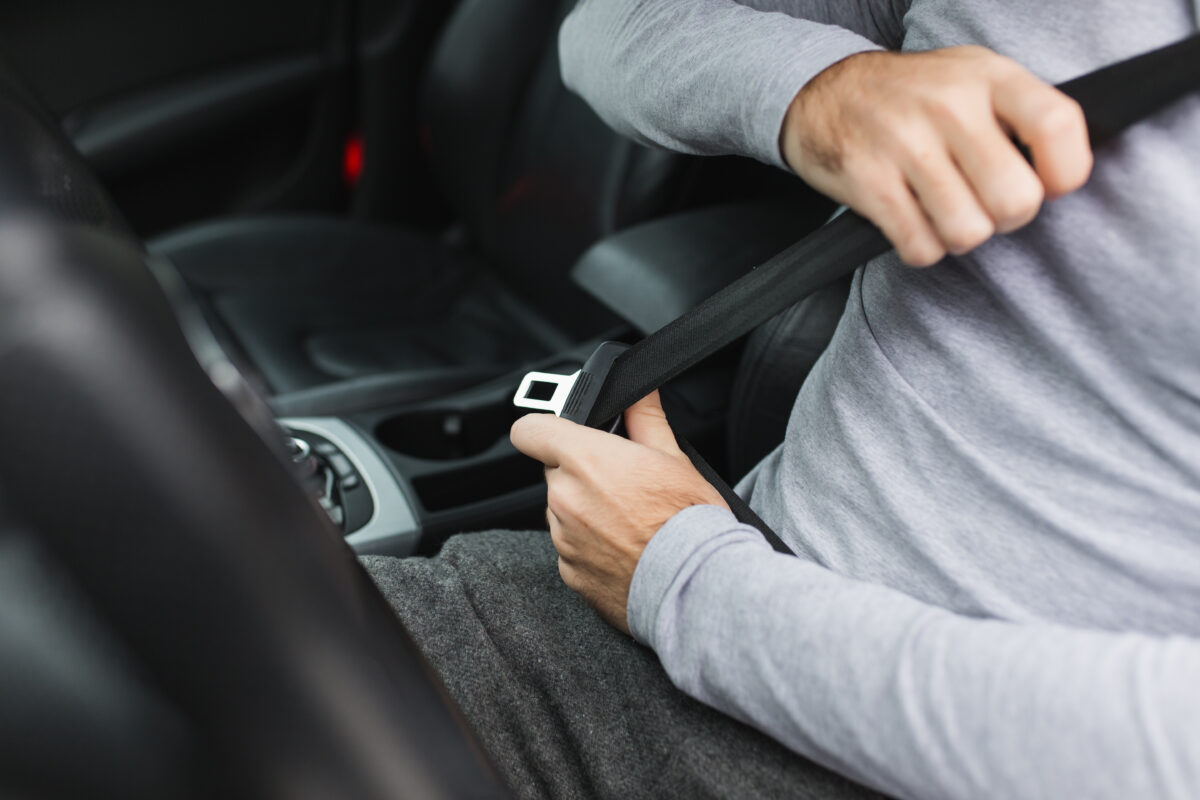
A child can safely use a regular seat belt once the vehicle’s belt system fits the body the way it fits an adult. Michigan law allows this when a child turns 8 or reaches 4 feet 9 inches in height, but some children need extra time for the belt to sit in the correct position.
Parents can look for signs that show a child is ready:
- The child can sit upright for the entire trip without slouching.
- The shoulder belt touches the center of the chest and shoulder.
- The lap belt sits low on the upper thighs.
What Are the Penalties for Violating Michigan Car Seat Laws?
A driver who violates Michigan’s child restraint laws usually receives a civil infraction and a fine. The penalty may look small at first, but the long term effects can create bigger issues. A ticket can raise insurance costs and appear on a driving record. Families who already face financial strain may find this additional cost hard to handle.
Potential Impact on Personal Injury Claims
A parent who fails to follow child restraint laws could face challenges when bringing a claim after a crash. Insurance companies sometimes argue that a child’s injuries came from improper seat use rather than the other driver’s negligence. These types of arguments attempt to shift blame.
Michigan uses comparative fault rules, which means the insurance company may try to reduce the amount paid if they believe a parent failed to use a proper seat. However, following the law strengthens the parent’s position and helps show that the true cause of the injury came from the at fault driver’s choices.
Who Is Responsible for Ensuring Proper Car Seat Use?
Michigan law places responsibility on the adult transporting the child. Someone must make sure the child rides in the correct seat with proper installation and use.
Parent and Guardian Responsibilities
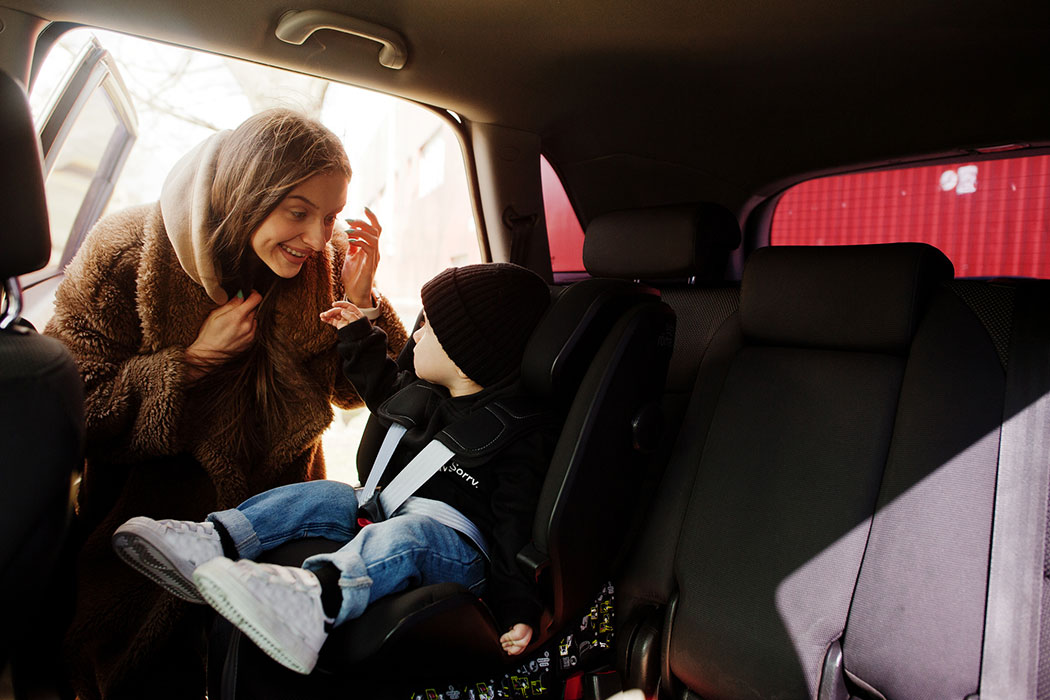
Parents usually buy and install the seat and must confirm that caregivers know how to use it. Even when the child rides in another person’s vehicle, the parent should make sure the correct seat travels with the child.
Rideshare and Taxi Exceptions
Rideshare and taxi drivers in Michigan don’t have to provide car seats. Families must bring their own seat when using these services. Planning ahead avoids a stressful moment without proper restraints.
Liability When Borrowing or Lending Vehicles
If you borrow a car or lend yours to someone else, the driver in the moment still carries responsibility for correct restraint use. Liability does not shift simply because the owner is different from the driver.
How Should You Install and Use a Car Seat Correctly?
Proper installation protects children from serious injury. Even seats that appear secure may not sit tightly enough or may be at the wrong angle.
Installation Best Practices
Parents can use these guidelines:
- Tighten the seat belt or lower anchors while pressing down on the seat.
- The seat should move less than one inch.
- Attach the top tether for forward-facing seats.
- Keep the harness snug without twists.
Common Car Seat Mistakes to Avoid
Frequent mistakes include moving a child to the next stage too soon, placing the chest clip too low, switching to a booster seat early, or ignoring the manufacturer’s height and weight limits.
Where to Get Your Car Seat Inspected
Certified technicians at fire departments, hospitals, or community centers offer free inspections. These visits help parents confirm that the seat works correctly and fits the child’s size.
What Happens if Your Child Is Injured in a Car Accident?
Parents experience deep worry when their child suffers injuries during a crash. Even when a child rides in the correct seat, a negligent driver can still cause harm.
Types of Injuries Children Sustain in Crashes
Children often suffer soft tissue injuries, fractures, head injuries, bruises, and cuts. Some injuries appear later because adrenaline can hide early symptoms. Any injury requires prompt medical care because children grow quickly and small injuries can carry long term effects.
How Car Seat Compliance Affects Your Claim
Correct restraint use helps parents show that the crash and the at fault driver’s negligence caused the child’s injuries. When parents follow Michigan’s laws, insurers have fewer arguments regarding seat misuse. Compliance supports a stronger and clearer claim.
Michigan's No Fault Insurance and Child Injury Claims
Michigan’s no fault system pays medical bills and certain related expenses regardless of who caused the crash. Children usually receive benefits under a parent’s policy. No fault benefits cover medical care, rehabilitation, and some household services.
If injuries go beyond what no fault benefits cover, families may pursue a case against the at fault driver. Michigan law requires a serious impairment of body function for these claims. This means the injury affects an important body function and changes daily life. Once this standard is met, families can pursue damages for medical costs, pain, suffering, and long term effects on the child’s future.
Can You Sue if Another Driver Injured Your Child?
Parents often want to know their options when a careless driver harms their child. Michigan law allows legal action when the other driver’s behavior causes significant injury.
Establishing Negligence in Child Injury Cases
Negligence means the other driver failed to use reasonable care. Examples include speeding, distracted driving, intoxicated driving, or ignoring traffic signs. Proving negligence requires showing that the driver’s actions caused the crash and that the crash injured the child.
Serious Impairment of Body Function Threshold
Families need an attorney to demonstrate that the injury affects an important part of the child’s body and changes daily activities. Doctors play a large role in explaining how injuries affect movement, learning, and comfort during everyday tasks.
Damages Available in Michigan Child Injury Claims
Families may recover damages that reflect the full impact of the injury. These often include medical expenses, care needs, reduced quality of life, and the child’s physical pain and emotional distress. Parents sometimes also seek compensation for time missed from work while caring for the child.
How Our Firm Can Help
The process of handling insurance claims and medical records can feel draining for families who already worry about their child. Our team at Goodman Acker PC guides parents through each step. We gather evidence, speak with insurance companies, review medical records, and help you pursue compensation that reflects your child’s needs and the losses your family experienced.
We focus on the facts, communicate with adjusters so you do not have to, and work to build a strong claim supported by reliable evidence. Families receive support, regular communication, and guidance throughout the legal process.
Frequently Asked Questions About MI Car Seat Laws
Can I use a used car seat for my child?
Yes, as long as you know the seat’s full history. Seats involved in a crash or those that have expired may not protect your child. Always check the expiration date and make sure all parts function correctly.
Do car seat laws apply to out of state visitors in Michigan?
Yes. Anyone driving in Michigan must follow Michigan’s child restraint rules.
What if my child is tall or heavy for their age?
Follow the manufacturer’s limits. Some children outgrow seats earlier or later based on their build.
Are there exceptions to Michigan's car seat laws?
A few exceptions exist for medical conditions. Families must carry a note from a doctor if the child cannot use a standard restraint.
How long should my child remain in each type of car seat?
Keep your child in each seat stage until they reach the manufacturer’s maximum height or weight limit. Many children stay in rear-facing and booster seats longer than expected.
Contact Our Michigan Car Accident Lawyers Now

Child injury cases move on strict timelines, so families should take action promptly. Evidence can fade and witnesses may forget key details. Goodman Acker PC works to protect your rights, gather evidence, speak with insurers, and help you pursue compensation supported by the facts of your case.