

- September 28, 2026
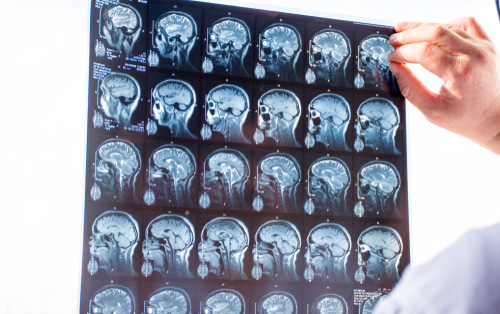 Traumatic brain injury compensation in Michigan following an auto accident follows a specific framework built on no-fault benefits, third-party damages, and the tort threshold that governs pain and suffering claims.
Adjusters move quickly on TBI files because early settlement caps their exposure before the long-term picture becomes clear.
Getting a real answer on case value requires an honest look at medical documentation, coverage tier, and what the injury actually did to earning capacity and daily life.
Key Takeaways for Traumatic Brain Injury Compensation in Michigan
- Michigan no-fault PIP benefits may cover allowable medical expenses and wage loss regardless of fault, with medical benefits and wage-loss benefits governed by separate statutory limits.
- A third-party claim against the at-fault driver may add damages beyond what no-fault covers, subject to Michigan's statutory tort threshold for noneconomic damages.
- Unlimited PIP medical coverage may provide lifetime allowable medical benefits for severe TBI clients whose households selected that tier.
- TBI case value depends heavily on severity, documented long-term impact, liability clarity, and the injured person's age and earning history.
- No attorney honestly quotes a specific settlement value without a full medical and coverage review.
Quick Answer: What damages can you recover for a TBI in Michigan?
Traumatic brain injury compensation after a Michigan motor vehicle accident may include personal injury protection (PIP) benefits under the no-fault system and damages through a third-party claim against an at-fault driver. TBIs caused by falls, medical malpractice, defective products, or other incidents follow different compensation rules. Goodman Acker, P.C. represents Michigan brain injury clients and handles the full damages analysis.
What Determines the Value of a Michigan Brain Injury Case?
The value of a Michigan brain injury case depends on the severity of the injury, the strength of the medical documentation, the applicable no-fault coverage tier, the at-fault party's insurance limits, and the long-term impact on the client's life. No single factor drives value on its own; the categories interact.
Two identical crashes producing identical initial diagnoses may generate very different recoveries based on downstream facts.
A client who kept unlimited PIP medical coverage, has a strong pre-injury earning history, and has thoroughly documented cognitive deficits presents a very different valuation than a client who selected reduced-tier coverage and returned to work quickly without formal neuropsych testing.
Categories that interact to shape final Michigan TBI case value include:
- Clinical severity of the brain injury and the documentation supporting it
- Applicable PIP medical coverage tier and available third-party insurance limits
- Strength of liability against the at-fault driver
- Documented impact on cognitive function, employment, and daily life
- The injured person's age, pre-injury health, and earning trajectory
That valuation depends heavily on facts that develop in the months and years after the injury, which is why premature settlement offers often understate real case value.

What Economic Damages Are Available for a Michigan Auto-Related TBI?
Economic damages in a Michigan auto-related TBI case are the concrete financial losses caused by the injury, and they fall into three main categories: medical expenses, wage loss, and future care costs.
These categories are typically documented through billing records, employment records, and expert projections.
Medical Expenses
Medical expenses in a Michigan TBI case include emergency care, hospitalization, neurology and neuropsychology treatment, physical and occupational therapy, medications, and any surgical intervention required by the brain injury or related complications. Under Michigan's no-fault statute (MCL 500.3107), PIP allowable expense benefits generally cover reasonable and necessary medical expenses, subject to the PIP medical coverage tier the insured selected.
Lost Wages and Reduced Earning Capacity
Lost wages and reduced earning capacity often represent one of the largest damage categories in a severe TBI case.
No-fault work-loss benefits under MCL 500.3107(1)(b) generally cover a defined percentage of pre-injury earnings for up to three years, subject to a statutory monthly maximum, and are governed by separate statutory limits than PIP medical coverage.
Excess wage loss beyond the no-fault cap, plus long-term reduced earning capacity, may be recovered through the third-party bodily injury claim against the at-fault driver.
Long-Term Care and Attendant Care
Long-term care and attendant care costs often dominate the economic damages picture in a moderate or severe TBI case.
Family members providing in-home care may qualify for compensable attendant care benefits under Michigan no-fault, subject to specific rules on documentation, hourly rate, and hours per day.
A life care planner projects these costs across the client's expected lifespan, which often runs into significant six or seven-figure totals in severe TBI cases.
What Non-Economic Damages May a TBI Client Recover?
Noneconomic damages in a Michigan auto-related TBI case compensate for the human consequences of the injury that do not appear on a medical bill.
Under MCL 500.3135, motor vehicle tort liability for noneconomic loss exists only when the injured person has suffered death, serious impairment of body function, or permanent serious disfigurement, so meeting Michigan's statutory tort threshold is a prerequisite to recovering pain and suffering.
Categories of noneconomic damages in a Michigan brain injury lawsuit include:
- Physical pain and suffering caused by the injury and its treatment
- Mental anguish and emotional distress connected to cognitive deficits, personality changes, or lost independence
- Loss of enjoyment of life, covering hobbies, relationships, and activities the client may no longer pursue
- Disfigurement or visible scarring from associated injuries
- Loss of consortium claims by a spouse for the impact on the marital relationship
Whether a TBI meets the serious impairment of body function threshold depends on the specific facts and medical documentation of the case, and it is not automatic simply because the diagnosis carries the TBI label.

How Does Unlimited PIP Coverage Affect a Severe Michigan TBI?
In cases involving unlimited PIP medical coverage, the injured person's insurer remains responsible for covered PIP benefits under Michigan's no-fault law.
The Michigan Catastrophic Claims Association (MCCA) separately reimburses member insurers for qualifying catastrophic claims above the statutory retention level under MCL 500.3104, but the MCCA is a reimbursement mechanism between insurers rather than a separate benefit program the injured person applies for.
Unlimited PIP Medical Coverage Access
Injured people whose households kept unlimited PIP medical coverage under Michigan's post-2019 tiered no-fault framework generally have access to lifetime allowable medical benefits, subject to the statutory framework and the medical fee schedule.
That access matters enormously in severe TBI cases where long-term rehabilitation, attendant care, and residential brain injury programs may run for decades.
Categories of care unlimited PIP medical coverage commonly reaches in severe TBI cases include:
- Long-term inpatient and residential brain injury rehabilitation programs
- In-home attendant care provided by family members or hired caregivers
- Ongoing neurology, neuropsychology, and cognitive therapy services
- Home and vehicle modifications required to accommodate the injury
- Assistive equipment and durable medical equipment across the lifespan
Access to these categories is precisely what makes coverage tier confirmation one of the highest-value early moves in a severe TBI file.
Reduced-Tier Coverage Implications
Injured people whose households selected reduced-tier PIP medical coverage face a cap on available allowable medical expense benefits, which may materially affect the long-term care picture in a severe TBI case.
Confirming coverage tier is one of the first analyses a Michigan brain injury attorney runs on any TBI file.
What Factors Increase a Michigan TBI Case Value?
Certain case-specific factors materially raise the value of a Michigan TBI claim. Cases with these factors typically command stronger settlement offers and stronger jury verdicts than cases without them.
- Clear liability: Defense arguments about fault reduce settlement pressure; clean liability strengthens the demand
- Documented cognitive deficits: Neuropsychological testing showing measurable deficits supports damages beyond subjective symptoms
- Younger client with earnings history: Longer future earning window increases reduced earning capacity damages
- Severe or catastrophic injury: Higher medical costs and long-term care needs drive both economic and noneconomic damages up
- Advanced imaging showing injury: MRI or diffusion tensor imaging findings counter defense arguments that no injury exists
- Consistent treatment record: Gaps in treatment give the defense arguments about causation and severity
- High PIP tier and high third-party limits: Available insurance funds shape the practical ceiling on recovery
Cases with several of these factors present very differently at negotiation than cases missing them. Documentation quality and coverage confirmation often make more difference to final case value than the underlying facts of the crash itself.
How Long Does a Michigan TBI Case Take to Resolve?
Michigan traumatic brain injury cases typically take longer to resolve than routine auto injury claims because the long-term impact of the injury often is not clear for months or years after the initial event.
Rushing to settlement before the medical picture stabilizes may leave value on the table.
Factors that extend the timeline in a Michigan TBI case:
- Waiting for maximum medical improvement, which may take a year or more in a moderate TBI case and longer in a severe case
- Coordinating neuropsychological testing, life care planning, and vocational expert work
- Disputed liability requiring accident reconstruction or independent medical examinations
- Multi-defendant cases where each defendant's insurer negotiates separately
- Ongoing no-fault benefit disputes that run alongside the third-party bodily injury claim
Many Michigan TBI cases resolve within one to three years of retention, though catastrophic cases with lifetime care claims may take longer, particularly if they proceed to trial in the county circuit court where the case is filed.
How Goodman Acker Approaches Damages Analysis in a Michigan TBI Case
Goodman Acker treats damages modeling as its own body of case work in a Michigan brain injury lawsuit.
Adjusters and defense counsel often value TBI cases against the visible medical bills alone, which leaves future care, reduced earning capacity, and noneconomic losses off the table. Our job is to put every category on the table with documentation behind it.
Our damages modeling on a Michigan TBI case typically involves:
- Confirming the applicable PIP medical coverage tier and how it affects allowable medical expense benefits
- Retaining a life care planner to project medical, therapy, and attendant care needs across the client's expected lifespan
- Working with a vocational expert to quantify lost earning capacity based on pre-injury and post-injury work potential
- Coordinating with treating providers to document cognitive, emotional, and behavioral changes over time
- Building a full economic loss report that maps every recoverable category to specific evidence
Our attorney fee is contingent on recovery. Our firm may advance case expenses subject to the terms of the fee agreement, and no attorney fee is owed if no recovery is made.
FAQs for Traumatic Brain Injury Compensation Michigan
Does Michigan cap damages in traumatic brain injury cases?
Michigan generally does not impose a statutory cap on noneconomic damages in an ordinary motor vehicle negligence case. Different rules and statutory limits may apply to certain claims, including medical malpractice and product liability cases.
How is a TBI proven in a Michigan lawsuit?
A TBI is proven in a Michigan lawsuit through a combination of medical imaging, neuropsychological testing, treating provider testimony, and documentation of symptom onset and progression.
Advanced imaging like MRI or diffusion tensor imaging often supports cases where the initial ER CT scan was normal.
What if a family member is providing care for a severe brain injury victim?
Yes, family members providing care for a severe brain injury victim may qualify for compensable attendant care benefits under Michigan no-fault, subject to specific rules.
Documentation of hours worked, tasks performed, and the reasonable hourly rate for the level of care provided all matter to the attendant care claim.
Do I have to accept the insurance company's first offer on my brain injury case?
No, you do not have to accept the insurance company's first offer on your brain injury case.
An early settlement offer may not account for long-term care needs, reduced earning capacity, or noneconomic damages that become clearer as the medical evidence develops, and speaking with a Michigan brain injury attorney before responding protects your position.
What if my brain injury happened at work?
It depends. A brain injury that happened at work may involve a separate compensation framework tied to the employer, and it may also involve a third-party negligence claim if a party other than the employer caused the injury.
Get a Full Damages Analysis Run on Your Michigan TBI Case Before Responding to Any Offer
The single most useful step a Michigan brain injury client may take before accepting or rejecting a settlement is a complete damages analysis that covers every category the case may reach, including economic loss, no-fault benefits, unlimited PIP coverage access where applicable, noneconomic damages, and future care costs.
A settlement offer made before the long-term medical and financial impact is understood may not reflect the full value of the losses that can be documented.
Goodman Acker, P.C. represents Michigan traumatic brain injury clients across the state, with attorneys handling cases in Wayne County and other Michigan venues. Call 248-861-8100 to have a Michigan brain injury attorney run a full damages review on your case.