

- December 13, 2025
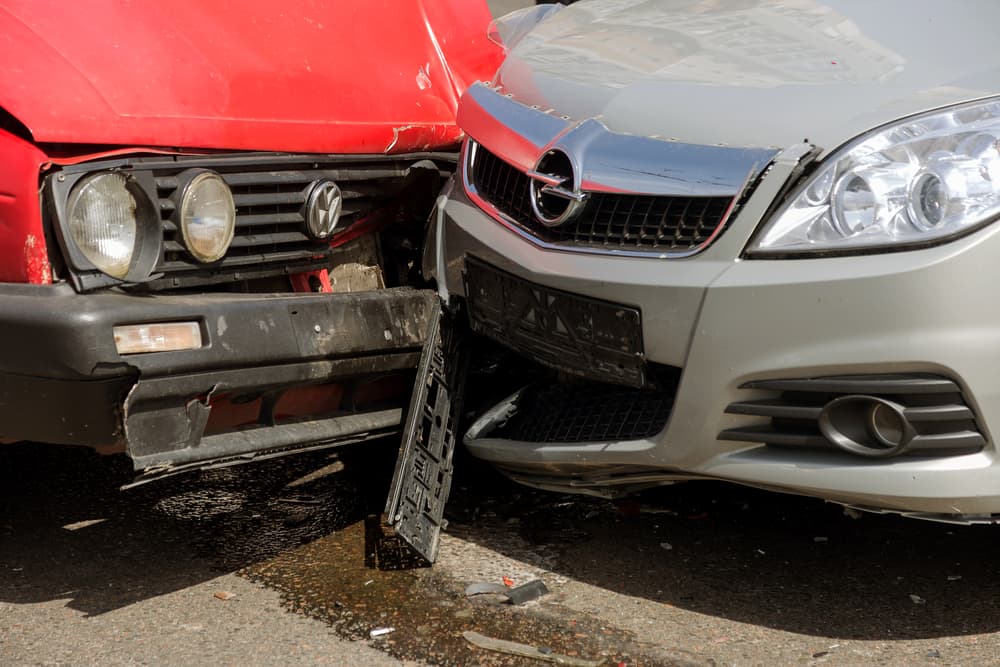
A car accident in Grand Rapids can leave you in pain, confused, and unsure of what to do next. Many people want to know what to do after a car accident in Grand Rapids because they want accountability from the at fault driver, support for their medical needs, and a clear path forward.
You may feel pressure to make the right decisions even while dealing with medical concerns and the disruption the crash caused. A knowledgeable attorney gives you someone to lean on throughout the claims process and protects your rights. Contact a car accident lawyer can near you today who can answer your questions during a free consultation and help you take the next steps.
Key Takeaways: What To Do After a Car Accident in Grand Rapids
- Michigan's no fault insurance system requires you to file a claim with your own insurance company first, regardless of who caused the accident
- You have a limited time to report the accident and file claims under Michigan law
- Documenting the scene thoroughly can protect your rights and strengthen any potential injury claim
- Understanding the difference between no fault benefits and third party liability claims is crucial for maximizing your recovery
- Seeking immediate medical attention creates an important record linking your injuries to the accident
What Should You Do Immediately After a Car Accident?
Moments after a crash often feel confusing and rushed. Clear steps help you protect yourself, the people around you, and your legal rights.
Check for Injuries and Call 911
Look at yourself and everyone in your vehicle first. Call 911 right away if anyone seems hurt. Emergency responders can treat injuries and keep everyone safe. Police officers also create an official record that you may need later.
Move to Safety if Possible
If your vehicle blocks traffic or creates danger, move it to the side of the road when you can do so safely. A safer location reduces the chances of another collision.
Exchange Information with Other Drivers
Get the name, phone number, address, driver's license number, plate number, and insurance information from each driver involved. Give them the same information from you.
Document the Scene with Photos and Videos
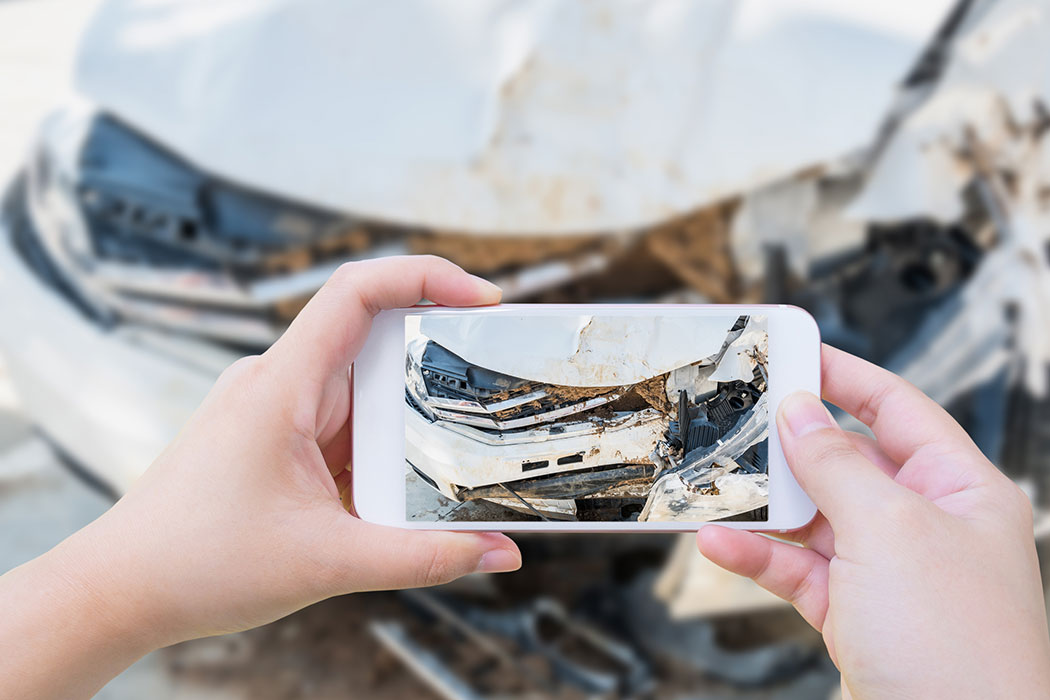
Pictures and videos help show what happened. Capture damage to all vehicles, skid marks, road conditions, traffic signals, weather, and anything else that appears relevant.
Gather Witness Contact Information
Sometimes, a neutral witness can clarify what occurred. Ask bystanders for their names and phone numbers. Even a short statement from them may support your account.
Do You Need to File a Police Report in Grand Rapids?
Many people wonder whether Michigan law requires them to report a crash. A police report often plays a meaningful role in your insurance claim.
When Michigan Law Requires a Police Report
Michigan law requires a report when someone suffers an injury, a death occurs, or property damage appears to be worth at least one thousand dollars. Most vehicle collisions meet this threshold.
How to Obtain a Copy of Your Accident Report
You can request a copy of the report from the police department that responded to your crash. The Michigan State Police Traffic Crash Purchasing System also provides copies for a small fee.
What Information Should Be in the Police Report
A police report usually includes driver statements, witness comments, diagrams of the scene, weather notes, injury observations, and any citations given. These details help clarify how the crash occurred.
What Medical Steps Should You Take After the Accident?
Medical care protects your health and links your injuries to the crash. This record helps support your claim for compensation.
Seek Immediate Medical Attention
Even when you think your injuries seem minor, get checked by a medical professional right away. Some injuries appear hours or days later. Early care makes a difference.
Follow Up with Your Primary Care Doctor
Your primary doctor knows your medical history and can track how your injuries progress. Follow their recommendations and keep all appointments so you create a detailed record.
Keep Detailed Records of All Treatment
Hold on to medical bills, treatment summaries, imaging results, prescriptions, and receipts. All of these documents show the impact the crash had on your health.
How Does Michigan's No-Fault Insurance System Work?
Michigan no fault insurance includes Personal Injury Protection benefits that generally cover medical care after a crash. These benefits apply no matter who caused the collision.
Personal Injury Protection (PIP) Benefits
PIP benefits usually cover medical expenses, lost income for a period of time, replacement services like help with daily tasks, and mileage to medical appointments. Explain these terms whenever possible:
- Personal Injury Protection benefits pay for reasonable medical care related to the accident.
- Lost income support provides temporary help when injuries prevent you from working.
- Replacement services reimburse the cost of hiring help for tasks you cannot complete because of your injuries.
- Mileage reimbursement helps cover the cost of travel to medical visits.
Property Protection Insurance (PPI)
Michigan PPI covers damage your vehicle causes to someone else's property, up to one million dollars. PPI does not cover your own vehicle.
Residual Liability Insurance
Residual liability applies when someone sues an at fault driver. Michigan law allows lawsuits only in certain situations, and residual liability provides coverage up to the policy limits.
When Can You Sue the At-Fault Driver in Michigan?
No fault benefits cover many losses, but some injuries allow you to pursue a claim against the at fault driver. Michigan law outlines when this step becomes available.
Understanding the Serious Impairment of Body Function Threshold
Michigan law allows you to sue the at fault driver for pain and suffering when your injuries meet the serious impairment threshold. This threshold means the injury affects your ability to live your normal life for a period of time. A lawsuit may also allow you to recover additional economic losses not covered by your insurance.
Economic Damages Exceeding No-Fault Coverage
If your medical or income losses go above your PIP limits, you may pursue a claim against the at fault driver for the amount your policy does not cover.
Death Cases and Wrongful Death Claims
If a loved one passes away because of the crash, family members may pursue a wrongful death claim. This type of claim seeks support for funeral costs, loss of companionship, and other related losses.
What Information Should You Collect at the Accident Scene?
Thorough information helps you protect your claim. Even simple details can make a big difference later.
Driver and Vehicle Information
Record the driver’s name, address, phone number, license number, plate number, and vehicle make and model.
Insurance Details
Write down the insurance companies, policy numbers, and contact information for each driver.
Environmental Conditions
Note weather, visibility, lighting, road surface, and traffic flow. These conditions sometimes help explain how the crash occurred.
Physical Evidence and Damage
Look for skid marks, debris, damaged guardrails, or broken glass. Photograph vehicle damage from several angles.
Should I Talk to the Insurance Company?
Insurance companies contact people soon after a crash. What you say early in the process can affect your claim.
Your Own Insurance Company vs. the Other Driver's Insurer
Your own insurance company needs basic information to open your no fault claim. The other driver's insurer may try to get statements that reduce their responsibility.
What to Say and What Not to Say
Share only the facts. Avoid guessing about speed, distance, or cause. Never apologize, even politely, because the insurer might interpret that as accepting blame.
Why Recorded Statements Can Be Problematic
Recorded statements lock you into your words before you fully know your injuries or the details of the crash. Insurers sometimes use these recordings to limit what they need to pay.
What Are Common Mistakes to Avoid After a Car Accident?
People under stress sometimes make choices that harm their claims. Awareness helps you avoid these pitfalls.
Admitting Fault at the Scene
Even simple phrases like “I’m sorry” can create problems later. Stick to facts and remain calm.
Delaying Medical Treatment
Waiting too long to see a doctor allows the insurance company to argue your injuries came from something else.
Posting About the Accident on Social Media
Insurers look at public posts. Even harmless comments or photos can be taken out of context.
Accepting a Quick Settlement Offer
Quick offers often fall short of your actual losses. These offers give the insurer a chance to limit their own payout before you understand your medical needs.
Missing Important Deadlines
Michigan law includes strict deadlines for filing no fault claims and lawsuits. Delay puts your rights at risk.
What Are the Time Limits for Filing a Claim in Michigan?
You generally have three years from the crash date to file a lawsuit against the at fault driver. After that time, you lose the ability to pursue the claim.
Deadlines for No-Fault Benefit Claims
You must file for no fault benefits within one year of the crash. Bills submitted after that year may not be covered.
Notice Requirements Under Michigan Law
Some claims require early notice to protect your rights. An attorney can help you identify required timelines.
How Can an Attorney Help with Your Car Accident Claim?
Legal support gives you someone who knows how to build a strong claim and handle insurance companies.
Investigating the Accident and Gathering Evidence
An attorney reviews reports, photos, medical records, and witness statements. They look for every detail that supports your claim.
Dealing With Insurance Companies
Insurance companies often try to reduce what they need to pay. A lawyer communicates with them for you and pushes back when they attempt to shift blame.
Calculating the Full Value of Your Claim
Many people miss losses they could pursue. An attorney reviews medical costs, income losses, long term needs, and pain and suffering damages to estimate what a fair claim might include.
Navigating Michigan's Complex No-Fault System
Michigan’s no fault law contains many rules. An attorney guides you so you avoid mistakes and stay on track.
Representing You in Court if Necessary
If the insurance company refuses to take responsibility, your attorney can prepare your case for trial.
How Our Firm Can Help
Goodman Acker PC has supported injured people in Michigan for many years. We understand how sudden injuries affect your daily life, your ability to work, and your independence.
Our team listens closely to your concerns and steps in to handle the legal burdens so you can focus on healing. We gather evidence, speak with the insurance companies, and help you pursue compensation for medical costs, income losses, and pain and suffering through a strong claim.
When needed, we also prepare cases for trial and stand beside our clients every step of the way.
Frequently Asked Questions About What to Do Following a Car Crash
What should I do if the other driver doesn't have insurance?
Michigan no fault insurance still covers your medical care and related losses. You may also have uninsured motorist coverage that helps when the at fault driver lacks insurance.
Can I still recover compensation if I was partially at fault for the accident?
Michigan uses modified comparative fault. You can still pursue a claim for pain and suffering damages if you were less than fifty percent at fault. Your financial recovery for economic damages may be reduced by your percentage of fault.
How long do I have to report an accident to my insurance company?
Most insurers require prompt notice, sometimes within twenty four to seventy two hours. Check your policy for deadlines, and contact your insurer as soon as you can.
What if my injuries don't appear until days after the accident?
Some injuries develop slowly. See a doctor right away when you notice symptoms. Your medical record will show the timing and connection to the crash.
Do I need an attorney if the accident was minor?
Yes. Even minor crashes create confusion about medical care or insurance coverage. An attorney can review your situation during a free consultation and explain your options.
Contact Our Car Accident Lawyers in Grand Rapids Now

Michigan law limits the time you have to take action after a crash. Acting quickly helps protect your rights and gives your attorney time to gather strong evidence. Goodman Acker PC has helped many people in situations like yours and works hard to support clients through every stage of their claim.