

- October 28, 2026
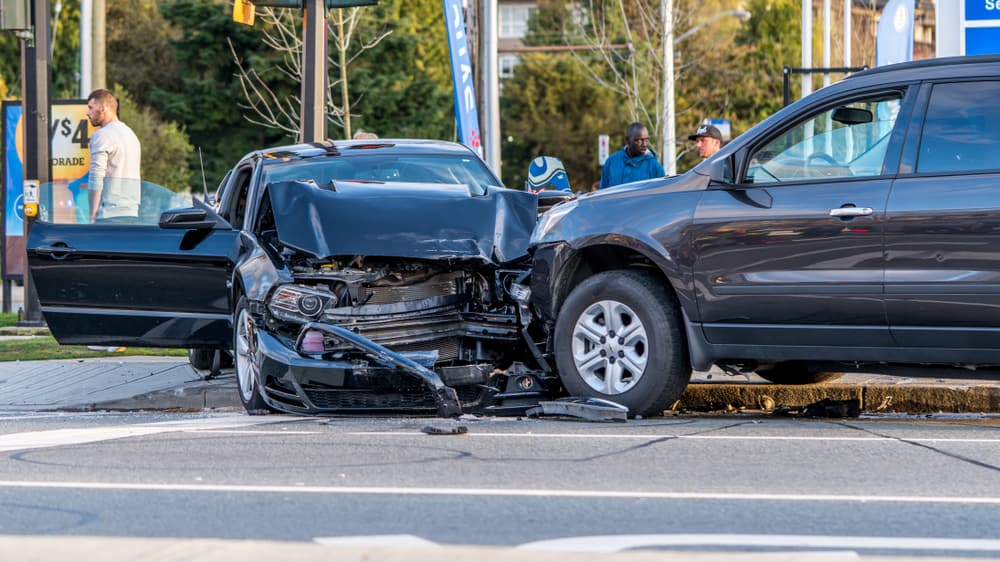 A Labor Day car accident in Michigan rarely happens at a convenient time. Offices are closed, police are stretched thin, and many people are far from home when a holiday weekend trip ends in a crash.
The steps you take in the following days can shape both your no-fault benefits and any claim against the driver who caused the crash.
If you were hurt in a holiday weekend crash anywhere in Michigan, a car accident attorney can explain your options and help you sort out which insurer owes what.
What Michigan Drivers Should Know
- Michigan no-fault insurance pays medical expenses and wage loss through the injured person's own household policy, regardless of who caused the crash.
- Written notice of a no-fault claim must reach the insurer within one year of the crash.
- A claim against the at-fault driver for pain and suffering requires death, serious impairment of body function, or permanent serious disfigurement.
- A drunk driver's criminal case and the injured person's civil claim are separate proceedings with separate outcomes.
- A bar or restaurant that served a visibly intoxicated driver may share responsibility under Michigan's dram shop law, which has a short notice deadline.
Quick Answer: What Should You Do After a Michigan Car Accident Over Labor Day Weekend?
Call 911, get medical care, document the scene, and give your no-fault insurer written notice within one year. Michigan no-fault PIP benefits pay medical bills regardless of fault. A pain-and-suffering claim against the other driver usually requires a serious injury, while some economic losses follow different rules.
What Steps Help Protect a Claim After a Holiday Weekend Crash?
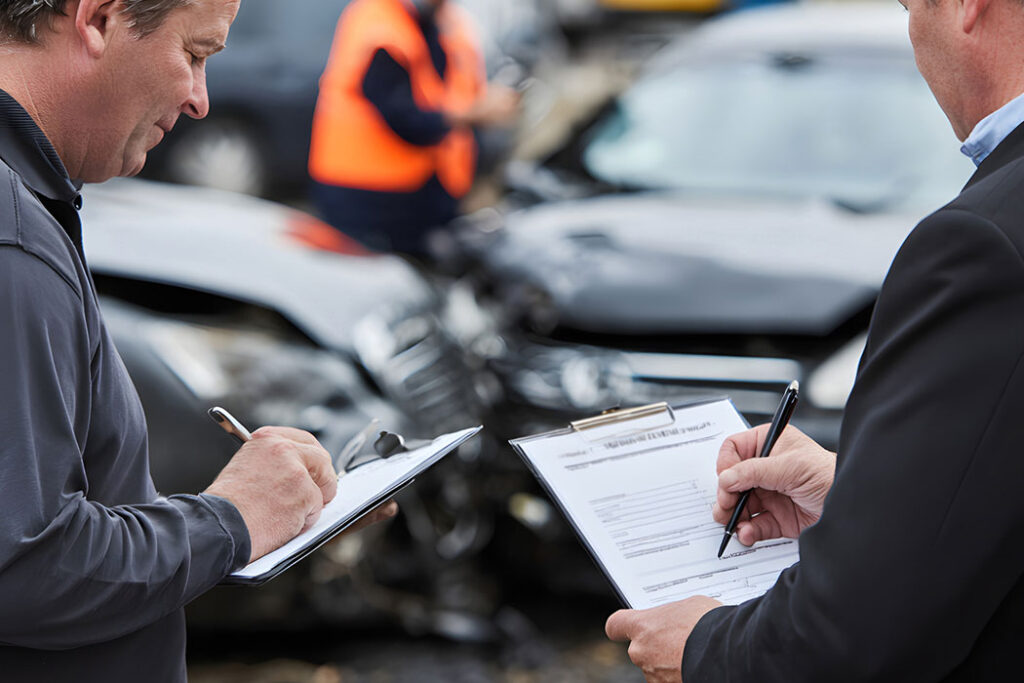
The most helpful steps after a Labor Day crash focus on safety, medical care, and creating a record. Many people find the following sequence useful:
- Call 911. Michigan law requires drivers to report crashes involving injury, and a police report creates an early record of who was involved.
- Get medical care, even if you feel fine. Holiday adrenaline can mask injuries, and a same-day visit links symptoms to the crash.
- Document the scene. Photos of the vehicles, the road, traffic signals, and visible injuries help preserve details that disappear quickly.
- Exchange information. Collect names, insurance details, and contact information from the other drivers and any witnesses.
- Notify your insurer in writing. Prompt written notice protects your no-fault benefits and keeps payments from being delayed.
Each of these steps supports a different part of the claim. Missing one is not fatal, but it can make proof harder later.
Michigan's Duty to Report a Crash
Under MCL 257.622, a driver involved in a crash that injures or kills anyone, or causes apparent property damage of $1,000 or more, must immediately report it to the nearest police station or police officer. Reporting right away also starts the paper trail that insurers rely on.
What to Avoid in the Days After the Crash
Some choices made in the first days after a crash can create problems. Giving a recorded statement to the other driver's insurer before you understand your injuries, posting about the crash on social media, or signing a release can all be used against a claim later.
Why Do Holiday Weekends Complicate Michigan Crash Claims?
Holiday weekends add practical obstacles that can slow down the paperwork behind a crash claim. Knowing about them ahead of time helps you keep the claim moving.
Delays in Getting the Police Report
Police agencies handle heavy traffic and more calls over Labor Day weekend, and officers may take longer to complete crash reports. Michigan crash reports, known as UD-10 reports, can usually be requested from the investigating agency or online once they are finalized.
Gaps in Medical Follow-Up
Many primary care offices close for the holiday, which can push follow-up care into the next week. Visiting urgent care or an emergency department in the meantime helps prevent a gap in treatment records that insurers may later question.
Crashes Far From Home
Labor Day travel takes many Michigan drivers to the lakeshore, Up North, or out of state. A crash in another part of Michigan is still covered by your no-fault policy, and a crash in another state may involve that state's rules for the claim against the other driver.
Holiday Driving Conditions That Lead to Michigan Claims
Labor Day weekend combines long trips, crowded roads, and celebrations, and each of those conditions shows up in crash claims. Understanding how a crash happened helps identify who is responsible and what evidence to look for.
Impaired and Distracted Drivers
End-of-summer gatherings mean more drivers on the road after drinking, and more drivers checking phones for directions or messages. Both kinds of driving behavior can leave evidence behind, such as test results, phone records, or witness accounts of erratic driving.
Fatigue on Long Trips
Drivers heading home from the lakeshore or Up North on Monday evening may have been on the road for hours. Fatigue slows reaction time much like impairment, and it can be harder to prove, so statements made at the scene and trip timelines often matter.
Heavy Traffic and Work Zones
Holiday traffic can turn highway work zones and merge points into stop-and-go conditions. Rear-end crashes and sudden lane changes are common in these settings, and fault often depends on following distance and attention rather than speed alone.
Trailers, Campers, and Boats in Tow
Many Labor Day travelers tow campers, boats, or trailers, which take longer to stop and can sway in wind or traffic. When a trailer comes loose or a towing vehicle cannot stop, the owner of the trailer and the way it was hitched can become part of the claim.
How Does Michigan No-Fault Apply to a Labor Day Crash?
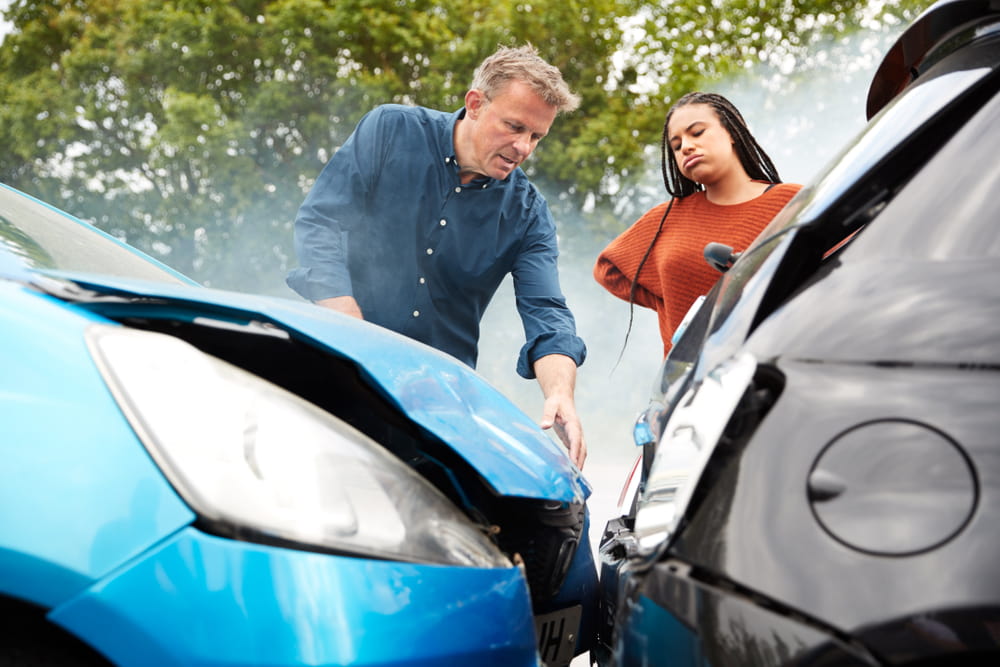
Michigan's no-fault system works the same way on a holiday as on any other day. Your PIP coverage usually pays first for medical care and lost wages.
A pain-and-suffering claim against the other driver requires Michigan’s injury threshold, but some economic losses can be claimed separately.
Personal Injury Protection Benefits
PIP benefits can cover reasonable medical expenses up to your chosen coverage level, 85% of lost wages for up to three years subject to a monthly cap, replacement services, and medical mileage. The coverage level you picked on your policy controls how much medical care is available.
The One-Year Notice Rule
Under MCL 500.3145, written notice of a PIP claim must reach the insurer within one year of the crash. A lawsuit over unpaid benefits generally must be filed within one year after the expense was incurred, so delays can cost benefits.
Comparing the Claims After a Michigan Crash
The table below shows how the main claims after a Michigan crash differ:
| Claim | Who usually pays | What it covers | Key deadline |
|---|---|---|---|
| No-fault PIP | Your own household auto insurer | Medical care, wage loss, replacement services | Written notice within one year |
| Mini-tort | The at-fault driver or their insurer | Up to $3,000 in vehicle damage not covered by your insurance | Generally three years |
| Injury claim against the driver | The at-fault driver's liability insurer | Pain and suffering and economic losses beyond PIP | Generally three years |
| Dram shop claim | A bar or restaurant that overserved the driver | Damages tied to the driver's intoxication | Written notice within 120 days of retaining a lawyer |
More than one claim may apply after the same crash. Each has different rules and deadlines, so it helps to identify them early.
What If a Drunk Driver Caused Your Labor Day Crash?
A drunk driving crash can make fault easier to prove, but the same Michigan rules still apply to pain-and-suffering damages. The injured person still needs to meet the tort threshold in MCL 500.3135.
The Criminal Case and the Civil Claim
Michigan prosecutes operating while intoxicated under MCL 257.625, with a legal limit of 0.08 blood alcohol content for most adult drivers. The criminal case is brought by the state, while the injured person's claim for compensation is a separate civil case.
How Intoxication Affects Fault
Evidence such as a breath test, blood test, guilty plea, or conviction can strongly support a claim that the driver was negligent. That evidence helps establish fault in the civil claim, though the injured person must still prove the extent of the injuries and losses.
When a Bar or Restaurant May Share Responsibility
Michigan's dram shop law, MCL 436.1801, allows claims against a licensed business that served alcohol to a visibly intoxicated person who then caused injury. These claims require written notice to the business within 120 days after the injured person retains a lawyer.
Evidence That Matters in a Drunk Driving Crash
Several kinds of evidence often help in a claim against an impaired driver:
- The police report and any field sobriety or chemical test results
- Records from the criminal case, including charges and any plea
- Receipts, bar tabs, or witness accounts showing where the driver was drinking
- Surveillance video from the business that served the driver
Because businesses may overwrite video quickly, requesting preservation early is often important after a holiday weekend crash.
FAQs About Labor Day Car Accident Claims in Michigan
Does my Michigan no-fault insurance cover a crash in another state over Labor Day?
A Michigan no-fault policy generally provides PIP benefits for a crash anywhere in the United States, its territories, and Canada. The claim against the at-fault driver for pain and suffering, however, may follow the law of the state where the crash happened.
What if I was driving a rental car over the holiday weekend?
If you own a Michigan auto policy, your own PIP coverage usually still pays your medical bills after a rental car crash. Damage to the rental car itself depends on your auto policy, any credit card coverage, and any protection you bought from the rental company.
Can I recover anything if the drunk driver who hit me had no insurance?
Your own PIP benefits still apply if an uninsured drunk driver hits you in Michigan. Uninsured motorist coverage on your policy may pay the injury damages the driver would have owed, and a dram shop claim may be available if a bar overserved the driver.
What if I didn't feel hurt until after the holiday weekend?
Delayed symptoms are common after Michigan car crashes, and they can still be part of a claim when medical records connect them to the crash. Seeing a doctor as soon as symptoms appear helps create that connection and protects both PIP benefits and any injury claim.
Should I accept a quick settlement offer after a holiday weekend crash?
An early settlement offer after a Michigan crash often arrives before the full extent of the injuries is known. Signing a release usually ends the claim against that driver for good, so many people wait until treatment has stabilized before deciding whether an offer is fair.
What Comes Next After a Labor Day Car Accident in Michigan?
The holiday weekend may be over, but the deadlines tied to your crash have already started. The next step is to find out which insurer owes PIP benefits, save evidence from the crash, and see whether you also have a claim against the at-fault driver or another party.
Goodman Acker, P.C. represents people injured in Michigan car accidents, including holiday weekend crashes across Detroit, Southfield, Grand Rapids, Sterling Heights, and surrounding communities.
If you were hurt in a Labor Day car accident, reach out to Goodman Acker to discuss your no-fault benefits, injury claim, and next steps under Michigan law.