

- April 7, 2026
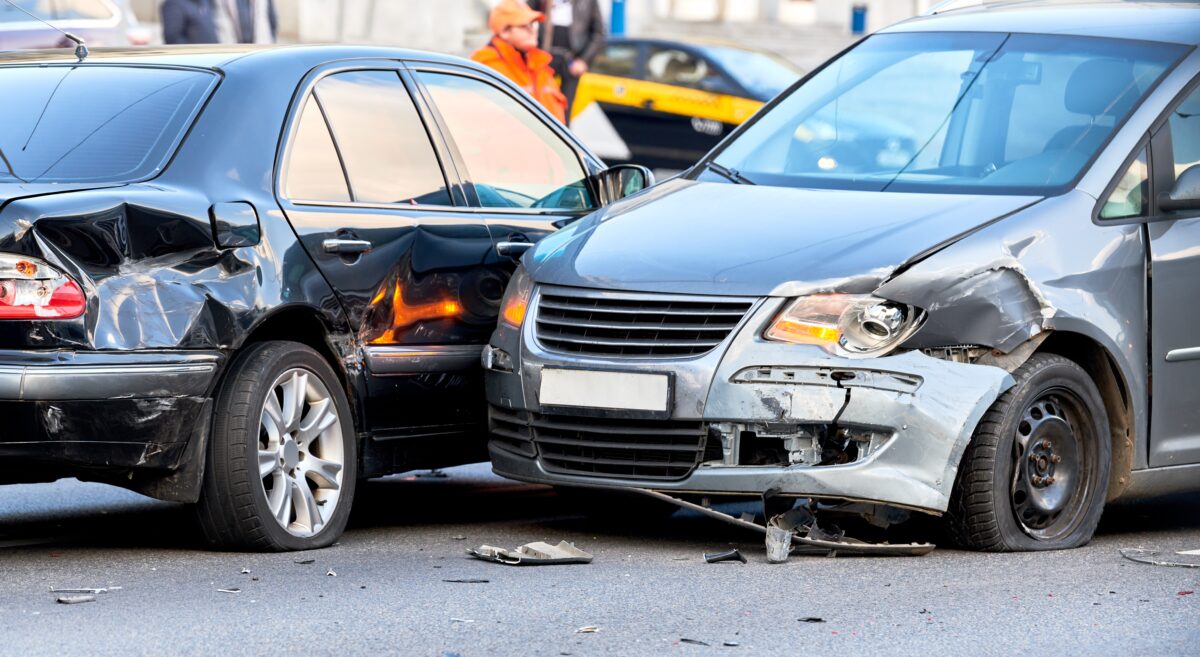 When a car hits you from behind in Michigan, your first job is to stay safe and get checked out, not to argue about fault at the scene. Once the immediate crisis passes, the next critical step is finding a Michigan car accident lawyer who can deal with insurance for you and protect your rights under the state’s no‑fault system.
A rear-end accident in Michigan can seem straightforward, but questions about PIP benefits, serious injuries, and whether you can sue the other driver often aren’t.
The more you understand about how fault, medical documentation, and deadlines actually work after a rear-end crash, the easier it is to see where a lawyer can step in and turn a confusing situation into a clear plan to help you recover compensation for the harm you have suffered due to someone else’s negligent actions.
Contact us online, and let us safeguard your rights and future.
Key Takeaways for Rear-End Accident Claims in Michigan
- Michigan's no-fault system requires you to file for Personal Injury Protection (PIP) benefits through your own insurer, regardless of who caused the rear-end accident.
- In many rear-end collisions, the trailing driver is considered responsible because Michigan law requires drivers to maintain an assured clear distance, though fault depends on the specific facts of each case.
- Michigan law requires injuries to meet the "serious impairment of body function" threshold before you may pursue pain and suffering damages against the at-fault driver.
- Delayed symptoms like whiplash and soft tissue injuries may appear hours or days after a rear-end collision, making prompt medical evaluation important for both health and documentation purposes.
- Michigan's three-year statute of limitations for personal injury claims begins on the accident date, creating a firm deadline for filing any lawsuit.
Who Is at Fault in a Rear-End Accident in Michigan?
Michigan traffic law generally places responsibility on the driver who strikes another vehicle from behind. The legal principle of "assured clear distance" requires drivers to maintain enough space to stop safely, even when the vehicle ahead brakes suddenly. However, fault determination in rear-end accidents is not always straightforward.
The Trailing Driver's Responsibility
When one vehicle strikes another from behind, courts and insurance companies typically find the trailing driver failed to maintain proper control. This conclusion exists because drivers have a legal duty to follow at a distance that allows safe stopping. A driver traveling too closely, distracted by a phone, or failing to notice slowed traffic ahead may bear primary responsibility for the collision.
When the Lead Driver Shares Fault
Certain circumstances may shift some responsibility to the driver who was hit. If a vehicle's brake lights malfunction, for example, the trailing driver may not receive adequate warning of slowing traffic. Sudden lane changes, abrupt stops without justification, or reversing unexpectedly might also factor into fault determination.
Michigan follows a modified comparative fault system under MCL 600.2957 and MCL 600.2959 that affects compensation when both parties share blame. If you bear more than 50% responsibility for the accident, Michigan law bars recovery of non-economic damages like pain and suffering.
How Does Michigan No-Fault Insurance Work After a Rear-End Collision?
Michigan's no-fault system operates differently than insurance in many other states, and rear-end accident victims sometimes misunderstand how coverage applies. The Michigan No-Fault Act requires drivers to carry Personal Injury Protection coverage that pays benefits regardless of who caused the crash.
What PIP Benefits Cover
Your own auto insurance policy provides PIP benefits after a rear-end accident, even when another driver clearly caused the collision. These benefits typically include payment for reasonable medical expenses related to your injuries, wage loss benefits if you miss work during recovery, and replacement services for household tasks you temporarily cannot perform.
The coverage limits depend on your policy selections. Some Michigan drivers carry unlimited lifetime medical benefits, while others chose lower coverage tiers when the state reformed its no-fault law in 2020.
Filing Your PIP Claim Promptly
Notifying your insurance company soon after the accident protects your access to benefits. Michigan law sets deadlines for PIP claims, and delays in reporting may complicate your case. Your insurer owes these benefits under your policy, so filing a claim does not reflect negatively on you as a policyholder.
What Injuries Are Common in Rear-End Crashes?
The sudden impact of a rear-end collision forces your body to absorb energy it was not prepared to handle. Even low-speed impacts may cause injuries that require medical attention and ongoing treatment. Understanding common injury patterns helps you recognize symptoms that warrant evaluation.
Whiplash and Soft Tissue Injuries
Whiplash occurs when the head and neck snap forward and backward rapidly during impact. This motion strains muscles, ligaments, and tendons in the cervical spine region. Symptoms often include neck pain and stiffness, headaches originating at the skull base, shoulder discomfort, and difficulty concentrating.
Medical professionals note that whiplash symptoms frequently appear 24 to 72 hours after the accident rather than immediately. The delay occurs because adrenaline and inflammation responses initially mask pain signals.
Back Injuries and Spinal Concerns
The force of a rear-end impact may cause herniated discs, lumbar strains, or aggravation of pre-existing spinal conditions. These injuries range from temporary discomfort to chronic pain that affects daily activities and work capacity.
Traumatic Brain Injuries
Even without direct head contact, the jarring motion of a rear-end collision may cause a concussion or mild traumatic brain injury. Symptoms like confusion, memory problems, sensitivity to light, and mood changes warrant immediate medical attention.
Can I Sue After a Rear-End Accident in Michigan?
Michigan's no-fault system limits when accident victims may file lawsuits against at-fault drivers. PIP benefits cover economic losses like medical bills and lost wages, but pursuing compensation for pain and suffering requires meeting specific legal thresholds.
The Serious Impairment Threshold
Michigan law permits lawsuits for non-economic damages only when injuries cause serious impairment of body function. Courts define this as an objectively manifested impairment of an important body function that affects your general ability to lead your normal life.
Whether an injury meets the serious impairment threshold depends on how it affects your general ability to lead your normal life. Courts examine the nature and extent of the impairment, how long it lasts, and how it changes your ability to work or perform daily activities. The need for surgery or extensive treatment may be relevant, but it does not automatically determine the outcome.
Third-Party Claims Against the At-Fault Driver
When your injuries meet the serious impairment threshold, you may pursue a third-party claim against the negligent driver. This claim seeks compensation for pain and suffering, loss of enjoyment of life, and economic damages that exceed your PIP coverage limits.
Building a strong third-party claim requires thorough documentation of both the accident and your injuries. Medical records, witness statements, and evidence of how the injuries affected your daily life all strengthen your position.
Contact us online, and let us safeguard your rights and future.
What Steps Help Protect a Rear-End Accident Claim?
The actions you take after leaving the accident scene influence both your health and your legal options. While you cannot change what happened, you have control over how you respond moving forward.
Seeking Medical Evaluation
Prompt medical attention serves two purposes after a rear-end accident. First, it allows healthcare providers to identify injuries that may not yet cause obvious symptoms. Second, it creates documentation linking your injuries to the collision. Insurance companies may question claims when gaps exist between the accident date and initial treatment.
Documenting Your Recovery
Keeping records of your medical treatment, symptoms, and how injuries affect daily activities provides valuable evidence for any claim. Notes about missed work, activities you could not perform, and ongoing pain or limitations help demonstrate the accident's impact on your life.
Communicating Carefully With Insurance Adjusters
Both your own insurer and the at-fault driver's insurance company may contact you after the accident. While you must cooperate with your own PIP carrier, you have no obligation to provide recorded statements or sign releases for the other driver's insurer without understanding what you are agreeing to.
How Long Do I Have to File a Claim in Michigan?
Michigan sets firm deadlines for accident-related claims, and missing these deadlines may eliminate your legal options entirely. The specific timeframe depends on what type of claim you intend to pursue.
The Three-Year Lawsuit Deadline
Michigan's statute of limitations gives you three years from the accident date to file a personal injury lawsuit. This deadline applies to third-party claims against the at-fault driver for pain and suffering and excess economic damages.
While three years may seem like ample time, building a strong case requires investigation, medical documentation, and often negotiation before litigation becomes necessary. Starting the process promptly gives you more options.
PIP Benefit Deadlines
Michigan law also sets deadlines for seeking PIP benefits from your own insurer. Reporting the accident promptly and submitting claims for medical expenses and wage loss within required timeframes protects your access to these benefits.
Michigan's no-fault law also includes a "one-year-back rule" under MCL 500.3145, which generally limits recovery to benefits incurred within one year before a lawsuit is filed. Acting promptly helps you avoid losing older unpaid expenses.
What If the Other Driver Denies Responsibility?
Disputes over fault sometimes arise even in rear-end accidents where liability seems clear. The other driver may claim you stopped suddenly without reason, that your brake lights malfunctioned, or that you somehow contributed to the collision.
Evidence That Helps Establish Fault
Several types of evidence may help clarify what happened and support your version of events. Police reports typically contain the investigating officer's observations and sometimes a fault determination. Witness statements from other drivers or passengers provide independent accounts. Photographs of vehicle damage, skid marks, and the accident scene preserve physical evidence.
Some vehicles contain event data recorders that capture speed, braking, and other data from moments before impact. This objective information sometimes resolves disputes about how the collision occurred.
When Fault Remains Contested
If the other driver's insurer disputes liability, your own PIP coverage still provides benefits for your medical expenses and lost wages. The fault dispute primarily affects whether you may recover pain and suffering damages through a third-party claim.
An attorney may help evaluate the evidence, identify additional sources of information, and determine whether pursuing a disputed claim makes sense given the circumstances.
FAQs for Rear-End Accident Claims in Michigan
Does the severity of vehicle damage affect my injury claim?
Vehicle damage and injury severity do not always correlate directly. Low-speed impacts sometimes cause significant soft tissue injuries, while high-speed collisions occasionally result in minor injuries depending on vehicle design, occupant position, and other factors. Insurance companies sometimes argue that minimal vehicle damage means minimal injuries, but medical evidence of your actual condition matters more than the appearance of the vehicles.
What happens if the driver who hit me has no insurance?
Michigan requires drivers to carry auto insurance, but some operate vehicles illegally without coverage. Your own uninsured motorist coverage may provide compensation if you purchased this optional protection. Additionally, your PIP benefits remain available regardless of whether the at-fault driver carried insurance.
May I choose my own doctor for treatment after a rear-end accident?
Michigan's no-fault system generally allows you to select your healthcare providers for accident-related treatment. Your PIP coverage pays for reasonable and necessary medical care, and you are not limited to providers your insurance company suggests. Choosing physicians who are experienced in treating accident injuries may benefit both your recovery and claim documentation.
How does a chain-reaction rear-end crash affect fault determination?
Multi-vehicle accidents complicate liability analysis because multiple drivers may share responsibility. If Driver C rear-ends Driver B, pushing Driver B into Driver A, the fault distribution requires examining each collision separately. Driver C typically bears significant responsibility, but circumstances like following distances and reaction times for each driver factor into the analysis.
What if my rear-end accident aggravated a pre-existing condition?
Michigan law recognizes that accident victims do not forfeit claims simply because they had prior injuries or conditions. The "eggshell plaintiff" doctrine holds that negligent drivers take their victims as they find them. If a rear-end collision worsens arthritis, aggravates a previous back injury, or accelerates degenerative conditions, you may pursue compensation for the aggravation caused by the accident.
A Rear-End Accident Attorney Who Fights for Fair Compensation
Sorting through insurance claims, medical treatment, and legal options after a rear-end accident takes time and energy you may not have while recovering from injuries. Goodman Acker, P.C. offers complimentary consultations to help Michigan drivers understand their rights and evaluate their options.
Our attorneys work on a contingency fee basis, meaning you pay no fees unless we recover compensation for your claim. With offices in Southfield, Sterling Heights, and Grand Rapids, we serve clients throughout Michigan's Tri-County area and beyond.
If a rear-end accident left you dealing with injuries, insurance questions, or concerns about your legal rights, contact Goodman Acker at 1-800-TRUSTED. We are available 24/7 to review your situation and explain the options available to you.