

- December 15, 2025
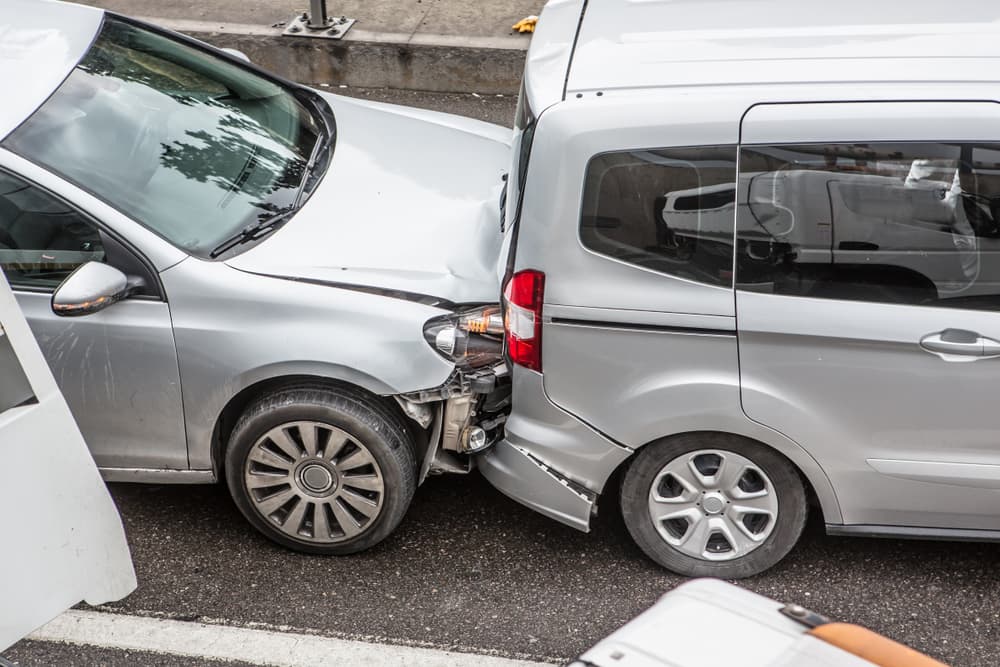
People in Detroit often deal with heavy traffic, unpredictable drivers, and road conditions that shift from one block to the next. After a serious crash, your focus falls on your health and your family. Many people also want to understand where most car accidents occur in Detroit. That question often surfaces after an injury because the location of a crash can reveal why it happened and who should be held accountable.
When someone else’s actions caused the harm you or your loved one suffered, you may want to hold the at fault party responsible and pursue the financial support needed to rebuild your life. Skilled legal representation helps protect your rights and guides your claim from the start. Talk with a car accident lawyer near you for a free consultation at any time.
Key Takeaways: Detroit Car Accident Hot Spots
- Detroit's major intersections and highways see the highest concentration of traffic accidents due to heavy congestion and aggressive driving.
- Understanding Michigan's no fault insurance system is crucial for protecting your rights after any Detroit car accident.
- Poor road conditions and inadequate signage contribute significantly to accident rates on Detroit streets.
- Left turn accidents at busy intersections are among the most common and dangerous collision types in the city.
- Knowing where accidents frequently occur can help you drive more defensively and strengthen your claim if you're injured
Where Do Most Car Accidents Occur in Detroit?
Detroit drivers move between busy intersections, neighborhood streets, and large freeways every day. Each area brings its own risks. Location often helps explain how a collision happened and why injuries occurred.
High Traffic Intersections and Major Roadways
Many Detroit intersections carry heavy congestion throughout the day. Streets such as Woodward Avenue, Gratiot Avenue, and Grand River Avenue handle large traffic volumes that lead to frequent crashes. Drivers often stop and start suddenly, change lanes quickly, or misjudge traffic signals. When vehicles funnel into one area from several directions, even small mistakes lead to rear end crashes or side impact collisions.
Pedestrians and cyclists also face danger here. Constant movement and unclear sightlines often limit reaction time. Busy intersections also attract frequent left turn attempts, which contribute to T bone crashes that cause severe injuries.
Interstate Highways and Freeway Exchanges
Detroit highways such as I 94 and I 75 see thousands of drivers daily. Speeds are high, traffic merges quickly, and drivers often make fast decisions. These roads also experience heavy commercial traffic, which adds to accident risks. Freeway exchanges bring vehicles together from multiple lanes, making sideswipe collisions and rear end crashes more likely.
Rush hour traffic creates unpredictable slowdowns. Drivers who weave between lanes or follow too closely often set the stage for multi vehicle pileups.
Residential Areas and Side Streets
Quiet neighborhoods experience more crashes than many people expect. Drivers sometimes ignore stop signs, speed through residential zones, or fail to watch for pedestrians. Parked cars create blind spots that block views of oncoming traffic. Children often play near the street, and drivers who cut through neighborhoods to avoid congestion sometimes travel faster than they should.
Parking Lots and Commercial Districts
Parking lots frequently produce low speed accidents. Even slow collisions can injure someone when a driver backs out of a space without checking for pedestrians. Shopping centers, grocery stores, and other commercial districts bring both vehicle congestion and heavy foot traffic. Tight spaces, unclear visibility, and distracted drivers all contribute to accidents.
What Are the Most Dangerous Intersections in Detroit?
Some Detroit intersections consistently appear in crash data due to high volumes of cars, complicated layouts, and frequent driver errors. WXYZ Detroit listed the most dangerous intersections for crashes in the Motor City, with the number of injuries and fatalities reported in a recent year.
- 7 Mile Rd. at I-75: 71 total crashes with 22 injuries
- Joy Rd. at M 39: 66 total crashes with 24 injuries
- Warren Ave. at I-75: 53 total crashes with 25 injuries
- 8 Mile Rd. at Gratiot Ave: 53 total crashes with 11 injuries
- Livernois Ave. at W Davison St.: 52 total crashes with 8 injuries
- Conant St. at E Davison St.: 48 total crashes with 10 injuries
- 8 Mile Rd. at I-75: 48 total crashes with 9 injuries
- M 10 at I-94: 45 total crashes with 11 injuries
- 8 Mile Rd. at Mound Rd.: 45 total crashes with 11 injuries and 1 fatality
- M 39 at Warren Ave.: 44 total crashes with 6 injuries.
Why Do So Many Accidents Happen on Detroit Highways?
Detroit highways carry large numbers of commuters and commercial vehicles. Several factors make these areas more dangerous than others.
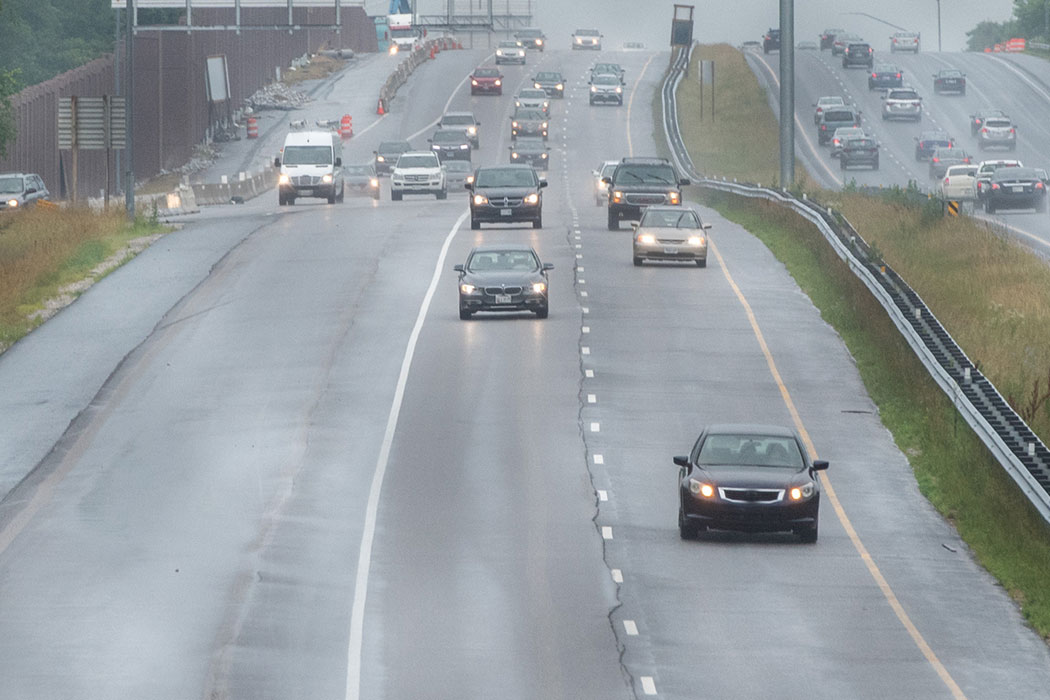
I 94 and I 75: The City's Most Dangerous Corridors
These major corridors carry heavy daily traffic. High speeds, merging vehicles, and frequent slowdowns lead to many severe crashes. Even a brief lapse in attention can cause a high impact collision.
High Speeds and Aggressive Driving Behaviors
Some drivers speed, tailgate, or weave through traffic. High speeds reduce reaction time. When a driver makes a sudden movement, nearby vehicles may not have enough space to avoid a crash.
Poor Road Maintenance and Construction Zones
Many Detroit highways need ongoing repairs. Uneven pavement, cracks, and construction zones add to the danger. Narrowed lanes force drivers to adjust quickly. Construction areas often confuse drivers who aren’t sure where to turn or merge.
Weather Related Hazards on Metro Detroit Freeways
Snow, ice, and rain reduce traction and visibility. Detroit winters often leave slick surfaces that make braking difficult. Sudden storms can cause hydroplaning or skidding. Drivers who fail to slow down contribute to chain reaction crashes.
What Role Does Road Condition Play in Detroit Accidents?
Road conditions influence how vehicles move and how drivers respond to hazards.
Potholes and Deteriorating Infrastructure
Potholes cause blown tires and sudden swerving. When drivers react quickly, they may lose control or move into another lane. Damaged roads also wear down vehicles and limit steering control.
Inadequate Lighting and Signage
Dim lighting reduces visibility at night. Missing or damaged signs confuse drivers, especially in unfamiliar areas. When a driver misses a sign, they may fail to yield or turn incorrectly.
Poorly Marked Lane Divisions
Some Detroit streets have faded lane lines. Without clear markings, drivers drift between lanes or turn from the wrong position. This confusion often leads to sideswipe crashes or front end collisions.
Michigan's Governmental Immunity Laws and Road Defect Claims
Michigan limits lawsuits against government agencies. Drivers may pursue road defect claims only under specific conditions:
- Governmental immunity protects public agencies from many lawsuits.
- You must show the agency knew about the hazard and had time to fix it.
- Claims must follow strict notice rules.
- Damages may be limited depending on the circumstances.
Common Types of Accidents at Detroit Intersections
Detroit intersections produce many serious collisions because drivers make quick choices that affect everyone around them.
Left Turn Collisions
Left turns create risk because drivers must judge speed and distance accurately. Misjudgment often leads to T bone crashes, which strike the side of a vehicle and cause serious injuries.
Rear End Accidents at Traffic Signals
Sudden stops and distracted driving contribute to many rear end collisions. Rush hour traffic makes these crashes even more common. Even slow impacts may injure someone’s neck or back.
T-Bone Crashes and Right of Way Violations
Running red lights or failing to yield leads to T-bone crashes. These collisions often cause severe harm because vehicles offer less protection on the side.
Pedestrian and Bicycle Accidents at Crosswalks
Detroit sees a high number of pedestrian collisions. Drivers sometimes focus on traffic instead of people crossing the street. Poor lighting or blocked sightlines also make these accidents more likely.
How Does Michigan's No Fault Insurance System Apply to Detroit Accidents?
Michigan’s no fault system provides benefits through your own insurance, regardless of fault.
Personal Injury Protection PIP Benefits
PIP covers medical care and certain related costs. Key points include:
- PIP pays for treatment linked to the accident.
- Some policies include payments for lost income.
- Coverage limits depend on the policy you selected.
Property Protection Insurance PPI Coverage
PPI covers property damage your vehicle causes to objects such as fences or buildings within Michigan. State law sets the maximum payout for these claims.
When You Can Step Outside No Fault: The Serious Impairment Threshold
Certain injuries let you pursue a liability claim against the responsible driver. The serious impairment threshold means:
Your injury must affect your ability to live your normal daily life.
Medical documentation often plays an important role.
Meeting the threshold allows you to pursue damages from the at fault driver.
Residual Liability Claims Against At Fault Drivers
These claims help address losses not covered by no fault benefits. They may apply when injuries have lasting effects that create expenses beyond your PIP limits.
What Should You Do Immediately After a Detroit Car Accident?
Accidents create stressful moments, but a few simple steps help protect your health and your claim.
Document the Accident Scene and Location
Use photos and videos to capture the scene. Include skid marks, weather conditions, traffic lights, and damage. These details help explain what happened and may support your claim.
Seek Medical Attention and Preserve Evidence
Some injuries appear later. A medical check connects your injuries to the crash. Keep medical records, notes, and receipts to support your claim.
Report the Accident to Police and Your Insurance Company
A police report documents what happened. Contact your insurance company soon after and share only accurate information about the crash.
Understand Michigan's One Year Notice Requirement
Some benefits require notice within one year. Missing this deadline may limit your ability to pursue certain claims, so early action helps protect your rights.
How Location Affects Your Car Accident Claim
Crash location often shapes how investigators and insurance companies view a claim.
Establishing Liability Based on Accident Location
Accidents in known problem areas may reveal likely causes. For example, a crash at a spot known for speeding may involve driver behavior. Intersections with frequent left turn crashes often share patterns that help explain fault.
Using Accident Statistics and Data in Your Case
Data about dangerous intersections or high crash zones may support your claim. Showing that your crash occurred in a documented danger area helps explain why it occurred.
Traffic Camera and Surveillance Footage Availability
Detroit intersections and nearby businesses often have video cameras. Footage may show driver behavior, weather, speed, or visibility, giving strong support for your claim.
Expert Testimony About Dangerous Locations
Professionals familiar with traffic flow or roadway design sometimes explain why an area produces frequent accidents. Their testimony may show how road design, visibility, or layout contributed to the crash.
How Our Firm Can Help
Goodman Acker PC understands Detroit’s unique roadway patterns and how accident location shapes liability. Our team studies crash scenes, reviews videos, gathers statements, and analyzes traffic data. We help clients with no fault claim forms, insurer discussions, and documentation so they can focus on recovery.
We work to pursue compensation that reflects medical bills, missed income, and the ways injuries affect daily life. When an insurance company refuses to take responsibility for harm caused by its policyholder, we push the claim forward and pursue accountability. Our team stays with you throughout the process and answers your questions along the way.
Frequently Asked Questions About Dangerous Locations for Car Accidents in Detroit
What is the deadliest road in Detroit?
I-94 often records the highest number of serious crashes due to high speeds, frequent merging, and constant congestion.
Can I sue the city of Detroit if a pothole caused my accident?
Sometimes, yes. You must show the city knew about the pothole and had enough time to repair it. Strict notice rules apply, so act quickly.
How long do I have to file a car accident claim in Michigan?
Most personal injury claims must be filed within three years, and certain no fault benefits require action within one year.
Does it matter if my accident happened in a construction zone?
Yes. Construction zones often create confusing or narrow paths. Drivers must adjust to these conditions. Unsafe behavior in the zone may support your claim.
What if the other driver doesn't have insurance in Michigan?
You may have uninsured motorist coverage through your own policy. This coverage helps when the at fault driver has no insurance or leaves the scene.
Contact Our Car Accident Lawyers in Detroit Today

Timing plays a major role in building a strong claim. Evidence may fade and witnesses may forget details if too much time passes. Goodman Acker PC knows Detroit roadways and understands how accident location affects your case. You can speak with us about your accident at no cost. Contact us today for your free consultation and learn how we can help you move forward.