

A property owner who fails to keep their premises safe in Southfield can be held liable when someone gets hurt, and Goodman Acker handles those claims. The hard part is what comes after the injury: the property owner’s insurer goes to work protecting their number, not yours.
The adjuster stops returning calls or keeps every conversation drifting toward a figure that does not reflect what happened to you. They ask for medical records, knowing they can use them to dispute your claim. They note the hazard was visible and ask whether you were distracted or wearing the right shoes. These are not neutral questions.
That gap between what a property owner’s insurer offers and what a case is genuinely worth is where most premises liability claims are lost, not in court. In the weeks after the injury, when documentation disappears, surveillance footage overwrites, and property managers quietly repair the exact condition that caused the fall.
At Goodman Acker, our Southfield premises liability lawyers move before that happens. Before the evidence is gone and before the property owner’s insurer has shaped the narrative. Call Goodman Acker for a free case review to get started.
What Changed in Michigan, and Why It Matters to Your Case
For years, property owners in Michigan had a reliable escape hatch. If a hazard was visible, they could argue it was “open and obvious” and walk away from nearly any premises liability claim before it reached a jury. Courts dismissed cases routinely under that framework regardless of how careless the property owner had been.
That changed when the Michigan Supreme Court ruled in Kandil-Elsayed v. F&E Oil, Inc., and its companion case eliminated the automatic dismissal rule. Visible hazards no longer end a claim outright. Instead, a property owner’s awareness of the condition and their failure to address it becomes part of a comparative fault analysis, one that a jury weighs, not a judge deciding a motion before trial ever begins.
 This is a real shift. Property owners and their insurers know it. Cases that would once have been dismissed can now proceed, and the factual record you build in the weeks after an injury determines whether proceeding produces a result worth having.
What Michigan law actually requires: property owners must keep their premises reasonably safe. The standard varies depending on your status on the property. Customers, tenants, and business invitees are owed the highest duty: property owners must inspect, identify hazards, and address them.
Social guests must be warned about known hidden dangers. Even a visible hazard does not end the inquiry. Courts now ask whether the property owner acted reasonably, given everything they knew.
If a property owner’s negligence put you in this position, the record you build now decides what your claim is worth later. Call Goodman Acker today for a free case review, before the evidence disappears.
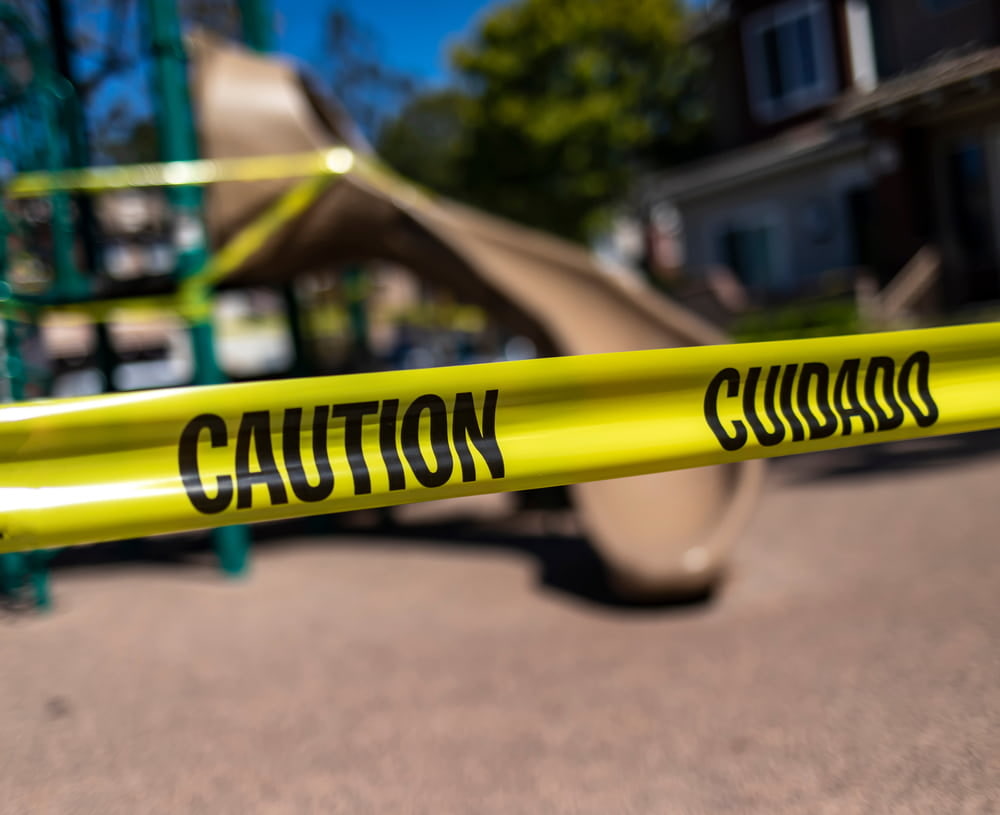
Southfield’s Commercial Landscape Creates Specific Injury Patterns
Southfield is not a bedroom community. It is one of the densest commercial corridors in Metro Detroit, and that density produces injury patterns worth understanding before you assume your situation is routine.
The office tower network along Northwestern Highway and the Southfield Town Center draws thousands of workers and visitors daily. Multilevel parking structures are chronic problem sites: oil-slicked ramps, poorly lit stairwells, pedestrian crosswalks that freeze without treatment, and deferred maintenance that property managers keep deferring. These are not freak accidents. They are predictable failures in high-traffic environments where owners have both the means and the notice to act.
The retail corridor along Telegraph Road, from 9 Mile north through 12 Mile, includes dozens of commercial properties with large surface parking lots, outdoor walkways, and entryways that take a beating from Michigan winters.
Freeze-thaw cycles are relentless from November through March. Ice forms at building entrances overnight when a property manager delays salting. Snow cleared to the edge of a walkway refreezes by morning.
A property owner who had the time and resources to address that condition, and chose not to, carries legal exposure that the Kandil-Elsayed ruling makes harder to avoid.
Southfield’s medical office buildings and professional complexes present different hazards in interior common areas, elevator lobbies, and restrooms, where housekeeping failures create slip conditions for visitors who may already be unsteady on their feet. These properties draw heavy foot traffic from people arriving for appointments, which raises the duty to keep shared interior spaces clear.
Apartment buildings throughout Southfield’s residential zones carry a duty under Michigan’s landlord statute, MCL 554.139, to keep shared areas like stairways, walkways, and entrances fit for their intended use, and Michigan courts have enforced that obligation in injury cases.
A property manager who receives written maintenance requests about a specific stairwell and does nothing has actual notice of the hazard. That distinction between actual notice and constructive notice can significantly affect how a case resolves.
The age of Southfield’s commercial infrastructure contributes too. Sidewalks and parking fields along older commercial corridors like 9 Mile and 10 Mile show heavy freeze-thaw deterioration, and properties with large parking lots frequently defer resurfacing past the point where cracked, uneven asphalt becomes a recurring complaint rather than an isolated finding.
That distinction matters legally. A property owner who has received written notice of a specific hazard and done nothing about it has a much harder time arguing they acted reasonably than one where the hazard had no documented history. Building the record of what the owner knew and when they knew it is often the most consequential work in a premises liability case.
The Injuries Are Serious. The Financial Exposure Is Larger Than Most People Expect.
Hip fractures from falls are among the most consequential injuries our attorneys handle, particularly for older adults, and they often carry long recoveries and lasting limits on physical capacity. Traumatic brain injuries from falls can affect work, relationships, and daily function for years.
Knee and shoulder injuries from falls on wet floors or uneven surfaces frequently lead to surgery and extended rehabilitation. Spinal injuries from stairway falls range from those that respond to treatment to permanent impairment requiring lifetime care. Each carries financial exposure that most people underestimate.
Michigan imposes no cap on non-economic damages in standard premises liability cases. Economic damages include past and future medical expenses, lost wages, reduced earning capacity, and household services the injured person can no longer perform. Non-economic damages address pain and suffering, loss of enjoyment of daily activities, and the relational impact of serious injury.
The mistake most people make is accepting an early settlement before the medical picture is complete. An injury that looks like a straightforward soft tissue case in the first weeks can develop into something requiring surgery months later. An insurer that makes an early offer is often doing so precisely because they want to close the file before that development happens.
A firm that calculates both damage categories comprehensively before any demand goes out protects against that outcome. Goodman Acker has secured a $2.1 million premises liability settlement in Oakland County. Results may vary. Prior case outcomes do not guarantee similar results.
If you are weighing an early offer against what your claim could be worth, talk to us before you sign anything. Call Goodman Acker for a free case review.
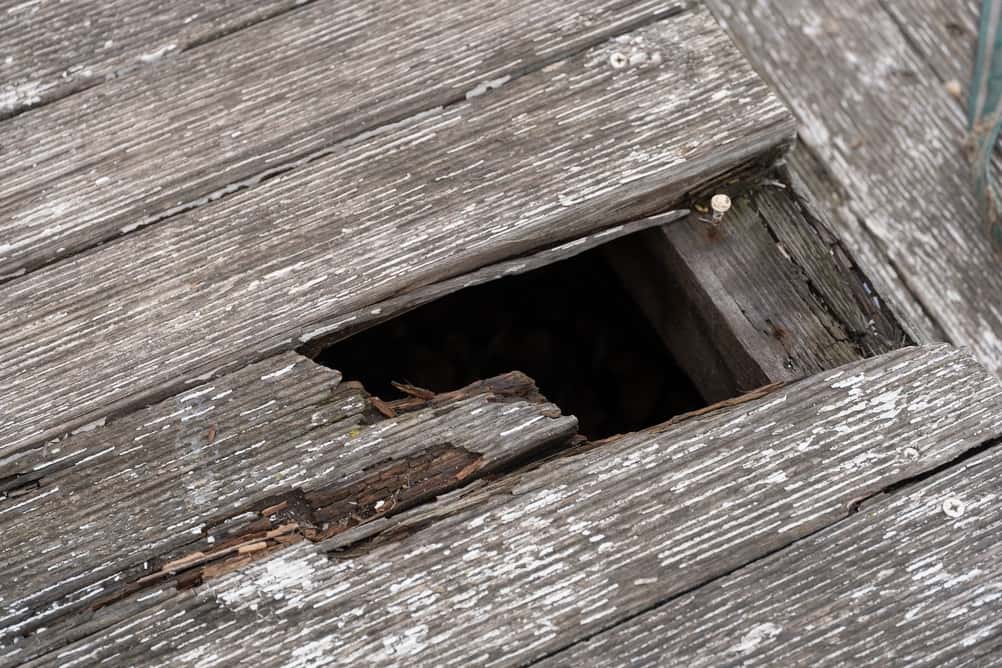
How We Build the Case
Physical conditions change. Properties get repaired. Incident reports get filed, then filed away. Surveillance footage has retention cycles measured in days.
When you retain Goodman Acker, we send preservation letters to the property owner and their insurer immediately, requiring them to retain all records related to the condition that caused your injury, including maintenance logs, inspection schedules, prior incident reports, and surveillance footage. We photograph the scene before conditions are altered.
We identify every potentially responsible party, because liability can extend beyond the visible owner to management companies, maintenance contractors, and commercial tenants, depending on who actually controlled the condition at issue.
We build the medical record from the beginning, working alongside your treating providers to ensure that functional limitations appear in the chart alongside diagnoses. A medical record that documents what you can no longer do is more legally useful than one that only records what was injured.
Settlement discussions in premises liability cases move differently from auto accident claims. General liability insurers evaluate these cases by looking closely at prior incidents on the same property, whether the owner maintained a formal inspection schedule, and how clearly the injured person’s limitations are documented.
We prepare for that scrutiny before the first demand letter goes out, obtaining prior incident logs through discovery, subpoenaing maintenance records, and retaining safety experts when a property’s inspection practices fall below applicable industry standards.
We have worked with structural engineers, premises safety consultants, and occupational therapists who can translate physical limitations into language that resonates with an Oakland County jury. That preparation is what drives results, whether the case settles or goes to trial.
Answers to Questions That Actually Come Up in These Cases
The property owner is saying the hazard was obvious, and I should have watched where I was going. Does that kill my claim?
No. Under the Kandil-Elsayed framework, whether a hazard was visible is a factor in comparative fault analysis, not a grounds for dismissal. A jury weighs the owner’s failure to address a known condition against any fault on your part. Your claim is not over because the owner can point to something you theoretically could have seen.
I was hurt in a government-owned facility, such as a city building or a public parking structure. Is that claim handled differently?
Yes. Government claims carry shorter deadlines than standard premises cases. An injury in a public building generally requires notice within 120 days under MCL 691.1406, and a claim against the State runs through the Court of Claims with a 6-month deadline under MCL 600.6431. Missing either can bar your claim, so speak with an attorney right away.
There is no surveillance footage, and the only written record is the incident report I signed at the scene. Is that enough?
Often, yes. Incident reports are controlled by the business and written to protect the property owner, not to document your injury. What matters more is what can still be obtained: maintenance logs, inspection records, complaints from other customers or tenants, and testimony from anyone who witnessed the incident or the condition over time.
My injury happened on a property where a tenant operates, but the landlord owns the building. Who is responsible?
It depends on who controlled the specific condition that caused your injury. Many commercial leases assign parking lot and common area maintenance to the landlord; others transfer that duty to the tenant, and some involve a management company with separate obligations. The lease, the maintenance contract, and actual practice all bear on who we name in a claim.
I delayed going to the doctor for several days after I fell. Does that hurt my case?
It can create an issue that the insurer will raise. A gap between the injury and first treatment lets adjusters argue the injury was not serious or came from something else. It does not end your claim, but your attorney has to address it directly when building the damages narrative. The sooner you begin treatment and document your condition, the stronger that narrative is.
When the Property Owner Is the One Who Was Not Paying Attention
 Goodman Acker has spent decades handling serious injury cases in Oakland County and across Southeast Michigan. We know how general liability insurers evaluate premises claims, which experts carry weight in this jurisdiction, and how to prepare a case that holds up whether it settles at mediation or goes before a jury.
If you were hurt because a property owner failed to maintain conditions they knew or should have known were dangerous, your situation calls for a clear-eyed assessment, not a form letter and a lowball offer.
Goodman Acker’s Southfield premises liability lawyers offer free consultations with no obligation to retain us. Call 248-861-8100 or reach out online. The conversation costs nothing. The delay might.
We handle premises liability cases throughout Oakland County, including Southfield, Royal Oak, Troy, Farmington Hills, and surrounding communities.

LEGALLY REVIEWED BY BARRY J. GOODMAN
Barry J. Goodman has devoted his professional life to keeping courthouse doors open for victims seeking justice. Always a tireless advocate for his own clients, Goodman sees his responsibility as a Detroit personal injury attorney in a broader sense as well. [ Attorney Bio ]


ABOUT GOODMAN ACKER
Why Choose Us