
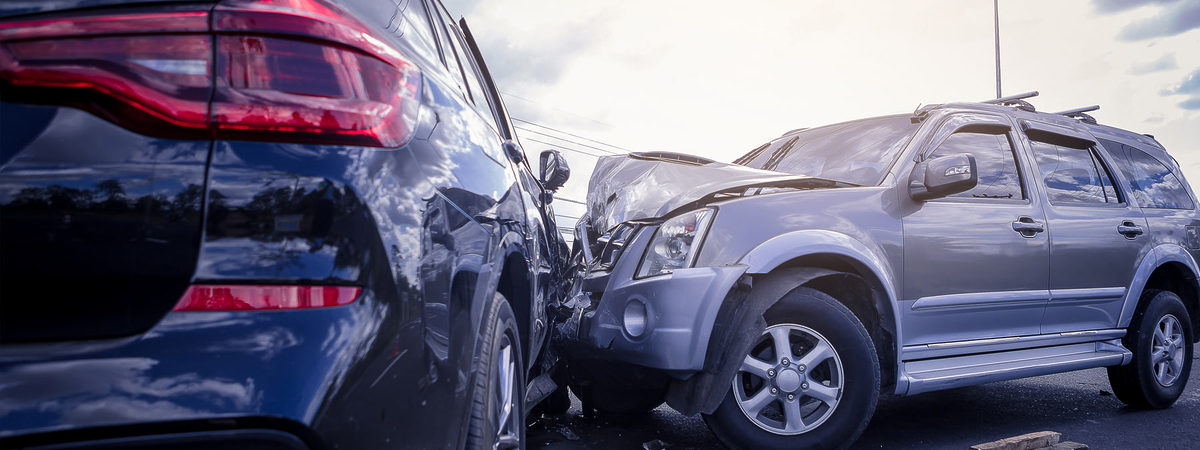
After a Southfield crash caused by another driver, Michigan’s No-Fault system gives you two paths to recovery: PIP benefits for your medical bills and lost wages, and a claim against the at-fault driver for serious injuries. Goodman Acker helps you use both and protect your claim from the start.
The crash patterns here are no accident. Telegraph at 12 Mile ranks among Michigan’s most dangerous intersections, and corridors like Northwestern Highway and I-696 pack constant lane changes and close-call braking into every commute. When a crash happens, what you do in the first weeks shapes how your recovery unfolds.
PIP Covers These Core Losses
- Medical expenses: All reasonable and necessary care tied to your crash injuries, including surgery, hospitalization, rehabilitation, prescriptions, diagnostic imaging, physical therapy, and follow-up treatment, up to your selected coverage limit. In serious cases, ongoing care can continue long after the damaged vehicle is gone from the roadway.
- Wage loss: If injuries prevent you from working, PIP replaces a portion of your income for up to three years from the crash date under MCL 500.3107(1)(b). For many Southfield families, that benefit becomes critical when missed paychecks begin colliding with rent, mortgage payments, or medical co-pays.
- Replacement services: Up to $20 per day for household tasks you can no longer perform, such as cooking, cleaning, grocery shopping, childcare support, or yard work, for up to three years after the collision.
When You Can Sue the At-Fault Driver Directly
PIP covers economic losses. It covers nothing for the pain that keeps you awake at 3 a.m., the hobbies you can no longer do, or the strain a serious injury puts on your marriage and family. To recover those non-economic damages, you file a tort liability claim against the driver who caused the crash.
 Michigan law requires your injuries to meet a defined standard before that door opens. Under MCL 500.3135, your injury must be an objectively manifested impairment of an important body function that affects your general ability to lead your normal life. Courts have refined this standard over the years, and insurance defense attorneys know every argument to minimize it.
The threshold is not a formality. Spine injuries, traumatic brain injuries, torn ligaments, and nerve damage regularly qualify. Soft tissue strains that resolve quickly often do not.
A Southfield car accident attorney at Goodman Acker evaluates this threshold early in every case. If your injuries cross it, the case strategy expands significantly. If they sit near the line, documentation becomes critical because the quality of your medical records can move that outcome.
What the Roads Around Southfield Actually Look Like
Heavy Commute Corridors Create Constant Conflict Points
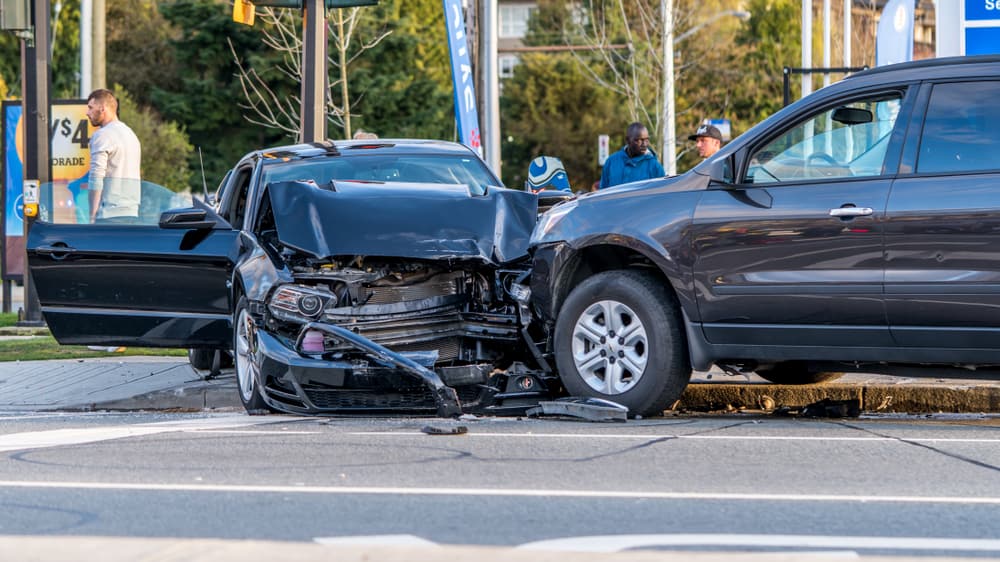
Southfield is a dense commercial and office hub, not a quiet suburb. The city sits at the intersection of multiple high-volume commute corridors, and the traffic volume shows it. Telegraph Road slices north-south through the city, carrying a constant mix of commercial vehicles, delivery trucks, and passenger cars.
Northwestern Highway connects Southfield to both downtown Detroit and the western suburbs, compressing thousands of daily commuters into a corridor that runs through active retail zones with frequent turn movements and signal cycling.
I-696 skims the southern edge of the city and feeds into some of the most congested freeway merges in Oakland County. The interchange behavior at Southfield Road and I-696 has historically generated rear-end crashes and sideswipes as drivers misjudge closing distances at speed. In wet or icy conditions, those misjudgments become serious.
Southfield Traffic Changes Throughout the Day
Southfield’s traffic patterns also change sharply throughout the workday because the city concentrates office buildings, medical facilities, and retail centers. Short-distance trips between parking lots, service drives, and major intersections create constant turning movements that increase collision risk even outside traditional rush hour periods.
Drivers unfamiliar with the area often underestimate how quickly traffic backs up near freeway exits, especially during winter weather or construction season, when visibility and braking distance become more dangerous.
Southfield’s winters add their own hazard. Road spray, reduced visibility, and pavement broken up by repeated freeze-thaw cycles all raise crash risk through the colder months, and a driver who loses control on an untreated road does not erase the other driver’s liability.
Distracted driving remains the most cited contributing factor statewide, but in a city with this many lane changes, merges, and commercial driveways per mile, inattention carries higher consequences than on open roads.
What Insurance Adjusters Measure From the Day You Call
The at-fault driver’s liability carrier opens a file the same day the crash is reported. They assign an adjuster whose job is to close that file for as little money as possible. That is not cynicism. It is how liability insurance works.
An adjuster will look for gaps in your medical treatment as evidence that your injuries are not serious or that something other than the crash caused them. They will pull your prior medical records, looking for pre-existing conditions to argue your current injuries were there before the collision.
If you gave a recorded statement before consulting an attorney, they will compare it word-for-word against later statements and medical records for inconsistencies. The bodily injury liability minimums in Michigan are $250,000 per person and $500,000 per occurrence, which is substantially higher than most states, but those limits do not mean you receive a fair offer automatically.
A high policy limit gives an insurer more room to defend a case aggressively. A skilled car accident attorney knows the internal benchmarks adjusters use and what it takes to move a claim from an initial low offer to a number that reflects the actual long-term impact.
Adjusters also monitor how quickly you return to normal routines. Missed follow-up appointments, long treatment gaps, or social media posts showing physical activity can all become part of the insurer’s evaluation.
In higher-value cases, insurers sometimes hire outside medical reviewers to argue that additional treatment is unnecessary or unrelated to the collision. That is why documentation matters so much after a Southfield crash. The records created in the first several weeks often shape how the claim is valued months later.
How Goodman Acker Builds a Southfield Crash Claim
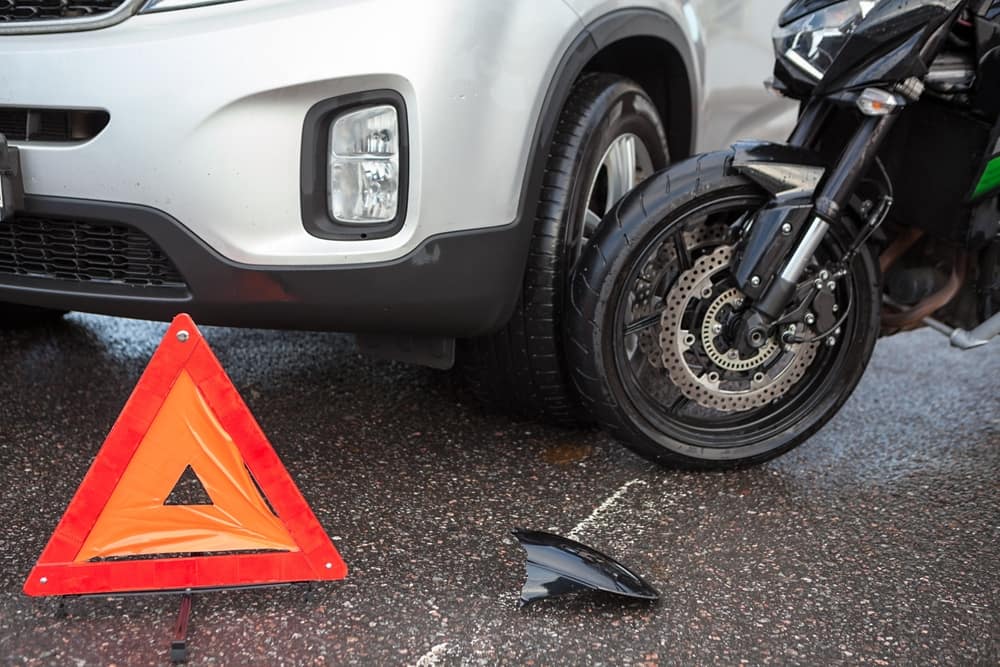
Cases are won or lost on evidence gathered in the first weeks after a crash. Our lawyers begin the investigation before the at-fault driver’s insurer finishes its initial review. Crash scene reconstruction: We obtain the police report immediately and, where the facts are disputed, work with accident reconstruction specialists who can analyze skid marks, vehicle damage patterns, and roadway geometry.
Surveillance and traffic camera footage: Southfield’s commercial corridors have cameras on retail properties and at major intersections. That footage overwrites on a rolling basis. Requests to preserve it have to go out fast.
Medical documentation: We work alongside your treating physicians to ensure that your records accurately describe your functional limitations, not just your diagnosis. A medical record that says ‘cervical strain’ does less legal work than one that documents the specific movements you can no longer perform.
Economic loss calculation: Lost wages, reduced earning capacity, future medical costs, and household services all require documentation and, in serious cases, specialist analysis. We calculate the full long-term picture before any settlement conversation starts.
Our attorneys also handle communications with both your PIP insurer and the at-fault driver’s liability carrier. Recorded statements, signed authorizations, and unsolicited correspondence are the three main ways claimants inadvertently weaken their own cases. We manage those channels.
Cases Goodman Acker Handles in Southfield
- Rear-end crashes on I-696 and Telegraph Road
- T-bone and intersection collisions at Southfield Road and 12 Mile Road
- Multi-vehicle pileups in highway construction zones
- Drunk and drugged driver collisions
- Distracted driving crashes, including those involving commercial vehicle operators
- Crashes caused by defective traffic signals or road hazards
- Hit-and-run accidents handled through the Michigan Assigned Claims Plan
- Rideshare crashes involving Uber and Lyft insurance layers
Each case type comes with its own insurance structure and liability questions. Rideshare crashes, for example, involve three separate insurance tiers depending on whether the driver was actively carrying a passenger. Commercial vehicle crashes often implicate employer liability under the respondeat superior doctrine, the rule that holds an employer responsible for harm its employee causes on the job. We identify every responsible party before filing.
Michigan’s Deadline for Filing a Car Accident Claim
Under MCL 600.5805(2), the standard personal injury statute of limitations in Michigan is three years from the date of the crash. Missing that deadline almost always ends the case permanently, regardless of how strong the evidence is.
There are narrower deadlines inside the system as well. PIP claims require written notice to your insurer within one year of the accident under MCL 500.3145. For claims against a government entity, such as when poor road maintenance contributed to the crash, the notice period under the Michigan Court of Claims Act can be as short as six months.
An attorney who knows these deadlines protects your right to file before any of them close.
Questions From Southfield Crash Victims: Answered Honestly
I have No-Fault insurance. Do I still need a lawyer?
Possibly. A minor PIP claim that resolves quickly may not need one. But if your insurer disputes coverage or the necessity of treatment, or your injuries meet the threshold for a tort claim against the at-fault driver, a lawyer changes the outcome. PIP disputes and tort claims run on different rules, deadlines, and evidence.
The other driver had minimum coverage. Can I still recover for serious injuries?
Often, yes. If your injuries qualify for a tort claim under MCL 500.3135, you pursue the at-fault driver’s liability policy. If your damages exceed their coverage, your own uninsured/underinsured motorist coverage, if you bought it, can fill part of the gap. We analyze every available coverage source before treating a policy limit as the true ceiling.
The adjuster said the crash aggravated a pre-existing back injury, which limits my claim. Is that true?
No. Michigan law does not allow an insurer to avoid liability simply because you had a prior condition. The legal standard addresses whether the crash worsened your condition or accelerated a pre-existing problem. If the collision caused a disc that was asymptomatic to become painful and debilitating, that is compensable harm. Strong medical documentation is the answer to this argument.
I was partly at fault. Does that end my case?
Usually not. Under Michigan’s modified comparative fault rule, MCL 600.2959, you can recover as long as you are not more than 50% at fault, with your damages reduced by your share. At 20% fault on $200,000 in damages, you recover $160,000, not zero. Insurers push for a higher percentage; we counter with evidence.
My car is totaled. Is that handled under No-Fault?
No. PIP does not cover damage to your own vehicle. You would use your own collision coverage if you have it, or pursue the at-fault driver’s property damage liability coverage. The mini-tort provision under MCL 500.3135(3) also lets you recover up to $3,000 directly from an at-fault driver for vehicle damage your own insurance does not cover.
How long does a Southfield car accident case take to resolve?
It varies. Clear liability, well-documented injuries, and cooperative insurers can settle in three to six months. Disputed liability, serious injuries with ongoing treatment, or claims that go to litigation can take one to three years. We do not push clients to settle before the medical picture is clear, because early settlement closes your right to recover for later complications.
The Next Move Is Yours, and It Costs Nothing to Make It
Insurance adjusters move quickly. Evidence disappears. Coverage deadlines pass. The longer you wait after a Southfield crash, the narrower your options become.
Goodman Acker offers a free, no-obligation case review. Our Southfield car accident attorneys have helped clients recover compensation for medical costs, lost income, and long-term disability across Oakland County and throughout southeast Michigan. We work on contingency, which means you pay nothing unless we recover for you. Call 248-861-8100 for a free case review.

LEGALLY REVIEWED BY BARRY J. GOODMAN
Barry J. Goodman has devoted his professional life to keeping courthouse doors open for victims seeking justice. Always a tireless advocate for his own clients, Goodman sees his responsibility as a Detroit personal injury attorney in a broader sense as well. [ Attorney Bio ]

ABOUT GOODMAN ACKER
Why Choose Us