

Getting hurt because of someone else’s choices is hard enough without having to argue with an insurance company about it. You should have a local team you can talk to, plainly and honestly, about what comes next.
Goodman Acker, P.C. is a Grand Rapids personal injury lawyer team with an office on East Beltline Avenue SE, representing people injured in car crashes, truck collisions, falls, dog attacks, and other accidents across Kent County and West Michigan.
We explain how Michigan law applies to your injury and pursue the benefits and compensation that law allows.
If you were hurt in Grand Rapids or elsewhere in West Michigan, contact Goodman Acker to talk with our team about your situation.
Do You Need a Personal Injury Lawyer After an Accident in Grand Rapids?

Not every injury requires a lawyer, but many Grand Rapids injury claims benefit from legal help once the injuries are serious, fault is disputed, or more than one insurer is involved.
Michigan’s no-fault rules, notice deadlines, and comparative fault law can each change the outcome of a claim.
Situations where talking with a personal injury lawyer is often worthwhile include:
- Injuries that require ongoing treatment, surgery, or time away from work
- An insurer that denies, delays, or cuts off no-fault benefits
- A dispute over who caused the crash or fall
- A crash involving a commercial truck, a rideshare vehicle, or a government vehicle
- An injury to a child or the death of a family member
- A settlement offer that arrives before you know the full extent of your injuries
An early conversation can help you understand which deadlines apply before any of them pass. It can also prevent common missteps, such as signing a release too soon.
What Injury Claims Does Goodman Acker Handle in Grand Rapids?
Goodman Acker handles a range of personal injury claims for people in Grand Rapids and the surrounding communities, with motor vehicle crashes at the center of our work. Each type of claim follows its own set of Michigan rules.
Car Accidents
Most Grand Rapids car accident claims begin with no-fault personal injury protection (PIP) benefits from the injured person’s own household policy.
A claim against the at-fault driver for pain and suffering becomes available when the injury meets the serious impairment threshold in MCL 500.3135.
Truck and Commercial Vehicle Crashes
Crashes with semi-trucks and delivery vehicles can involve the driver, the motor carrier, and the companies that loaded or maintained the truck. Federal safety records, such as driver logs and inspection reports, often play a central role in proving fault.
Slip and Fall and Premises Liability
Property owners in Michigan must use reasonable care to protect customers from unsafe conditions, including West Michigan’s winter ice and snow.
Since the Michigan Supreme Court’s decision in Kandil-Elsayed v. F & E Oil, a visible hazard no longer automatically defeats a claim, and the question becomes whether the owner acted reasonably.
Dog Bites
Michigan holds a dog’s owner liable when the dog bites a person who did not provoke it and was lawfully present, under MCL 287.351. The owner’s knowledge of the dog’s history is not required.
Defective Products
When a defective product causes injury, the manufacturer, distributor, or seller may be responsible. Keeping the product and any packaging or instructions is an important early step.
Wrongful Death
When an accident is fatal, a wrongful death claim under MCL 600.2922 is brought by the personal representative of the estate on behalf of the family. These claims can include funeral expenses, lost financial support, and the loss of companionship.
Which Michigan Laws Shape a Grand Rapids Injury Claim?
A handful of Michigan rules control nearly every personal injury claim in Grand Rapids. Knowing them early helps set realistic expectations and protects the claim from avoidable mistakes.
| Michigan rule | What it means for your claim |
|---|---|
| Three-year statute of limitations | Most injury lawsuits must be filed within three years under MCL 600.5805 |
| One-year no-fault notice | Written notice of a PIP claim must reach the insurer within one year of a motor vehicle crash |
| Serious impairment threshold | Pain and suffering claims after a crash require a serious impairment, permanent serious disfigurement, or death |
| Comparative fault | Damages are reduced by your share of fault, and being more than 50% at fault bars noneconomic damages under MCL 600.2959 |
| Government notice rules | Claims involving road or sidewalk defects require written notice to the government agency, often within 120 days |
Exceptions can change several of these rules, including longer filing periods for minors. Reviewing the specific facts is the only reliable way to confirm which deadlines apply.
What Compensation Can a Grand Rapids Injury Claim Recover?
A Grand Rapids personal injury claim can recover economic losses, such as medical bills and lost income, and noneconomic losses, such as pain and suffering. Which of these are available, and from whom, depends on how the injury happened.
Economic Losses
Economic losses are the measurable costs of an injury. They include past and future medical care, rehabilitation, lost wages, reduced ability to earn in the future, and out-of-pocket expenses like medical equipment or travel to appointments.
Noneconomic Losses
Noneconomic losses compensate for the ways an injury changes daily life. Physical pain, emotional distress, limits on hobbies and family activities, and the loss of independence all fall into this category, and they are often proven through medical records and the accounts of family and friends.
How Motor Vehicle Claims Differ
After a Michigan car or truck crash, many economic losses are paid first through no-fault PIP benefits, and pain and suffering requires meeting the serious impairment threshold.
Losses beyond your PIP limits, such as medical bills above the coverage level you chose, can be pursued against the at-fault driver.
Why Timing Matters for Value
Resolving a claim before the full extent of an injury is known can leave future costs uncovered. Waiting until treatment stabilizes, or until doctors can reliably describe future needs, often gives a clearer picture of what the claim should include.
Grand Rapids Roads and Kent County Courts
Local knowledge helps a Grand Rapids personal injury claim in practical ways, from understanding how a crash happened to knowing where a lawsuit will be heard. These details shape how evidence is gathered and how a case moves forward.
Crashes on US-131, I-196, I-96, and M-6
Grand Rapids crashes frequently happen on the highways that carry commuters and freight through the region, including US-131, I-196, I-96, and M-6.
Highway crashes often involve higher speeds, multiple vehicles, and commercial traffic, which can mean more insurers and more parties to identify.
Where Grand Rapids Injury Cases Are Filed
Personal injury lawsuits arising in Grand Rapids that seek more than $25,000 are generally filed in Kent County’s 17th Circuit Court. Smaller claims, including many vehicle damage disputes, are usually heard in the 61st District Court, which serves the City of Grand Rapids.
What Happens After You Contact Goodman Acker?
Working with Goodman Acker on a Grand Rapids injury claim follows a clear sequence, so you know what to expect at each stage. Most cases move through these steps:
- A first conversation about what happened, your injuries, and the insurance involved.
- An investigation that gathers reports, photos, video, witness information, and medical records.
- Benefit and claim filings, including no-fault notices and claims against responsible parties’ insurers.
- Negotiation with insurers once the extent of your injuries is clear.
- Litigation in Kent County when a fair resolution is not offered, including discovery, facilitation, and trial if needed.
Many claims resolve during negotiation or facilitation, while others require a trial. Throughout the process, our team keeps you informed about where the case stands and what the next decision point will be.
If you have questions about how these steps apply to your case, contact Goodman Acker’s Grand Rapids office to speak with our team.
A Grand Rapids Office Focused on Injured Michiganders
Goodman Acker, P.C. is a Michigan personal injury firm with offices in Grand Rapids, Southfield, and Sterling Heights. Our Grand Rapids office at 1500 East Beltline Avenue SE gives West Michigan clients a local place to meet with our team.
People who work with our Grand Rapids team can expect:
- Plain-language explanations of Michigan no-fault and personal injury law
- Prompt action on notice deadlines and evidence preservation
- Coordination of no-fault benefits with claims against at-fault parties
- Regular updates and direct answers to questions as the case progresses
- Preparation for litigation from the start, in case settlement talks stall
No lawyer can promise a particular result, and every case depends on its facts. Our commitment is careful, consistent work on the details that shape each claim.
To talk about your injury, contact Goodman Acker’s Grand Rapids office and our team will walk you through the next steps.
FAQs for a Grand Rapids Personal Injury Lawyer
What if my injury got worse weeks after the accident?
Injuries that worsen or appear days or weeks after a Michigan accident can still be part of a claim, as long as medical records connect them to the accident.
Seeking treatment as soon as new symptoms appear helps document that connection and protects both no-fault benefits and any injury claim.
Can I choose my own doctor under Michigan no-fault?
Michigan no-fault insurance generally allows injured people to choose their own medical providers, and PIP pays reasonable and necessary charges subject to the state’s fee schedule.
Insurers may still request an independent medical examination by a doctor of their choosing, which can affect whether benefits continue.
What if the driver who hit me in Grand Rapids lives out of state?
A crash in Grand Rapids with an out-of-state driver is generally still handled under Michigan law, since the crash happened here.
The other driver’s insurer is often required to provide coverage consistent with Michigan’s requirements when the vehicle is driven in Michigan, and your own PIP coverage still applies.
Can I make a claim for a crash caused by a pothole in Grand Rapids?
A crash caused by a road defect in Grand Rapids may support a claim against the government agency responsible for that road under Michigan’s highway exception to governmental immunity.
Written notice to the agency is generally required within 120 days, and the agency must have known or reasonably should have known about the defect.
Will I have to go to court for my Grand Rapids injury claim?
Most personal injury claims in Michigan resolve without a trial, either through negotiation or court-ordered facilitation. If a lawsuit is filed in Kent County, you may need to give a deposition, but a courtroom trial happens only when the case does not settle.
What Comes Next After an Injury in Grand Rapids
An injury can leave you with more questions than answers, and the insurance process rarely makes things clearer. A conversation about your situation can help you understand your options and decide on your next step with confidence.
Goodman Acker represents injured people throughout Grand Rapids, Kent County, and West Michigan. Contact our Grand Rapids office to talk about what happened and how we can help.
Goodman Acker P.C.
Serving West Michigan from Our Grand Rapids Office
1500 E Beltline Ave SE #235 Grand Rapids, MI 49506
Phone: 616-582-7225

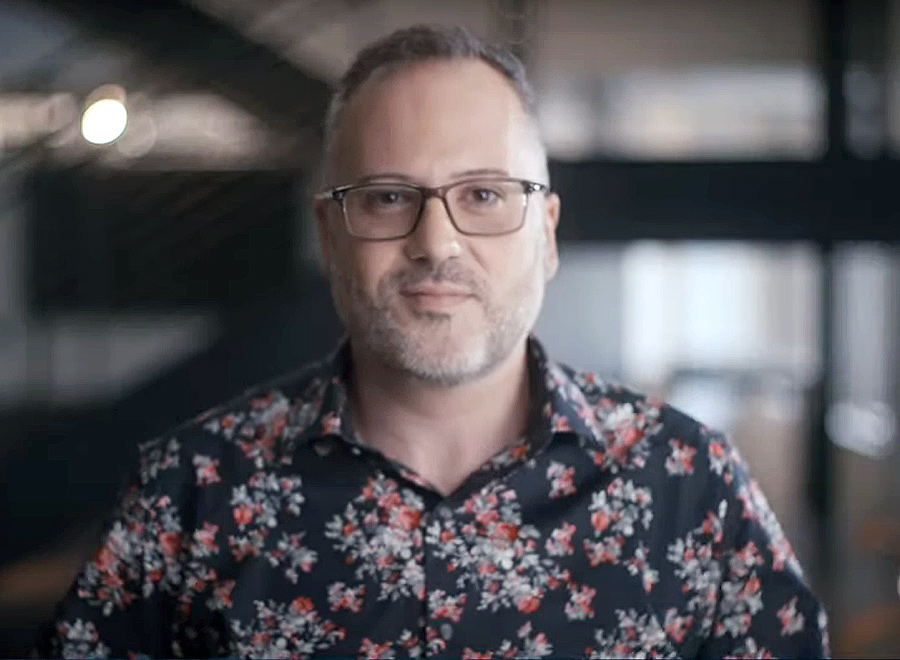
LEGALLY REVIEWED BY BARRY J. GOODMAN
Barry J. Goodman has devoted his professional life to keeping courthouse doors open for victims seeking justice. Always a tireless advocate for his own clients, Goodman sees his responsibility as a Detroit personal injury attorney in a broader sense as well. [ Attorney Bio ]

ABOUT GOODMAN ACKER
Why Choose Us